How Digital Smile Design Is Changing the Veneer Experience
Why It Matters
DSD boosts predictability and patient confidence while preserving tooth structure, giving practices a competitive edge in cosmetic dentistry. The technology translates clinical expertise into reproducible, transparent outcomes that drive higher satisfaction and long‑term case success.
Key Takeaways
- •DSD merges photos, scans, video, and 3D modeling for veneer planning
- •Patients view photorealistic mock-ups before any tooth preparation
- •Digital files give ceramists exact specs, reducing miscommunication
- •Precise planning enables minimally invasive reduction and stronger bonding
- •Integrated workflow shortens treatment time and boosts patient satisfaction
Pulse Analysis
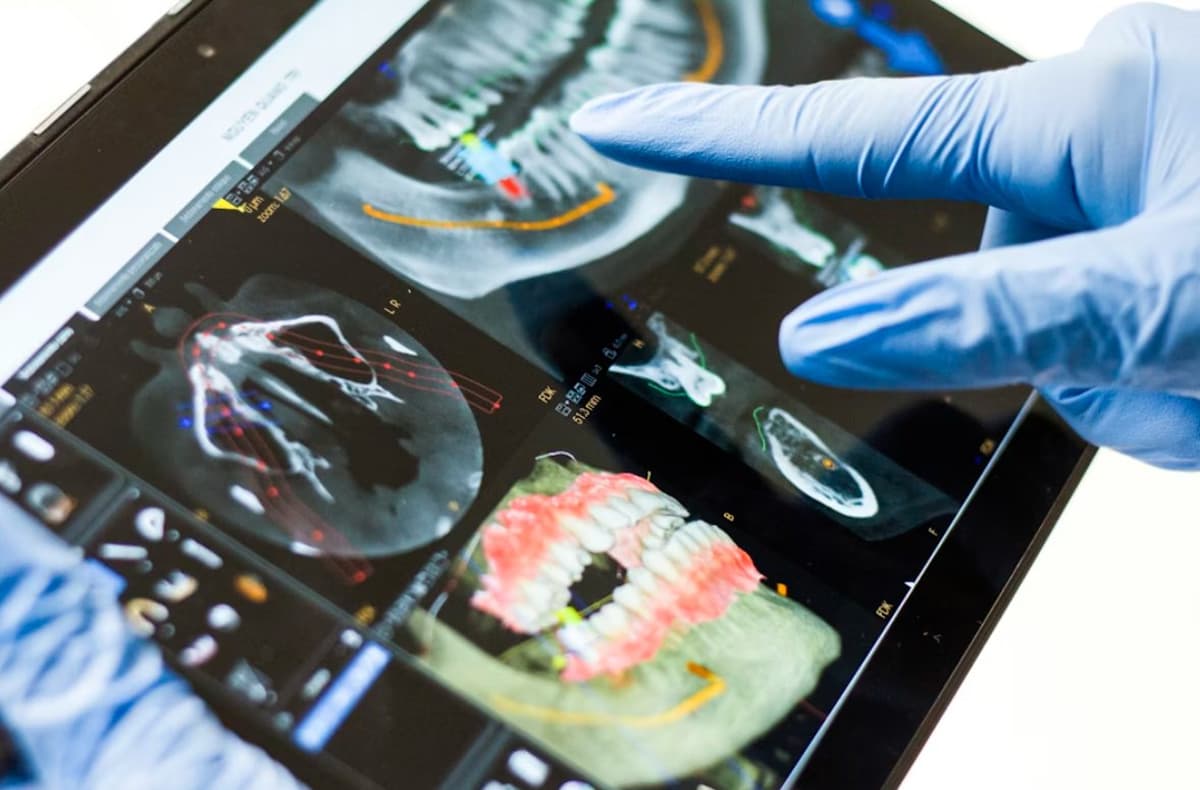
The rise of Digital Smile Design marks a turning point for cosmetic dentistry, moving veneer planning from a subjective art to a quantifiable science. By capturing the patient’s facial dynamics through calibrated photography and video, and pairing those images with intra‑oral scans, DSD creates a virtual model that situates teeth within the broader facial context. This holistic view eliminates the old trial‑and‑error of stone models, ensuring that the final prosthetic harmonizes with lip line, chin, and smile arc before a single millimeter of enamel is altered.
From the patient’s perspective, DSD transforms the consultation into an interactive design session. Photorealistic renderings and temporary composite mock‑ups let individuals experience the proposed smile in real time, fostering informed consent and reducing surprise. Clinicians benefit from precise communication with dental ceramists: 3D files convey exact contours, thicknesses, and characterizations, cutting down on interpretive errors and enabling both traditional layering and CAD/CAM milling. Moreover, the ability to overlay orthodontic adjustments within the same digital platform streamlines multi‑phase treatments, often preserving more natural tooth structure and improving long‑term bonding strength.
For dental practices, adopting DSD is both an investment and a market differentiator. The upfront cost of scanners, software licenses, and training can be substantial, yet practices that integrate the workflow report higher case acceptance rates and shorter turnaround times. The technology also meets growing consumer demand for transparency and personalization, positioning early adopters as leaders in the premium cosmetic segment. As software becomes more user‑friendly and hardware prices decline, DSD is poised to become the new standard of care, reshaping how veneers are marketed, planned, and delivered across the industry.
How Digital Smile Design Is Changing the Veneer Experience
Comments
Want to join the conversation?
Loading comments...