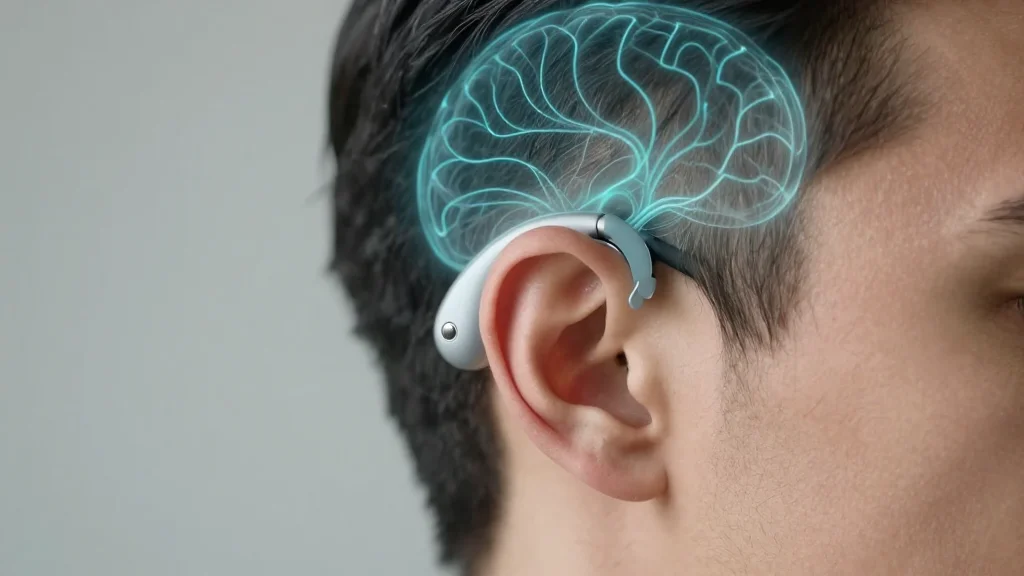
New Research May Lead to Hearing Aids with the Ability to Select One Voice Among Many
Why It Matters
The approach could finally solve the long‑standing cocktail‑party problem, dramatically enhancing speech intelligibility for hearing‑aid users and expanding market adoption. It also opens a new frontier for neuro‑adaptive assistive devices in an aging population.
Key Takeaways
- •Brain‑derived auditory cortex signals identify the speaker a user focuses on
- •Prototype adjusts speaker volume in real time based on neural activity
- •Test subjects reported higher comprehension and lower listening effort
- •Approach works with typical hearing; efficacy for hearing loss remains unproven
- •Solving the “cocktail‑party” problem could expand hearing‑aid market adoption
Pulse Analysis
The "cocktail‑party" effect—our brain’s ability to isolate a single voice amid a noisy crowd—has long been a stumbling block for hearing‑aid and cochlear‑implant users. Conventional devices rely on acoustic algorithms that can suppress background noise but cannot determine which speaker the wearer wants to hear. As a result, many users remove their devices in restaurants, meetings, or social gatherings, limiting the functional benefits of the technology. With the global hearing‑aid market projected to exceed $10 billion by 2030, solving this problem is both a clinical and commercial priority.
Columbia neuroscientist Nima Mesgarani and his team have taken a neuro‑engineering approach. By recording high‑frequency activity from the auditory cortex of epilepsy patients, they identified a neural signature that tracks the listener’s focus. A closed‑loop system then amplified the chosen speaker while attenuating competing streams, driven directly by the brain‑derived signal. In a bedside simulation of a two‑speaker “cocktail party,” participants reported clearer comprehension and reduced listening effort, confirming that real‑time neural decoding can steer a hearing aid’s gain control.
If the technique can be translated to users with sensorineural hearing loss, it could redefine assistive‑listening devices. A brain‑controlled front end would complement emerging AI models that predict speech relevance, offering a hybrid solution that adapts both to neural intent and acoustic context. Challenges remain: non‑invasive recording, algorithm robustness, and regulatory clearance. Nevertheless, investors and manufacturers are watching closely, as a successful implementation would address a pain point for millions of older adults and potentially unlock new revenue streams in a rapidly aging market.
New research may lead to hearing aids with the ability to select one voice among many
Comments
Want to join the conversation?
Loading comments...