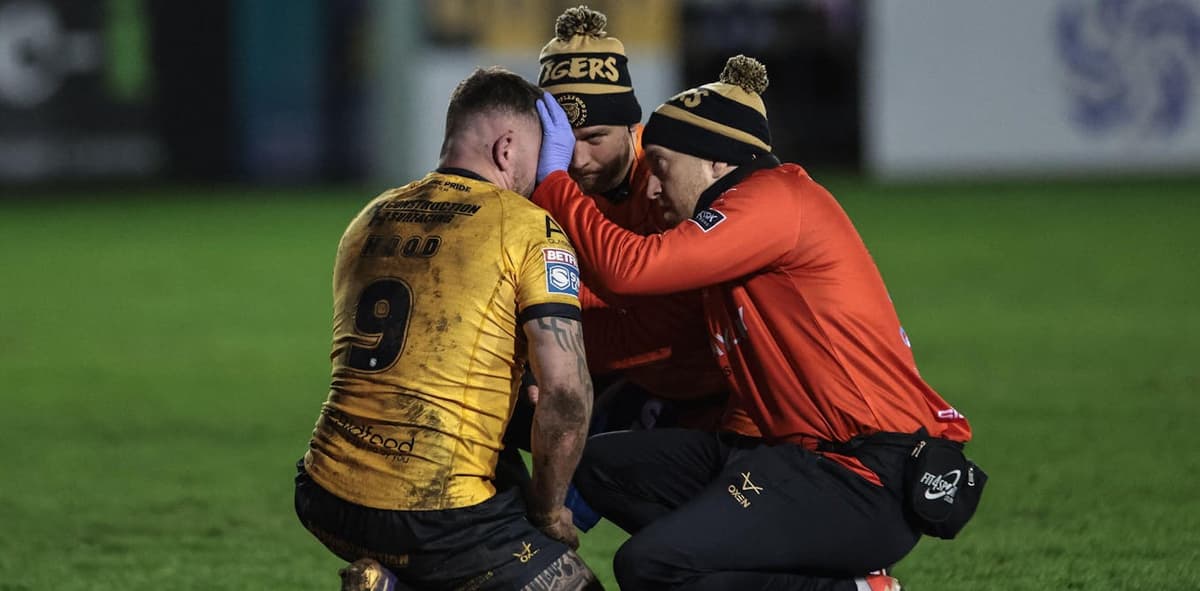
AI Could Revolutionise Concussion Care in Sport – but Risks Remain
Why It Matters
AI‑driven concussion tools could dramatically reduce career‑ending brain injuries while safeguarding athletes’ health, creating a competitive advantage for leagues that adopt reliable, ethical solutions.
Key Takeaways
- •AI can personalize concussion rehab using brain scans and biomarker data
- •Wearable sensors provide real‑time impact data for brain injury mapping
- •Training on male‑only datasets creates gender bias in concussion predictions
- •AI false positives risk premature return‑to‑play decisions
- •Open, auditable models built on diverse data improve safety
Pulse Analysis
The convergence of artificial intelligence and sports medicine is redefining how concussions are identified and treated. Traditional assessments rely on subjective symptom checklists, which often miss subtle brain changes. By feeding high‑resolution MRI, blood‑based biomarkers, and continuous helmet sensor streams into machine‑learning algorithms, clinicians can generate individualized injury maps that pinpoint affected regions and predict recovery timelines. This data‑rich approach not only accelerates diagnosis but also supports evidence‑based decisions about when an athlete can safely resume competition.
Wearable technology and advanced analytics are at the heart of this transformation. Smart helmets and gum‑shield sensors capture acceleration forces, rotational velocity, and impact frequency, translating raw metrics into risk scores that AI models continuously refine. Coupled with longitudinal health records, these scores enable proactive monitoring of cumulative head trauma, a key factor in long‑term neurodegenerative conditions such as Alzheimer’s and Parkinson’s. However, the promise comes with pitfalls: models trained predominantly on male professional players may misclassify injuries in women, youth, or amateur cohorts, and over‑reliance on algorithmic outputs could foster false reassurance, leading to premature returns to play.
To harness AI’s benefits while mitigating its dangers, the sports industry must embed robust governance structures. Transparent, auditable algorithms trained on diverse, representative datasets can reduce bias and build trust among clinicians, athletes, and regulators. Clear data‑ownership policies ensure that personal health information remains under the athlete’s control, limiting commercial exploitation. When integrated responsibly, AI becomes a powerful adjunct to medical expertise, enhancing early detection, tailoring rehabilitation, and ultimately protecting the brain health of athletes across all levels of competition.
AI could revolutionise concussion care in sport – but risks remain
Comments
Want to join the conversation?
Loading comments...