5 Diabetes Tech Gadgets Showing How AI Is Changing Glucose Monitoring

Companies Mentioned
Why It Matters
The convergence of richer sensor data and AI‑driven analytics promises tighter glucose control, reduced complications, and a template for AI adoption across chronic‑disease management.
Key Takeaways
- •Dexcom Stelo becomes first OTC continuous glucose monitor in U.S.
- •Abbott Lingo reaches consumers via Walmart, expanding wearable glucose tracking.
- •Oura Ring integrates Stelo data, merging sleep, activity, and glucose insights.
- •Dexcom G7 15‑day sensor extends wear time, reducing data gaps for AI.
- •Automated insulin delivery systems use AI to adjust dosing in near real‑time.
Pulse Analysis
Diabetes generates a relentless stream of physiological data, making it an ideal proving ground for artificial intelligence in medicine. Continuous glucose monitors capture minute‑by‑minute fluctuations driven by meals, exercise, stress, and medication, creating a high‑resolution dataset that traditional episodic testing cannot match. AI algorithms thrive on such granular inputs, turning raw numbers into predictive insights that anticipate hyper‑ or hypoglycemic events before they occur. This shift from reactive to proactive care mirrors broader trends in digital health, where real‑time analytics are becoming central to disease management strategies.
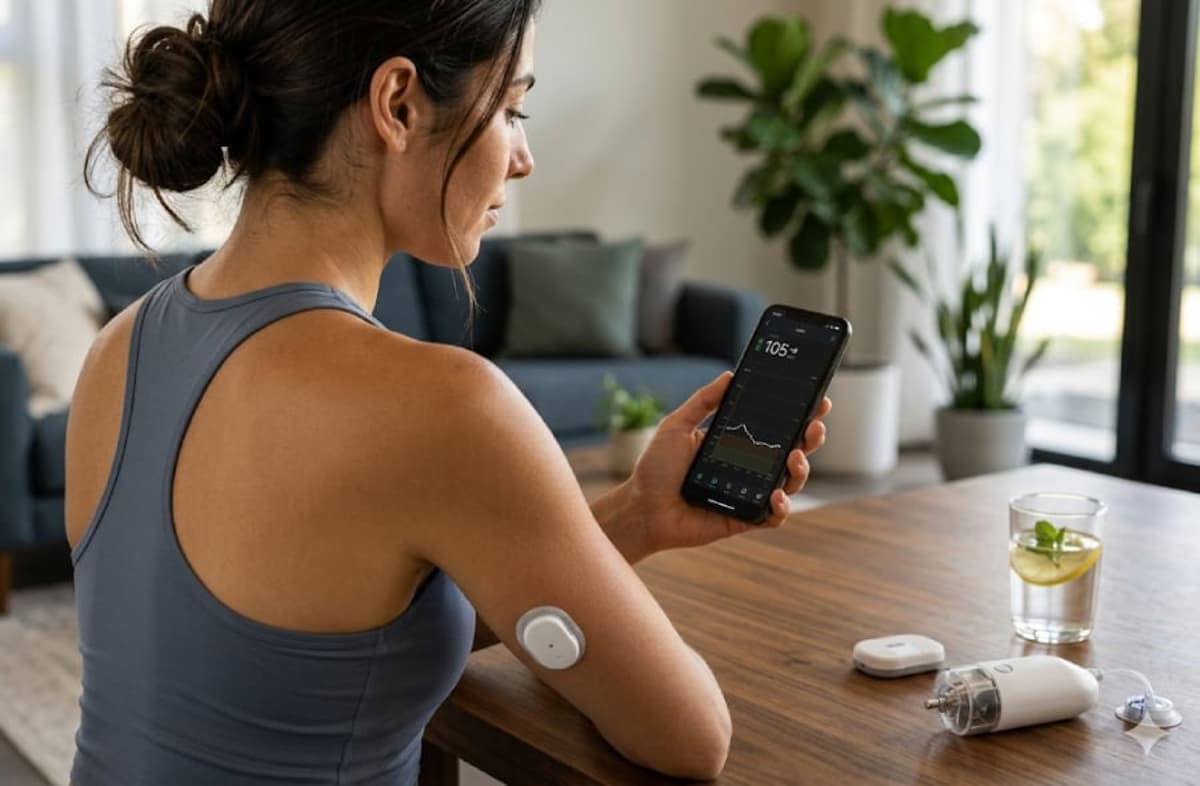
The latest consumer‑focused devices illustrate how the market is democratizing access to this data. Dexcom’s Stelo, cleared for over‑the‑counter sale, expands the pool of users generating continuous glucose streams, while Abbott’s Lingo places metabolic tracking alongside fitness wearables in mainstream retail. Integration efforts, such as Oura Ring’s partnership with Stelo, fuse glucose readings with sleep, activity, and stress metrics, allowing AI to identify multi‑dimensional patterns. However, more data does not automatically translate to better outcomes; designers must balance insight with user‑friendly guidance to avoid information overload and anxiety.
Beyond diabetes, the ecosystem of sensors, apps, and closed‑loop insulin pumps signals a blueprint for AI‑enabled chronic‑care platforms. Reliable, uninterrupted data—exemplified by the Dexcom G7’s 15‑day wear time—feeds predictive models that can trigger automated therapeutic actions, as seen in MiniMed 780G and Tandem’s Control‑IQ systems. Regulatory scrutiny remains high, especially for devices that deliver medication autonomously, underscoring the need for transparent algorithms and robust safety nets. As AI matures, trustworthy analytics will be the linchpin that turns abundant health data into actionable, patient‑centric care across the healthcare continuum.
5 Diabetes Tech Gadgets Showing How AI Is Changing Glucose Monitoring
Comments
Want to join the conversation?
Loading comments...