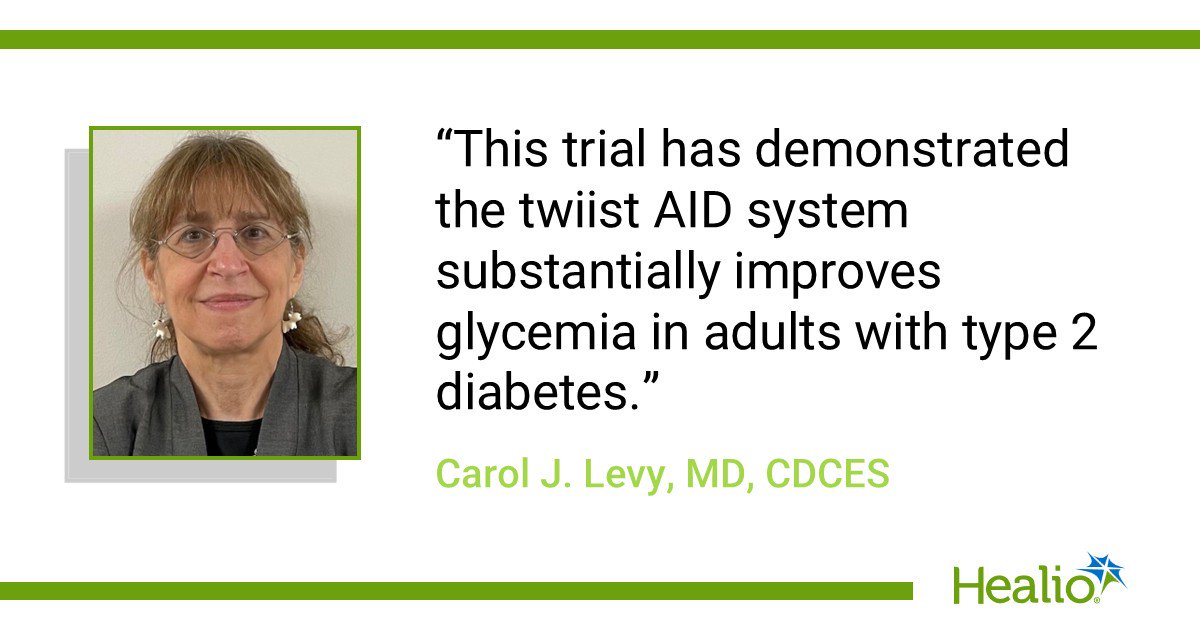
Artificial Pancreas Lowers HbA1c in Patients with Type 2 Diabetes
Why It Matters
The results demonstrate that AID technology, previously limited to type 1 diabetes, can meaningfully improve glycemic control in type 2 patients, opening a new market segment for manufacturers and offering clinicians a tool to meet tighter ADA targets.
Key Takeaways
- •twiist AID cut HbA1c from 8.1% to 7.4% in 13 weeks
- •Time‑in‑range increased 16 points, reaching 73% of readings
- •95% median usage time; 93% participants completed study
- •No severe hypoglycemia; only one ketoacidosis case reported
Pulse Analysis
Automated insulin delivery (AID) systems have reshaped type 1 diabetes management since the FDA cleared the first devices in 2024. By integrating a DEKA pump, Freestyle Libre 3+ sensor and the twiist Loop algorithm, the twiist platform extends that technology to insulin‑treated type 2 patients, a population that traditionally relies on multiple daily injections and adjunctive agents. The shift reflects broader industry trends toward closed‑loop solutions that reduce clinician burden and improve patient adherence.
The New Orleans study enrolled 307 adults with a mean age of 58, half of whom were women and 44 % represented historically under‑served groups. Over 13 weeks, mean HbA1c fell from 8.1 % to 7.4 % and time‑in‑range climbed from 57 % to 73 %, with the greatest gains among those starting with the highest HbA1c. Safety signals were reassuring: no severe hypoglycemia, a single ketoacidosis episode, and 14 unrelated serious adverse events. High device utilization—median 95 % in AID mode—underscores user acceptance, while satisfaction and sleep‑quality scores improved markedly.
For manufacturers, the data unlocks a sizable, untapped market. Type 2 diabetes accounts for roughly 90 % of U.S. diabetes cases, representing billions in annual insulin spend. Demonstrated efficacy in this cohort could accelerate payer coverage, spur competitive algorithm development, and stimulate integration with digital health platforms. Clinicians, meanwhile, gain a tool to achieve tighter glycemic targets without escalating hypoglycemia risk, aligning with evolving ADA guidelines. Continued real‑world studies will be critical to validate durability, cost‑effectiveness, and broader health‑system impact.
Artificial pancreas lowers HbA1c in patients with type 2 diabetes
Comments
Want to join the conversation?
Loading comments...