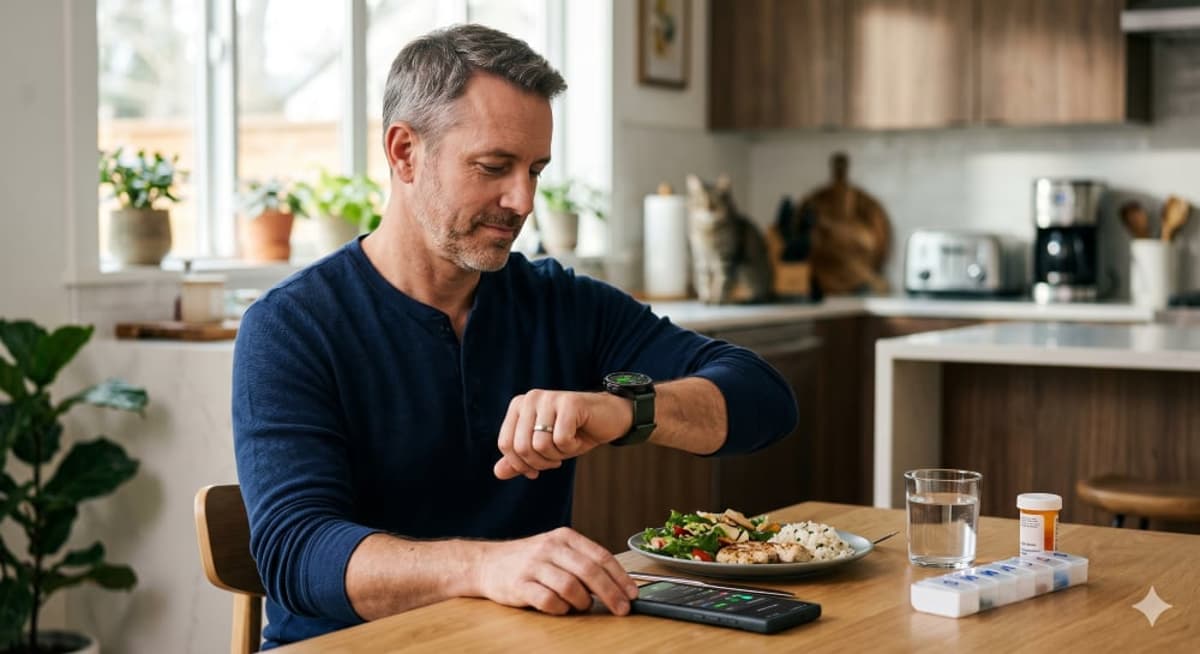
Samsung Galaxy Watch for Diabetes Management: What It Can Track and What It Can’t
Companies Mentioned
Why It Matters
By consolidating multiple health metrics around glucose readings, the Galaxy Watch enables diabetics to identify lifestyle drivers of blood‑sugar swings without extra apps, potentially improving self‑management and clinical discussions. Its upcoming non‑invasive sensor could shift wearables toward true continuous glucose monitoring.
Key Takeaways
- •Galaxy Watch 4+ supports glucose tracking via CGM or manual entry.
- •Integrated medication, food, sleep, and stress logs contextualize blood sugar trends.
- •Watch adds blood pressure, heart rate, and activity data for cardiovascular insight.
- •Samsung plans non‑invasive optical glucose sensor, no launch date yet.
Pulse Analysis
Wearable technology has become a cornerstone of chronic‑disease management, and Samsung is positioning its Galaxy Watch as a hub for diabetes care. Unlike single‑purpose glucose meters, the watch syncs with Samsung Health to pull data from CGM partners or manual logs, then layers that information with medication schedules, nutrition entries, and sleep patterns. This holistic view lets users correlate spikes or drops with concrete daily actions, turning scattered numbers into actionable insights that can be shared with clinicians during appointments.
Beyond glucose, the Galaxy Watch captures heart‑rate trends, blood‑pressure readings (after cuff calibration), and detailed activity logs, addressing the well‑documented link between cardiovascular health and diabetes. Stress alerts and sleep‑quality metrics add further context, highlighting how physiological stressors and circadian disruptions may amplify glycemic variability. By centralizing these signals, the device reduces the cognitive load of remembering disparate health events, fostering more disciplined self‑monitoring and potentially lowering the risk of complications.
Looking ahead, Samsung’s announced research into a non‑invasive optical glucose sensor could redefine the market if accuracy rivals traditional CGMs. Coupled with AI‑driven nutrition coaching, the ecosystem aims to shift from reactive tracking to predictive health guidance. While regulatory approval and clinical validation remain hurdles, the company’s incremental feature rollout demonstrates a strategic bet on data integration as a differentiator in the crowded wearable space, offering diabetics a more comprehensive, user‑friendly toolkit for daily management.
Samsung Galaxy Watch for Diabetes Management: What It Can Track and What It Can’t
Comments
Want to join the conversation?
Loading comments...