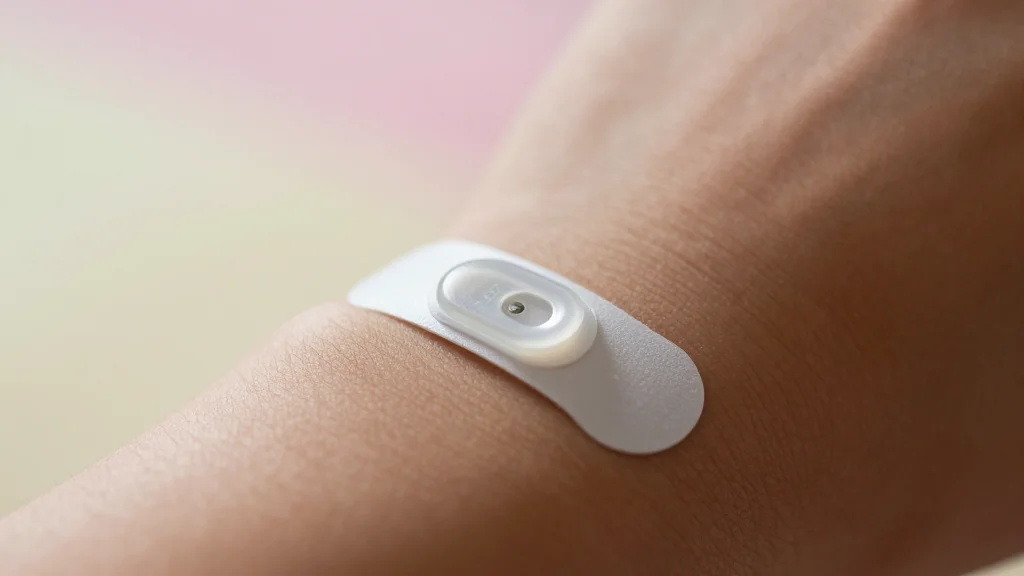
82% of Adults with Type 2 Diabetes Not on Insulin Improve Blood Glucose Levels with Continuous Glucose Monitoring
Companies Mentioned

American Diabetes Association
Dexcom
DXCM
Why It Matters
The findings demonstrate that CGM can close a care gap in primary‑care management of non‑insulin‑treated type 2 diabetes, potentially lowering long‑term complications and expanding reimbursement opportunities.
Key Takeaways
- •CGM cut A1C by 0.9% more than standard care.
- •Participants logged five extra target‑range hours daily.
- •Study included 283 adults, 32% minorities, across 22 clinics.
- •CGM users reported higher satisfaction and lower diabetes distress.
- •Six‑month extension will assess durability of CGM benefits.
Pulse Analysis
Continuous glucose monitoring has become a cornerstone for insulin‑treated diabetes, with multiple trials linking real‑time glucose data to lower A1C and fewer hypoglycemic events. Yet clinicians have hesitated to prescribe CGM for the majority of type 2 patients who manage their disease with oral agents, citing limited evidence and cost concerns. The American Diabetes Association’s 2026 Scientific Sessions provided a platform to address this uncertainty, showcasing the CONNECT trial—one of the first large‑scale, randomized investigations focused exclusively on non‑insulin‑treated adults.
The CONNECT study enrolled 283 adults with a mean age of 60 and baseline A1C of 8.8 % across 22 U.S. primary‑care practices. Participants were randomized to Dexcom G7 CGM or standard finger‑stick monitoring for 26 weeks. CGM users achieved a 0.9‑percentage‑point greater reduction in A1C, spent five additional hours per day within the 70‑180 mg/dL target range, and reported higher satisfaction scores. These outcomes were consistent across racial and ethnic subgroups, suggesting that CGM benefits are broadly applicable in community settings.
By demonstrating measurable glycemic improvements without insulin, the trial positions CGM as a viable tool for primary‑care physicians seeking to intensify therapy earlier. Payers may soon consider broader coverage, especially as the six‑month extension evaluates durability of effect through a full year. For patients, real‑time glucose feedback can reduce diabetes‑related distress and empower lifestyle adjustments. As the evidence base expands, CGM could reshape treatment algorithms, driving a shift from episodic finger‑stick checks to continuous data‑driven care for the majority of type 2 diabetes population.
82% of Adults with Type 2 Diabetes Not on Insulin Improve Blood Glucose Levels with Continuous Glucose Monitoring
Comments
Want to join the conversation?
Loading comments...