Bringing Digital Innovation From Lab to Life in Cardiology
Why It Matters
The alliance fast‑tracks the translation of AI and connected‑health technologies into cardiac care, strengthening Europe’s position in medical‑device innovation and improving outcomes for heart patients worldwide.
Key Takeaways
- •BIOTRONIK partners with Charité and German Heart Center Foundation
- •Collaboration targets AI-driven tools for device-based cardiac therapies
- •Endowed professorship created to train next-gen digital cardiology experts
- •Joint projects span from ideation to contract research
- •Initiative aims to position Berlin as European cardiovascular innovation hub
Pulse Analysis
The convergence of artificial intelligence, telemonitoring and implantable cardiac devices is reshaping how heart disease is diagnosed and treated. In Europe, where regulatory pathways and public funding often lag behind the United States, the new partnership between BIOTRONIK, one of the world’s leading cardiac‑device manufacturers, and the Charité – Universitätsmedizin Berlin, a premier academic heart center, signals a strategic push to close that gap. By aligning commercial R&D with academic clinical expertise, the collaboration creates a pipeline that can move digital innovations from laboratory prototypes to bedside applications more efficiently than traditional models.
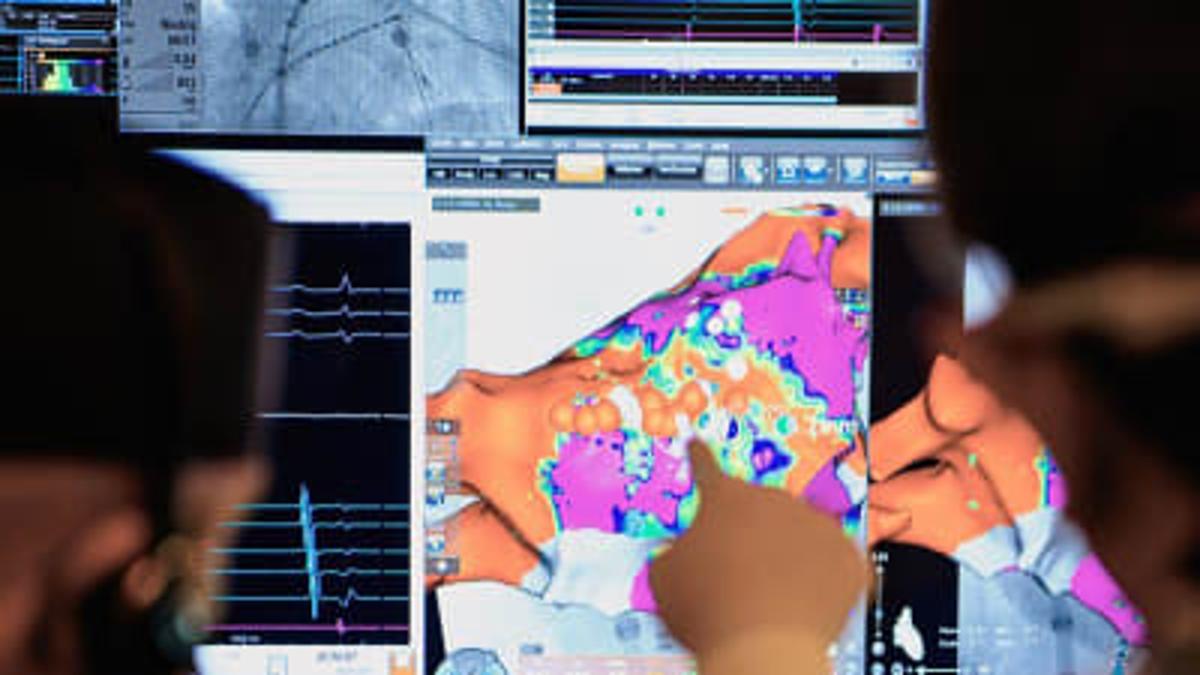
The first wave of projects will focus on AI‑driven decision support tools and high‑fidelity simulation platforms that model electrical activity and hemodynamics in three dimensions. Such environments enable clinicians to test device settings, predict arrhythmia risk, and personalize therapy without exposing patients to trial‑and‑error procedures. By integrating BIOTRONIK’s connected‑health infrastructure, real‑time telemetry from implanted devices can feed back into the algorithms, creating a closed loop of continuous learning. This approach promises faster adoption of next‑generation pacemakers and defibrillators while reducing complications and hospital readmissions.
Beyond the immediate clinical benefits, the partnership includes funding for an endowed professorship in Digital and Translational Cardiology, ensuring a pipeline of researchers skilled in both medicine and data science. Berlin’s emerging reputation as a hub for biotech and med‑tech startups will be reinforced, attracting talent and investment from across the continent. As other global players race to embed AI into cardiac care, Europe’s coordinated academic‑industry model could set a benchmark for rapid, responsible innovation, ultimately shaping standards for digital heart health worldwide.
Bringing Digital Innovation from Lab to Life in Cardiology
Comments
Want to join the conversation?
Loading comments...