How Modern Dental Practices Are Using Technology to Improve Preventive Care and Patient Outcomes
Why It Matters
Earlier detection lowers treatment complexity and costs while improving patient health, positioning technology‑enabled practices as leaders in value‑based oral care.
Key Takeaways
- •CBCT brings 3‑D imaging to general dentistry.
- •Intraoral cameras boost patient understanding and case acceptance.
- •AI radiograph analysis matches experienced clinicians for early lesions.
- •Digital periodontal charts link oral health to systemic risk.
- •Automated communication platforms raise recall compliance and preventive outcomes.
Pulse Analysis
The diffusion of advanced imaging technologies has reshaped routine dentistry. While traditional two‑dimensional X‑rays remain common, cone beam computed tomography (CBCT) is increasingly affordable for community practices, delivering three‑dimensional views with radiation levels comparable to digital radiography. This capability uncovers early periodontal bone loss, hidden root anomalies, and nascent cysts that would otherwise remain invisible, allowing clinicians to intervene before extensive reconstruction is required. The shift mirrors broader health‑care trends toward precision diagnostics, where richer data translates directly into cost‑effective, patient‑centered treatment plans.
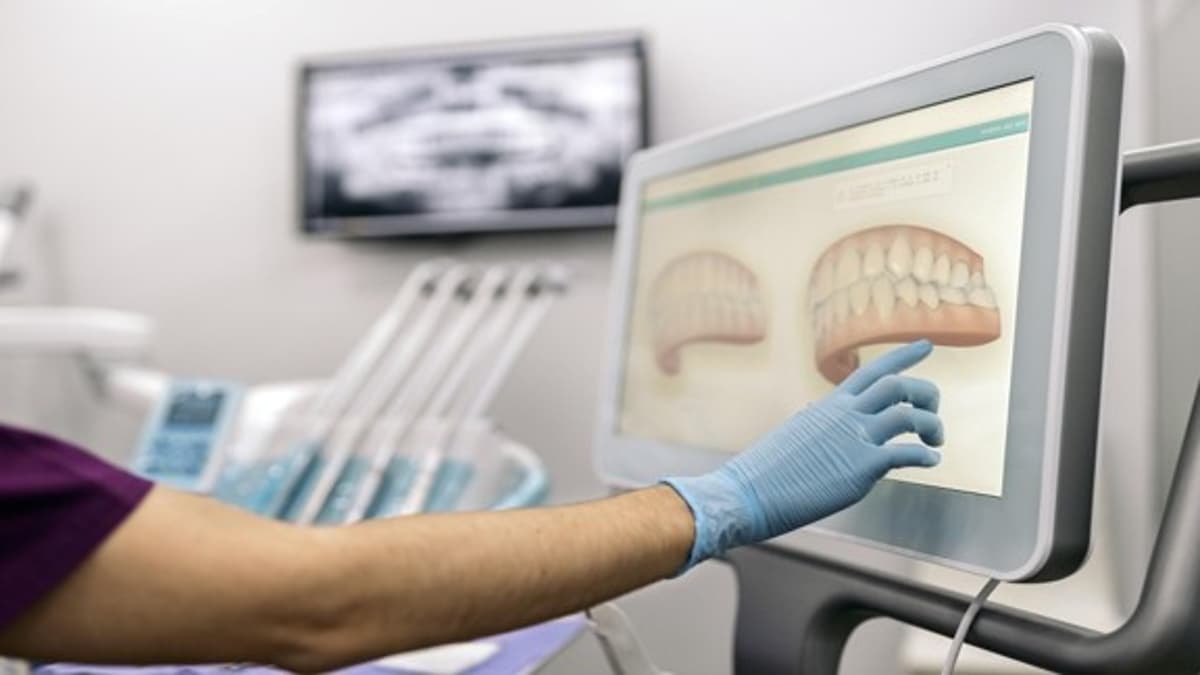
Artificial intelligence is moving from research labs into the operatory. AI platforms trained on millions of dental radiographs now highlight interproximal decay, calculus deposits, and periapical lesions with sensitivity and specificity on par with seasoned specialists. By standardizing interpretation, AI reduces intra‑operator variability and flags subtle early lesions that may escape the human eye. Coupled with intraoral cameras that project high‑resolution images onto chairside monitors, patients gain a visual understanding of their condition, which research shows dramatically increases acceptance of preventive procedures such as remineralization or minimally invasive restorations.
Beyond diagnostics, digital workflow tools are closing the compliance gap that often undermines preventive success. Automated patient communication platforms segment individuals by risk level, delivering tailored educational content and timely appointment reminders. When integrated with digital periodontal charting that tracks probing depths and bleeding over successive visits, these systems enable dentists to coordinate care with primary physicians, reinforcing the link between oral and systemic health. The cumulative effect is a practice model that not only detects disease earlier but also sustains patient engagement, driving higher recall rates and ultimately delivering better health outcomes while enhancing practice profitability.
How Modern Dental Practices Are Using Technology to Improve Preventive Care and Patient Outcomes
Comments
Want to join the conversation?
Loading comments...