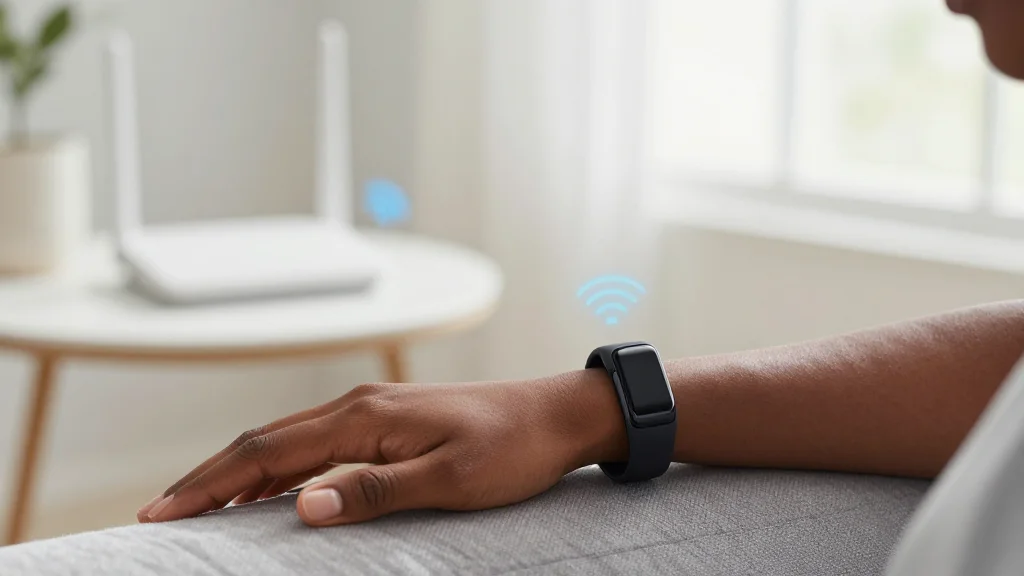
Remote Health Monitoring: Health Equity Equalizer or False Prophet?
Why It Matters
If digital health is to reduce disparities, providers must embed equity into technology, infrastructure, and workflow; otherwise, remote monitoring risks widening the very gaps it aims to close.
Key Takeaways
- •Remote monitoring adoption lags in Black and brown communities due to mistrust
- •Broadband gaps and device scarcity create digital deserts mirroring food deserts
- •AI health tools risk bias without diverse testing across skin tones
- •Embedding digital literacy metrics into EMRs treats access as a social determinant
- •Equity-focused RPM cuts readmissions, lowers ED visits, and boosts staff morale
Pulse Analysis
The pandemic accelerated telehealth, patient portals, and remote patient monitoring (RPM), positioning digital health as a potential equalizer for underserved populations. Yet the reality is more complex: rural areas and low‑income neighborhoods often lack reliable broadband, affordable data plans, and modern devices—creating "digital deserts" that mirror traditional food deserts. Without these fundamentals, patients cannot engage with RPM platforms, limiting the reach of continuous monitoring and early‑intervention alerts that could otherwise prevent complications.
Beyond connectivity, cultural trust and algorithmic fairness shape adoption. Historical mistreatment has fostered deep skepticism toward new medical technologies among Black and brown communities, dampening RPM uptake. Simultaneously, many AI‑driven health sensors are calibrated on limited demographic data, leading to inaccurate readings for darker skin tones or older adults. When biased data inform clinical decisions, they reinforce inequities rather than mitigate them. Embedding digital literacy scores into electronic health records and involving community health workers can surface these gaps early, allowing clinicians to tailor outreach and education.
When equity is built into the design, RPM delivers measurable returns. Studies show that patients with reliable remote monitoring experience fewer emergency department visits and readmissions, translating into cost avoidance for health systems. Moreover, staff report higher satisfaction when technology streamlines workflows rather than adds friction. To capture both financial and societal ROI, health organizations must treat digital access as a core social determinant, invest in broadband infrastructure, and continuously audit AI tools for bias. Only with such intentional strategies can remote health monitoring become a true health‑equity equalizer.
Remote Health Monitoring: Health Equity Equalizer or False Prophet?
Comments
Want to join the conversation?
Loading comments...