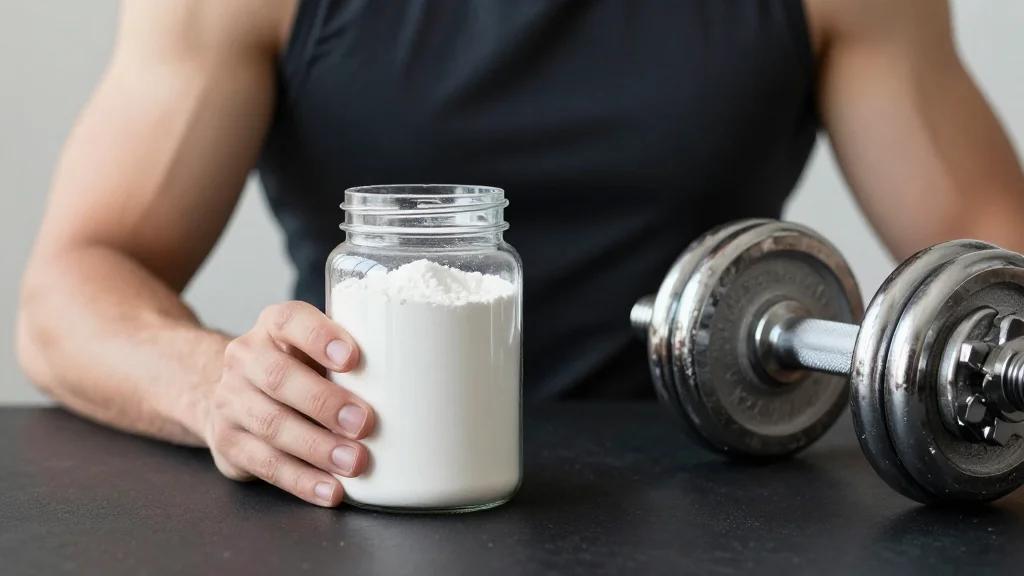
Creatine Boosts Exercise Performance by Up to 10%, Study Finds

Why It Matters
The confirmation that creatine can reliably boost performance by up to 10% gives athletes a quantifiable tool to enhance training outcomes, potentially narrowing the gap between amateur and elite results. Moreover, the study’s safety discussion underscores the need for personalized supplementation strategies, prompting coaches and health professionals to incorporate medical screening into supplement recommendations. In the broader fitness industry, the findings could shift product development toward more transparent dosing guidelines and encourage brands to invest in research that validates efficacy claims. As consumers become increasingly data‑savvy, evidence‑based supplements like creatine may set a new standard for credibility in a market often saturated with unverified products.
Key Takeaways
- •Study in *Nutrients* shows creatine improves strength and power by 5‑10%
- •Mechanism: increased phosphocreatine stores boost ATP availability
- •Recommended daily dose: 3‑5 grams to minimize side effects
- •Potential downsides include water retention and mild GI discomfort
- •Findings may drive new marketing claims and training protocols
Pulse Analysis
Creatine’s resurgence in the spotlight reflects a broader trend toward evidence‑based supplementation in the fitness sector. Over the past decade, the market has been flooded with novel compounds promising dramatic gains, many of which lack robust clinical backing. By contrast, creatine’s extensive research pedigree offers a rare anchor of scientific certainty, allowing brands to differentiate themselves through transparency rather than hype.
Historically, creatine adoption surged in the early 2000s, plateaued, and then faced skepticism amid concerns about renal health. The latest study re‑establishes its performance credentials while reaffirming safety for healthy individuals, effectively resetting the narrative. This could catalyze a shift where coaches prioritize proven ergogenic aids over experimental nootropics, especially as competition intensifies in strength sports and esports where marginal gains matter.
Looking forward, the industry may see a wave of formulation innovations—such as micronized or buffered creatine variants—aimed at reducing the minor side effects highlighted in the report. Simultaneously, regulatory bodies might tighten labeling requirements to ensure consumers are aware of contraindications. For athletes, the key takeaway is clear: a modest, daily dose of creatine remains one of the most cost‑effective ways to enhance high‑intensity performance, provided it is used responsibly and under professional guidance.
Creatine Boosts Exercise Performance by Up to 10%, Study Finds
Comments
Want to join the conversation?
Loading comments...