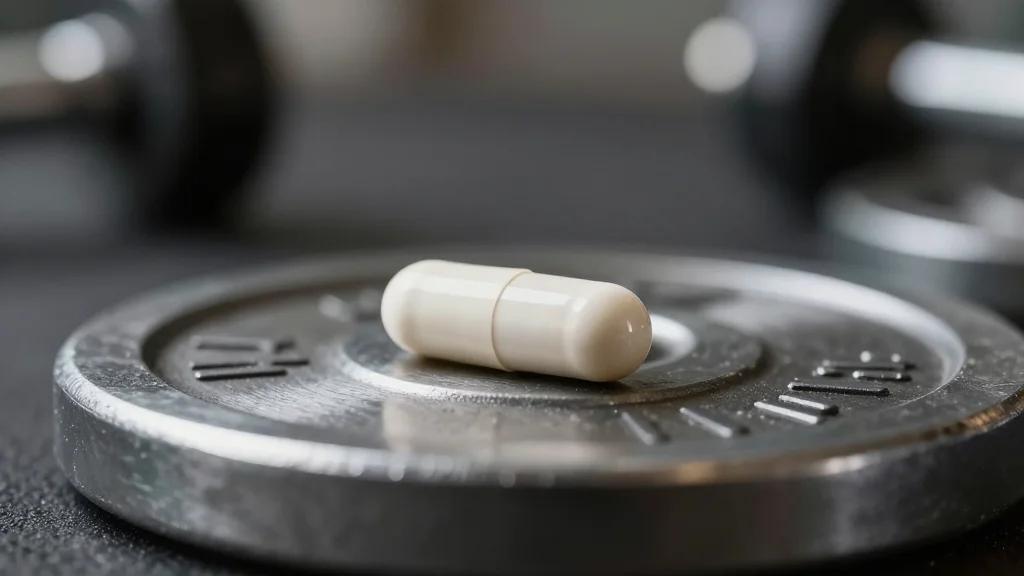
Study Finds Rapamycin May Undermine Exercise Gains in Older Adults

Why It Matters
The study challenges a core assumption in the biohacking ecosystem: that pharmacological mTOR inhibition can be safely combined with exercise to amplify health‑span gains. If rapamycin indeed blunts muscle adaptation, users may experience accelerated sarcopenia, undermining independence and quality of life in older age. Moreover, the research underscores the need for rigorous human data before scaling off‑label drug regimens that have only been validated in short‑lived model organisms. Beyond individual health, the findings could influence regulatory scrutiny and insurance coverage decisions as more people self‑prescribe rapamycin. A clearer understanding of drug‑exercise interactions will be essential for developing safe, evidence‑based longevity protocols that integrate lifestyle and pharmacology.
Key Takeaways
- •Older adults on weekly 1 mg rapamycin gained ~12% less grip strength than placebo during a 12‑week resistance program.
- •Participants on rapamycin reported higher rates of aches, fatigue, and one serious infection.
- •Rapamycin inhibits mTOR, a pathway crucial for muscle protein synthesis post‑exercise.
- •Biohacking forums report thousands of off‑label rapamycin users seeking lifespan extension.
- •Researchers plan a larger 100‑person trial with muscle biopsies to clarify mechanisms.
Pulse Analysis
The rapamycin‑exercise study arrives at a pivotal moment when the longevity market is shifting from speculative animal data to human‑centric interventions. Historically, mTOR inhibitors were celebrated for extending rodent lifespans, but the translational gap has always been the balance between metabolic benefits and immunosuppression. This trial suggests that the balance may tip unfavorably when the drug interferes with exercise‑driven anabolic signaling, a cornerstone of functional aging.
From a market perspective, the result could temper the rapid growth of niche supplement companies that bundle rapamycin with fitness programs. Investors may demand more robust clinical evidence before backing startups that promise synergistic anti‑aging stacks. At the same time, the data could spark a new niche: timing‑optimized regimens that separate rapamycin dosing from training days, akin to periodization strategies used in elite sports. Such protocols would require sophisticated monitoring, potentially opening opportunities for digital health platforms that track mTOR activity biomarkers.
Looking ahead, the upcoming larger trial will be a litmus test for whether rapamycin can find a safe role in human longevity strategies. If the follow‑up confirms the blunted muscle response, the biohacking community may pivot toward alternative pathways—such as NAD+ precursors or senolytics—that do not compromise exercise adaptations. Conversely, if timing or dosage adjustments restore the synergy, rapamycin could cement its place as a cornerstone of next‑generation health‑span therapeutics. Either outcome will reshape how clinicians, investors, and DIY scientists approach the integration of pharmacology with lifestyle interventions.
Study Finds Rapamycin May Undermine Exercise Gains in Older Adults
Comments
Want to join the conversation?
Loading comments...