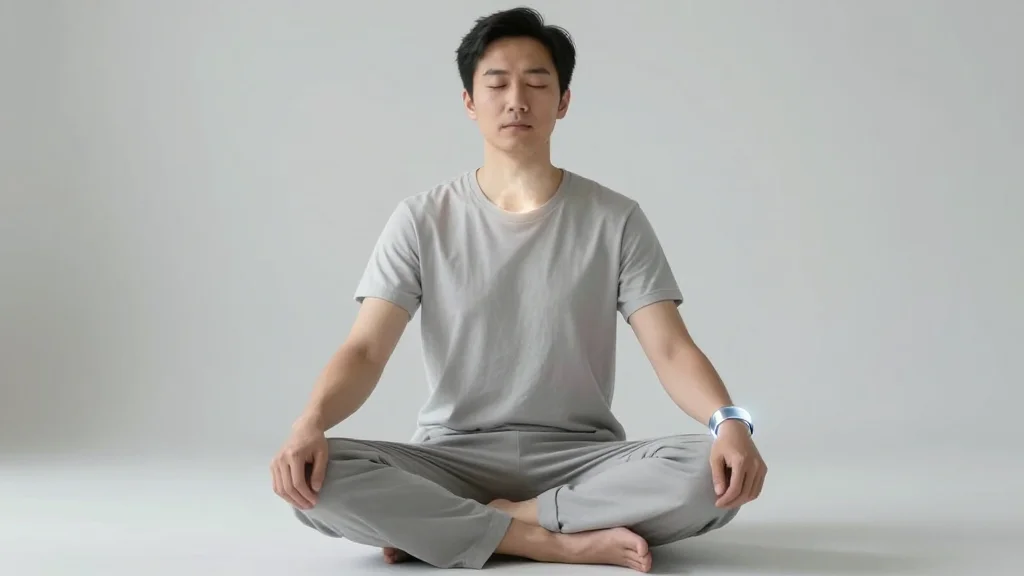
Jinesha Jain Says a One‑Minute Humming Breath Can End High‑Performers’ Mental Overdrive

Why It Matters
Jinesha Jain’s focus on a one‑minute humming breath highlights a shift in corporate wellness from long‑form meditation to bite‑size, evidence‑linked interventions. If adopted widely, the practice could reduce burnout rates, improve decision quality, and lower healthcare costs associated with chronic stress. Moreover, it signals a broader market opportunity for tech platforms to embed breathwork analytics into productivity suites, potentially reshaping how organizations measure and support mental resilience. The conversation also raises questions about the balance between quick fixes and deeper, sustained mindfulness training. While Bhramari Pranayama may offer immediate relief, critics warn that without a broader habit of reflection, high‑performers might revert to old patterns. The debate will likely influence how HR departments design mental‑health curricula and allocate resources between short‑term tools and long‑term cultural change.
Key Takeaways
- •Jinesha Jain identifies "mental overdrive" as a hidden performance blocker for high achievers.
- •She promotes Bhramari Pranayama, a humming breath technique, as a one‑minute reset that activates the parasympathetic nervous system.
- •Jain, a real‑estate entrepreneur with multiple income streams before age 30, shared her insights in Austin on April 20, 2026.
- •The practice aims to shift users from reactive to intentional decision‑making under pressure.
- •Upcoming workshops in June 2026 will target tech CEOs and corporate leaders.
Pulse Analysis
Jinesha Jain’s advocacy for a rapid breath technique arrives at a moment when corporate wellness budgets are under scrutiny. Traditional meditation programs often suffer from low adoption rates because they demand sustained time commitments that clash with the ‘always‑on’ ethos of high‑performing teams. By offering a physiological lever that can be engaged in under a minute, Jain taps into a pragmatic mindset: measurable, immediate outcomes trump abstract promises.
Historically, mindfulness entered the boardroom via eight‑week courses and mindfulness‑based stress reduction (MBSR) programs. Those models, while effective, struggled to scale across global workforces. The rise of micro‑interventions—short, evidence‑based practices embedded in daily workflows—represents an evolutionary step. Jain’s Bhramari approach aligns with this trend, positioning breathwork as a low‑friction habit that can be gamified, tracked, and integrated into existing productivity tools. If tech platforms adopt biometric feedback loops (e.g., heart‑rate variability) to validate the technique’s impact, we could see a new category of “bio‑feedback productivity” solutions.
However, the efficacy of a single breath practice must be weighed against the risk of superficial adoption. Companies might tout a one‑minute reset as a cure‑all, neglecting deeper cultural reforms needed to address chronic stressors such as unrealistic workloads and ambiguous expectations. The real test will be whether organizations pair Jain’s technique with systemic changes—clear communication channels, realistic performance metrics, and leadership modeling of pause. In the short term, the buzz around Bhramari could drive a wave of pilot programs, but sustainable impact will hinge on integrating the practice into a broader, intentional wellness strategy.
Jinesha Jain Says a One‑Minute Humming Breath Can End High‑Performers’ Mental Overdrive
Comments
Want to join the conversation?
Loading comments...