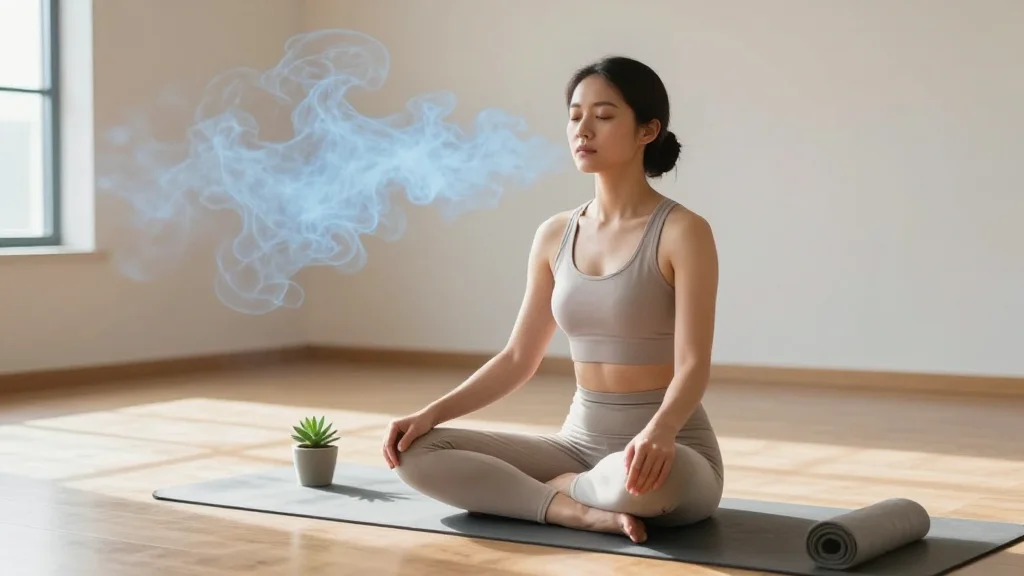
Why Many Yoga Teachers Are Becoming Breathing Instructors
Yoga instructors are increasingly adding functional breathing expertise to their repertoire as they recognize gaps in traditional teacher‑training curricula. A 70% survey of Oxygen Advantage‑certified teachers shows most received little scientific instruction on respiration. After completing the 18‑module Oxygen Advantage Breathing for Yoga program, 78% report substantive changes to their cueing and class structure, and 20% have launched new revenue‑generating breathwork offerings. The shift blends ancient pranayama wisdom with modern biochemistry, biomechanics, and psychophysiology to enhance student outcomes.
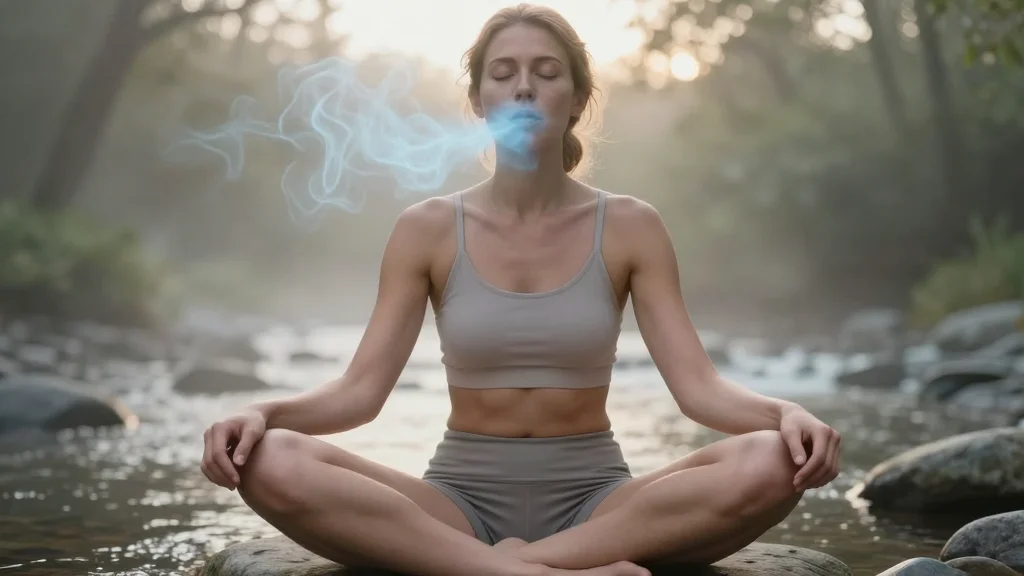
Good Practices Deserve Good Explanations
Dr Ranulf Crooke’s article separates the hype around breathwork from the science, focusing on three popular claims—CO₂ tolerance, chronic over‑breathing, and nasal breathing. He argues that many practices deliver real benefits, yet the physiological explanations often outpace the evidence. By highlighting the...

Visual Journaling for Mental Health: Creativity as a Coping Tool
Visual journaling blends art, memory, and reflection into a low‑pressure therapeutic practice. By arranging photos, tickets, colors, and other tactile items, users shift focus from racing thoughts to sensory engagement, which calms the nervous system. The method supports emotional processing...

How Breathing Shapes Sleep, Stress, Performance, & Longevity | Patrick McKeown
In the Ready State Podcast, breathing specialist Patrick McKeown explains how the 20,000 daily breaths we take shape sleep quality, stress levels, athletic performance, and long‑term health. He reveals that most people chronically over‑breathe, reducing CO₂ tolerance and impairing the nervous...
The 5 Minute Reset That Stops Mental Spirals Early
The article introduces a five‑minute reset designed to halt mental spirals before they intensify. By briefly changing environment, eliminating digital input, and slowing breathing, the technique creates a physiological pause that reduces nervous system activation. Practitioners who apply the steps...

You’re Resting, But Your Nervous System Isn’t
The post explains that many people mistake passive activities for true rest, when their nervous system remains on high alert. It highlights how lingering muscle tension, racing thoughts, and a lack of safety signals prevent genuine recovery. The author argues...

Practice Method, Not Results. METHOD NOT RESULTS.
The post argues that meditation success hinges on adhering to disciplined methods rather than chasing specific outcomes. Citing Ken McLeod, the author warns that fixating on an "after picture"—tranquility, insight, or mystical powers—leads practitioners astray. By dissecting non‑dual, heart‑centered, and concentration...

How Journaling Clears Emotional Clutter in the Brain
The post explains how journaling acts as mental housekeeping, helping the brain sort, store, and release trapped thoughts. By externalizing emotions, journaling reduces cognitive load, lowers stress hormones, and improves focus. The author suggests a simple five‑minute daily practice, linking...

When Observation Becomes Another Self
The article explores how the practice of observing thoughts—common in mindfulness and therapy—can unintentionally create a new ego identity. While observation offers a useful gap that prevents reactive behavior, the mind may start to own the act of observing, turning...

Paramore and the Exhaustion of Being Okay
The post uses Paramore’s 2017 album *After Laughter* to explore the paradox of outward cheerfulness masking inner turmoil. It highlights how bright synth‑pop production on tracks like “Hard Times” and “Fake Happy” disguises lyrics about anxiety, exhaustion, and the pressure...

How Do I Live in the Present?
The author spent several days in a southern French village reflecting on the challenge of living in the present. He observes that most professionals are chronic worriers, fixated on future milestones and past outcomes. By emphasizing that the present moment...

This Week’s Meditation: How To Reset After An Argument
The post introduces a guided meditation designed to help individuals calm their nervous system after an argument and shift from defensiveness to reconnection. It emphasizes gentle self‑reflection without shame, fostering compassion and emotional safety. The full session is available exclusively...

Thinking of Her While Meditating
The post argues that in Vajrayana Buddhism, sexual desire is not a hindrance but a potent catalyst for the deepest stages of meditation. It contrasts this view with the Hinayana emphasis on strict renunciation, which can create internal walls that...

I “Failed” My Healing Journey…
Maahika, a London‑based founder and podcaster, recounts returning to therapy after four years of self‑declared healing. She describes the shame and self‑criticism that surfaced when she sought help again, despite having built a successful business and a seemingly content life....

I Just Want to Go Home...
The author reflects on week one of a 30‑day "Healing the Mother Wound" journey, focusing on the theme of "Distortions." After a day of deep cleaning, she finally engages with a guided meditation that triggers strong emotional release. The post...