
Do Not Complete This Thought
The piece explores a common early‑morning mental urge to "fix" an unfinished thought, which can surge within 30 seconds and trigger physical tension. It argues that the antidote isn’t analysis or action but mindful observation, citing Buddhist teachings that all experience is mind‑generated. By simply noticing the urge and staying with the breath for 30 seconds, the mind’s automatic command loses its grip. The author, George Cassidy Payne, frames this practice as a practical entry point to deeper mindfulness and emotional regulation.

Monks and Scientists Rethink the Nature of Consciousness
A seven‑year adversarial collaboration at the Allen Institute pitted Integrated Information Theory against Global Neuronal Workspace Theory in a joint experiment with 256 participants and three neuroimaging modalities. Published in Nature, the study found that neither framework outperformed the other,...

Why Your Life Feels Empty (And the Neuroscience Fix You Haven't Tried)
A growing sense of meaninglessness is emerging as the top predictor of depression and anxiety among adults under 30, outpacing financial or relationship stress. The author links this crisis to weakened right‑hemisphere brain function caused by constant screen exposure and...

How to Stop Your Brain From Constant Overthinking
The post explains that overthinking is a quiet mental habit that surfaces when the brain tries to juggle multiple unfinished thoughts. It argues that the perceived importance of these thoughts creates mental noise rather than clarity. By framing overthinking as...

What Breathing Can Teach Us About Handling Pressure in Sports (And Why Breathwork Is Key)
Elite athletes are turning breathwork into a performance advantage, with Rory McIlroy publicly crediting nasal breathing for staying calm during The Masters. The Oxygen Advantage® method teaches controlled, CO₂‑tolerant breathing that boosts oxygen delivery, vagal tone, and stress resilience. Major...

Being Present but Mentally Somewhere Else
The author reflects on a common yet under‑examined state: being physically present while the mind drifts elsewhere. This partial attention feels functional, allowing conversations to continue without obvious breakdowns, but it creates a subtle gap between perception and experience. Over...

Your Nervous System Doesn’t Know You’re Safe Yet
The post explains why the nervous system often remains in a heightened state even when external circumstances are calm. It argues that the brain’s threat‑detection circuitry continues to signal danger until it receives clear, subconscious cues of safety. The author...

Decolonizing the Body in the Season of Becoming
Desiree B. Stephens frames the current "Season of Becoming" as a period of layered decolonization that moves from the mind, through the soul, to the body. She argues that true liberation cannot be achieved by intellectual work alone; the body...

Mahesha Rice Reiki
Peace Inside Me has introduced Mahesha Rice Reiki, an online meditation retreat that combines guided mindfulness sessions with Reiki energy healing. The service is hosted on the company’s website and is promoted through Instagram, Facebook, YouTube and Pinterest channels. It...

Not The Finger, The Moon
The post uses the Zen “finger‑pointing at the moon” story to illustrate that teachers can guide but must not become the goal of enlightenment. It argues that effective coaching empowers students to trust their own inner compass rather than fostering...

How to Use Breathing to Control Your Emotions (The Neuroscience of Interoception)
The post explains how breathing and other bodily signals shape emotional experience through interoception. It cites classic experiments—such as the bridge study—and pharmacological evidence showing that heart‑rate changes alter perception of fear and attraction. Practical advice emphasizes using deliberate breath...

Using Anger as Fuel for Change
Catharine Hannay’s MindfulTeachers.org essay argues that anger, when suppressed or misdirected, fuels health problems and relational damage, but can also be a catalyst for personal and societal transformation. She cites research linking unexpressed anger to substance abuse, depression, and hypertension,...

Your Mind Feels Busy Even When Nothing Is Happening
The piece explains why the mind often feels busy even when external demands are absent. It attributes this to a buildup of unfinished thoughts and tasks that the brain stores for later processing. Attempts to forcibly quiet the mind can...
Emotional Regulation During Waiting: Reducing Anxiety and Frustration
The post explores how waiting—whether for answers, outcomes, or change—creates uncomfortable anxiety and tension despite the absence of external events. It explains that the mind fills idle moments with pressure, leading to restlessness and quiet stress. The author outlines practical...

What a Self Is.
The article distills Anil Seth’s view that the self is a "controlled hallucination" constructed by the brain to regulate the body using interoceptive signals. This predictive framework stitches together past memories, present sensations, and future projections, making the self a dynamic...

🎥 Joe Hudson: The Three Awakenings
Joe Hudson, a coach for top executives, argues that most leaders mistake mindfulness for perfection, using peace as a shield rather than a pathway to genuine fulfillment. He outlines five "awakenings"—emotional inclusion, heart versus head awareness, gut‑based safety, the self‑reliance...

Did Your Brain Accidentally Train Itself to Be Anxious?
Neuroscientist Dr. Jud Brewer reveals that anxiety functions as a reward‑based habit loop, mirroring everyday habits like nail‑biting. He argues that willpower‑driven suppression intensifies the loop, while cultivating open curiosity quiets the brain’s rumination centers. Brewer’s RAIN‑based "Curiosity Pause" technique...

When Self-Awareness Becomes Self-Surveillance
A 1998 study found that women wearing a swimsuit and viewing themselves in a mirror performed worse on a math test, a phenomenon researchers labeled self‑surveillance. Follow‑up work with men in Speedos replicated the effect, showing that constant self‑monitoring drains...

Your Brain Is Wired for Threat, Not Safety
Human nervous systems are hardwired to prioritize threat detection over safety, a trait honed by evolutionary pressures where missing danger was costly. Modern life replaces acute dangers with persistent stressors, causing the sympathetic response to stay active and preventing natural...

Connecting to the Cycles of the Seasons Through Meditation
Anne‑Marie Emanuelli, founder of the B‑Corp Mindful Frontiers, outlines how meditation can be synchronized with the four seasons to deepen connection with nature and foster emotional balance. She describes specific practices for spring gratitude walks, summer water‑based breath work, fall...

Five Ways to Use Gratitude to Improve Your Legal Practice and Well-Being
The article explains how intentional gratitude can counteract lawyers’ built‑in negativity bias and chronic stress. It outlines five practical habits—daily progress reflection, real‑time acknowledgment, tracking completed work, recognizing the profession’s demands, and noting meaningful moments—to embed gratitude into a busy...

I Had to Disappear So I Could Come Back to Myself
The author recounts a two‑year spiral of chronic back pain, health anxiety, and emotional collapse triggered by personal upheavals and perfectionist pressure. Ignoring bodily warnings led to panic attacks and a deep sense of shame, but a deliberate process of...

Ania Wysocka on Democratizing Immediate Panic Attack Relief — Rootd | VIVE 2026
Rootd, a mobile app founded by Ania Wysocka, delivers instant, evidence‑based relief for panic attacks through a single‑tap CBT interface. The solution emerged as anxiety disorders surged 25% worldwide after the pandemic, overwhelming traditional therapy capacity. Rootd’s consumer‑friendly design—featuring a comforting...
Get Back In The Chair
Jac’s post urges readers to "get back in the chair" and resume daily meditation after a hiatus. He cites Massachusetts General Hospital research showing that regular practice can keep the brain up to twenty years younger and lower stress. The...

Day Sixty-Six: Take a Breath
On April 15, 2026, Dr. Roger McFillin released Day 66 of his daily channeled‑message series, titled “Take a Breath.” The post invites readers to pause, focus on their breathing, and let passing thoughts drift like clouds. It reinforces the series’ broader theme of using...
Small Mindfulness Habits That Actually Work Daily
The post outlines micro‑mindfulness habits that require no extra time, such as a 30‑second morning pause, single‑task focus, and unfilled breaks. It argues that small shifts in attention, rather than lengthy meditation, can reshape how a busy day feels. By...
Coming Home To Yourself
Jacqui, a veteran meditation teacher, is onboarding senior male executives into Integrated Coaching programs that combine private meditation courses, therapy, and accountability. These leaders, often overwhelmed by demanding roles and family pressures, are seeking inner clarity to improve decision‑making and...

Free 5 Day Beginners Learn Buteyko Online Workshop
A free, five‑day online workshop for beginners in the Buteyko breathing method launches on Monday, April 20 at 4 pm London time. Hosted by instructors Vladimir, Marcelle and Gummi, the program aims to teach participants how to regulate chronic symptoms through...

Mindfulness Made Simple: Practical Tips for Beginners and Beyond
The article breaks down mindfulness into practical, low‑pressure steps for beginners and seasoned practitioners alike. It urges readers to start with just a few minutes, use any comfortable posture, and choose eye‑closure or openness based on personal preference. By expanding...
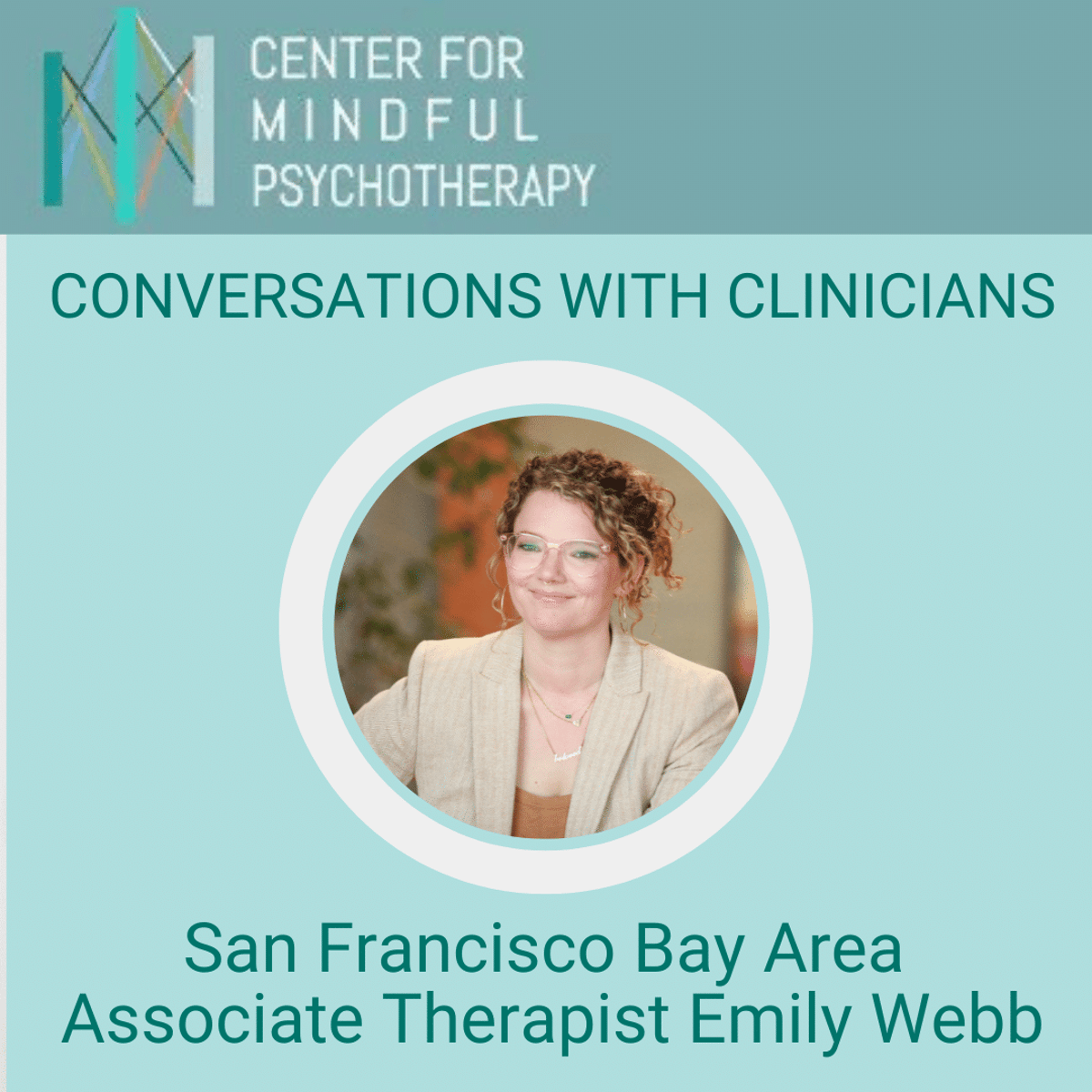
Conversations With Clinicians: Associate Therapist Interview with Emily Webb
The Center for Mindful Psychotherapy spotlighted associate therapist Emily Webb in its “Conversations with Clinicians” series. Webb brings a rare blend of experience as a community organizer, hospice chaplain, and ordained minister to her work as an AMFT serving a...

A 2-Minute Emotional Awareness Exercise
The post introduces a two‑minute emotional awareness exercise designed to help readers pause, label, and observe their feelings without trying to fix them. It outlines three simple steps: pause and check in, name the emotion gently, and notice the sensation...

The Hidden Cost of High Stakes: Managing Alpha Burnout
The article highlights the hidden costs of "alpha" burnout among high‑performing leaders, emphasizing how relentless pressure erodes mental energy and physical health. It cites a study estimating $5,500‑$28,500 in lost productivity per employee each year. The piece links chronic stress...

Your Nervous System Is Not Seeking Peace
The post argues that the nervous system is wired to seek activation, not passive peace, even when external stressors fade. When life quiets, the mind often pulls back toward tension because a baseline level of arousal feels familiar. This physiological...

The Body’s Response to Living in Constant Responsibility Mode
The article explains that living in a perpetual "responsibility mode" triggers a physiological stress response, not just a mental one. Continuous pressure keeps the hypothalamic‑pituitary‑adrenal (HPA) axis activated, flooding the body with cortisol and adrenaline. Over time this hormonal overload...

The Science of Letting Go – How to Release Negative Thinking?
The article explores the psychology behind persistent negative thoughts and offers practical strategies to release them. It emphasizes that letting go is not about erasing memories but reshaping the mind's relationship with them. Techniques include mindfulness, reframing, and disciplined mental...

Weekly Neuroscience Update
A wave of neuroscience research highlights non‑drug therapies and genetic insights that could reshape treatment for mental health, cancer‑related cognitive issues, and metabolic disorders. Transcranial magnetic stimulation shows lasting reduction of PTSD fear responses, while electroacupuncture improves cognition and alleviates...

A Complete Guide to Becoming a Certified Breathing Instructor
The Oxygen Advantage® method now offers a structured, science‑based pathway to become a certified breathwork instructor. The program starts with a Level 1 Functional Breathing Instructor course and progresses to an advanced certification that integrates CO₂ tolerance, nasal breathing, and biomechanical...

Ask an Expert: How to Recover From Mistakes.
Creativity in the Time of Capitalism launched its first Ask an Expert column, focusing on how professionals can recover from mistakes. The segment cites founder Lauren Haynes, whose first national Whole Foods order faltered due to a simple math error,...

You Need 5 Routines
Neuroscience confirms that the brain thrives on predictable patterns, making routines essential for mental stability. The post argues that chaotic days often stem from a lack of anchor routines that regulate the nervous system, dopamine levels, and cortisol. Instead of...
Why Your Body Feels Restless When Nothing Needs Your Attention
The article explores why people often feel a vague restlessness during periods of true stillness, even when no external demands exist. It attributes the sensation to the brain’s default‑mode network staying active, seeking mental stimulation. The author suggests mindfulness and...
Nervous System Reset: Easy Practices When You Feel Tired and Wired
A growing share of American workers feel simultaneously exhausted and overstimulated, a condition dubbed “tired‑and‑wired.” Recent surveys show more than 60% of employees report burnout, with younger staff and parents hit hardest. The blog explains that chronic stress, nonstop notifications,...

Navigating the Metacrisis: Finding Calm in the Storm Through Awareness and Meditation
The Great Simplification podcast episode explores how cultivating inner awareness through meditation can help individuals and societies navigate the "metacrisis" of overlapping global and personal challenges. Host Sam Harris argues that most suffering stems from unconscious identification with thought, which,...

Woodland Battles PTSD, Emotions at Masters
Gary Woodland, the 2019 U.S. Open champion, returned to the Masters after winning the Houston Open, which secured his final spot in the field. He revealed he continues to battle PTSD stemming from a benign brain tumor removed in 2023,...

Why Shrinking Your World Might Be the Path to Inner Peace
The article argues that relentless exposure to global news and social‑media alerts fuels chronic anxiety by overloading our nervous system. It cites research from Johann Hari and Jon Kabat‑Zinn that disconnection and unchecked information flow erode mental well‑being. The author proposes a...

When We Abandon Ourselves
The author recounts a restaurant incident where she accepted a fried grouper she didn’t want, realizing she had slipped back into a lifelong habit of self‑abandonment. She links this pattern to early conditioning that teaches women to suppress needs and...

What’s Really Happening When Your Thoughts Spiral at Night
The article explains that 3 a.m. anxiety is an evolutionary survival mechanism, not a malfunction. It shows how the brain repurposes ancient threat‑detection software to interpret harmless cues as danger, triggering cortisol and adrenaline spikes. By recognizing anxiety as a misguided...

Why Burnout at Work Is Getting Worse in the Age of AI and Remote Work with Dr. Guy Winch
In a recent Future of Work® podcast, psychologist Dr. Guy Winch explains why burnout is worsening despite heightened corporate focus on well‑being. He links the surge to remote work’s blurred boundaries, AI‑driven anxiety, and relentless digital connectivity that spill stress...

Notice Your Limp Heart Until It Becomes a Rose-Colored Meteor
The post reframes loving‑kindness meditation as a “friend crush” exercise, urging practitioners to start with small, genuine feelings rather than lofty aspirations. It suggests a simple one‑minute, eyes‑closed focus on a pleasant emotion, treating the feeling as a tactile object...
Why Your Day Feels Full but You Cannot Remember It
The post explains why a packed schedule can feel unmemorable: rapid attention shifts prevent the brain from encoding lasting memories. It highlights how even minor interruptions fragment focus, creating a sense of time compression. The author argues that true experience...

When Should a Family Go to Therapy? (Tampa Parent Guide)
Family therapy in Tampa is most effective when families seek help before crises arise. Serene Mind Counseling highlights six warning signs—constant conflict, child emotional struggles, major life changes, communication breakdowns, parental burnout, and trauma—that indicate it’s time for counseling. The...