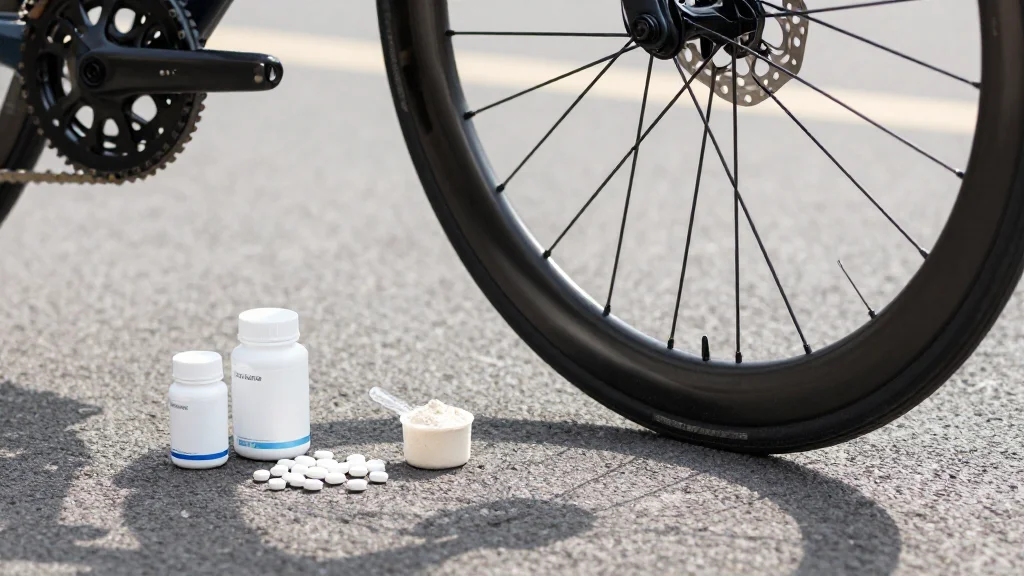
Flinders University Pinpoints Top Supplements for Elite Cycling Performance and Recovery

Why It Matters
The study delivers a rare, academically rigorous synthesis of supplement efficacy specific to elite cycling, a sport where marginal gains can decide podium finishes. By translating complex biochemical mechanisms into actionable recommendations, the research empowers athletes to make informed choices, potentially reducing reliance on unproven or banned substances. For the broader nutrition industry, the findings set a benchmark for product development and marketing claims, nudging the market toward greater scientific accountability. Moreover, the emphasis on individualized strategies highlights a shift away from generic supplement protocols toward precision nutrition. As genetic testing and microbiome profiling become more accessible, the integration of such data with evidence‑based supplement lists could redefine how athletes optimize performance, opening new avenues for personalized sport‑nutrition services.
Key Takeaways
- •Flinders University ranks beta-alanine, caffeine, carbs, creatine, nitrates, electrolytes and sodium bicarbonate as top ergogenic supplements for elite cyclists.
- •Study identifies 13 medical and recovery‑focused nutrients—including calcium, collagen and omega‑3s—with evidence for supporting bone health, inflammation and gut function.
- •Recommendations align with the Australian Institute of Sport’s Group A evidence tier, providing a clear framework for athletes and coaches.
- •Researchers stress individualized supplementation based on sex, age, genetics and gut microbiota, warning against one‑size‑fits‑all approaches.
- •Findings aim to guide product development and marketing in a sports‑nutrition market projected to exceed $30 billion this year.
Pulse Analysis
Flinders University's systematic review arrives at a pivotal moment for sport nutrition, where consumer demand for “performance‑enhancing” products often outpaces scientific validation. By anchoring its recommendations in peer‑reviewed evidence and mapping them onto the AIS tier system, the study offers a rare convergence of academic rigor and practical applicability. This could pressure supplement manufacturers to substantiate claims with robust data, potentially reshaping product pipelines toward the highlighted Group A compounds.
Historically, elite cycling has been a testing ground for novel ergogenic aids—from early caffeine trials to the recent surge in nitrate‑rich beetroot juice. The new hierarchy reinforces the staying power of classic agents like caffeine and carbohydrates while reaffirming emerging favorites such as beta‑alanine and sodium bicarbonate. The inclusion of creatine monohydrate, traditionally associated with high‑intensity sports, signals a broader acceptance of its utility in endurance contexts, likely spurring targeted formulation efforts.
Looking ahead, the study's call for personalized supplementation dovetails with advances in nutrigenomics and microbiome analytics. As athletes gain access to affordable genetic and gut‑flora profiling, we can expect a new generation of data‑driven supplement regimens that fine‑tune dosage and timing. This convergence may give rise to a niche market of bespoke sport‑nutrition services, challenging traditional mass‑market supplement brands to adapt or partner with tech‑focused startups. In the short term, coaches and sports physicians will likely adopt the Flinders list as a reference point, while regulators may use it to refine education campaigns around safe, evidence‑based supplement use.
Flinders University pinpoints top supplements for elite cycling performance and recovery
Comments
Want to join the conversation?
Loading comments...