Today's Biohacking Pulse

Study Links Common Cognitive Supplement L‑Tyrosine to Shorter Lifespan
Researchers analyzing data from over 250,000 UK Biobank participants found that genetically higher L‑tyrosine levels are associated with a reduced lifespan, particularly in men who lived about one year less on average. The Mendelian randomization approach isolated tyrosine’s effect, showing it to be more detrimental than its precursor phenylalanine.

Somatic‑Wisdom Podcast Unveils Breathwork Blueprint with Dr. Kimberly Albarran
The Collective Cast released a new episode featuring Dr. Kimberly Albarran and somatic practitioner Casey Mowrer, where host Jen Beyst explores breathwork, neuroplasticity, and body‑mind integration as tools for chronic pain relief, hormonal balance, and stress transformation.
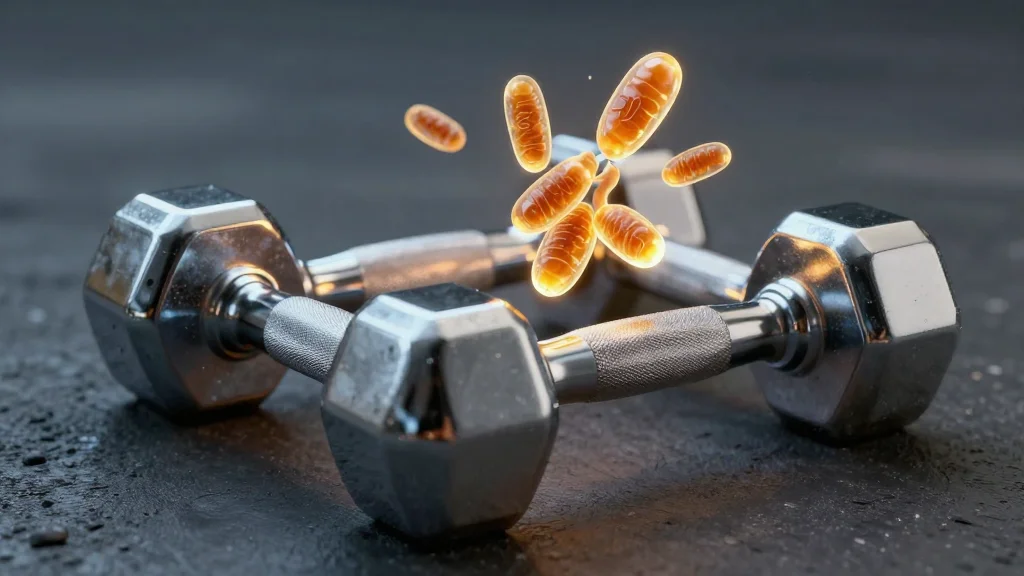
Exercise Revives Aging Muscles Through Mitochondrial Remodeling
Mitochondrial remodeling in skeletal muscle underlies exercise-induced reversal of age-associated functional decline in mice and humans "We report that exercise-induced improvements in functional capacity, including reduced frailty in old mice, are dependent on mitochondrial adaptations in skeletal muscle at structural, enzymatic,...
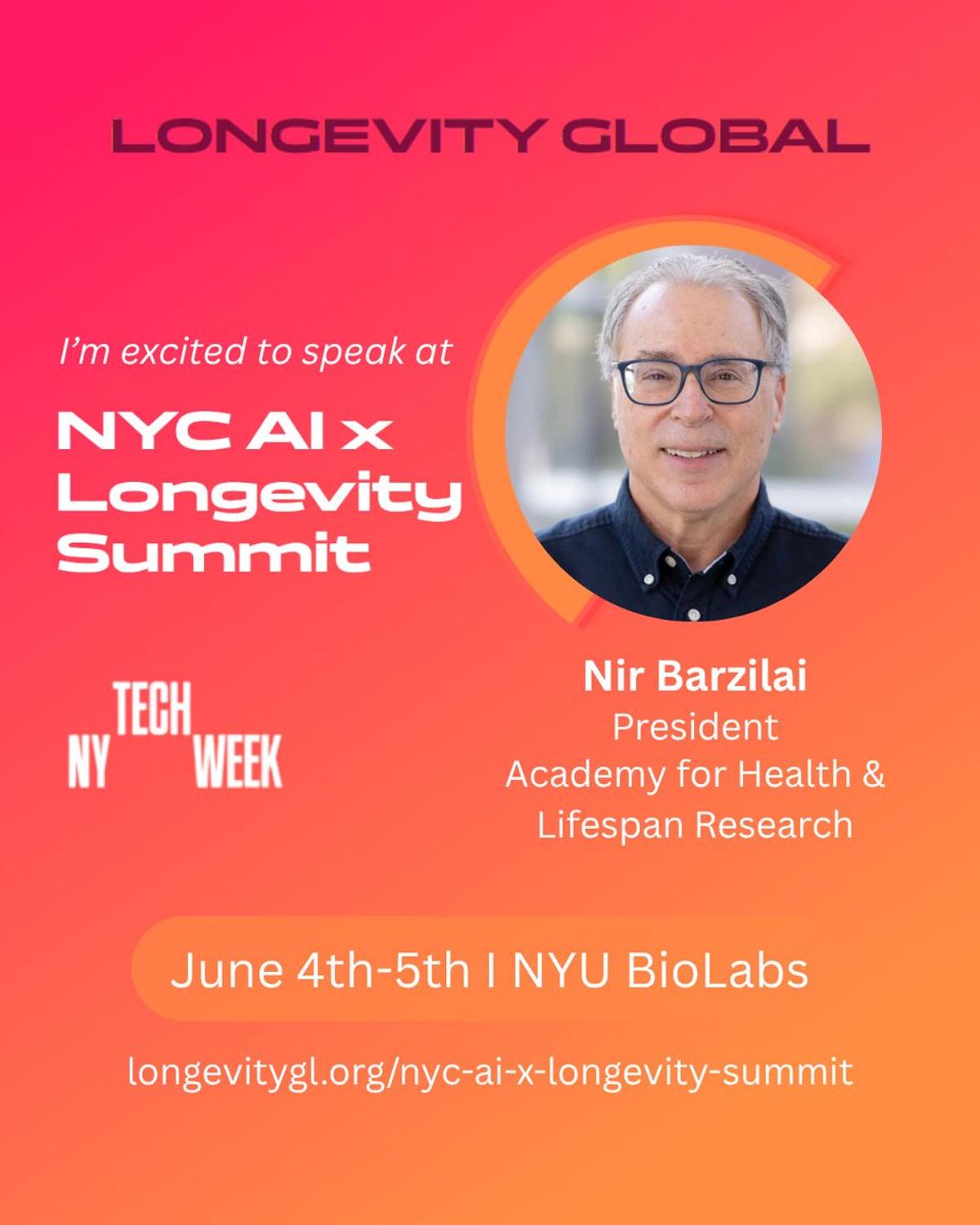
AI Meets Longevity: New Biomarkers Unveiled at NYU
Excited to be speaking at the AI × Longevity Summit by Longevity Global at NYU Langone BioLabs during NYC Tech Week. I will share work from Albert Einstein College of Medicine and Academy for Health and Lifespan Research focused on translating AI and multi-omics into...
Traditional Zuogui Pill Shown to Reduce DNA Damage and Delay Ovarian Aging via SIRT1 Activation
Researchers have demonstrated that the traditional Chinese medicine Zuogui Pill (ZGP) significantly reduces DNA damage and the senescence‑associated secretory phenotype in ovarian stem cells, delaying ovarian aging through activation of the SIRT1 pathway. The findings, published in a peer‑reviewed journal,...
Creatine Supplementation Cuts Early Alzheimer’s Decline by 30% in New Study
Researchers at the University of Kansas Medical Center found that daily creatine supplementation increased brain phosphocreatine levels and slowed cognitive decline in early Alzheimer’s patients by roughly 30%. The findings, based on a 240‑patient trial, suggest a cheap, widely available...

Bhuvneswar Kumar Cuts Body Fat to 14% at 36, Extends IPL Longevity
India's 36‑year‑old fast bowler Bhuvneswar Kumar has lowered his body‑fat percentage from 19% to 14% while keeping his weight steady, according to his strength coach. The transformation has helped him sustain top‑level performance for Royal Challengers Bengaluru in the latest...
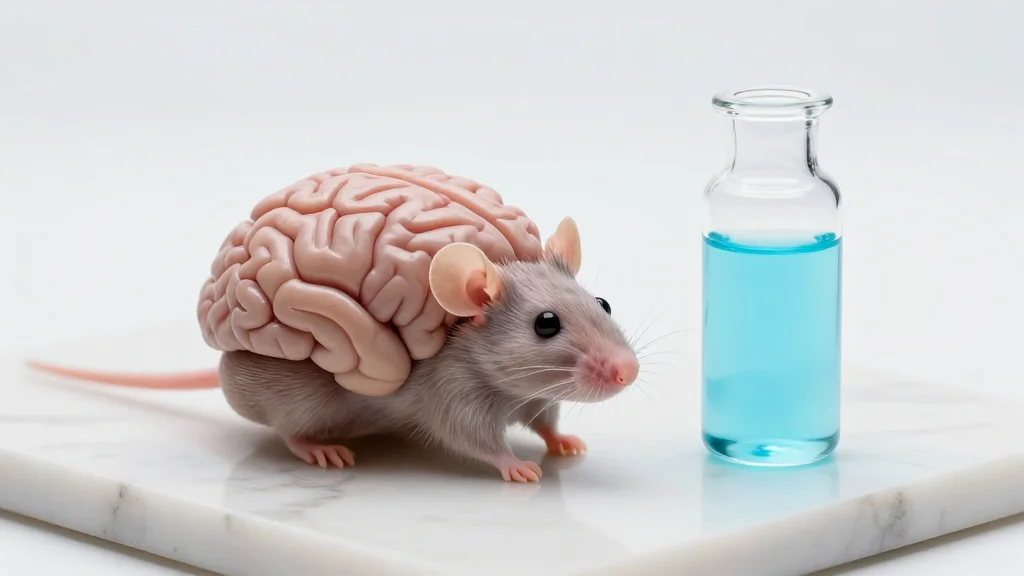
Xiamen Researchers Identify Menin Protein That Reverses Brain Aging in Mice
Researchers at Xiamen University have shown that boosting the brain protein Menin stops inflammation, reverses memory loss and extends lifespan in mice. The study, published in PLOS Biology, suggests a molecular target for neuro‑hacking and anti‑aging interventions.
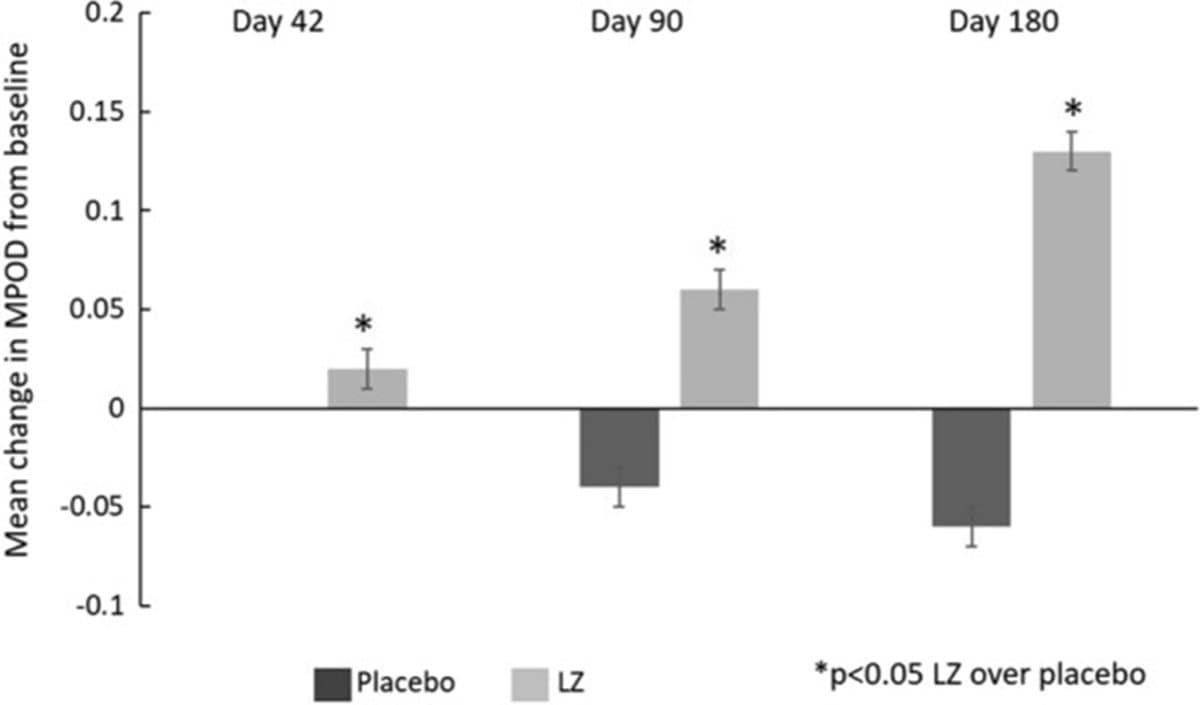
Lutein & Zeaxanthin Raise Eye Health 25% in Six Months
If you're getting digital eye strain and experiencing a decline in eyesight, consider lutein and zeaxanthin Taking 10 mg of lutein and 2 mg of zeaxanthin has been seen to increase macular pigment optical density (MPOD), a marker of eye health,...
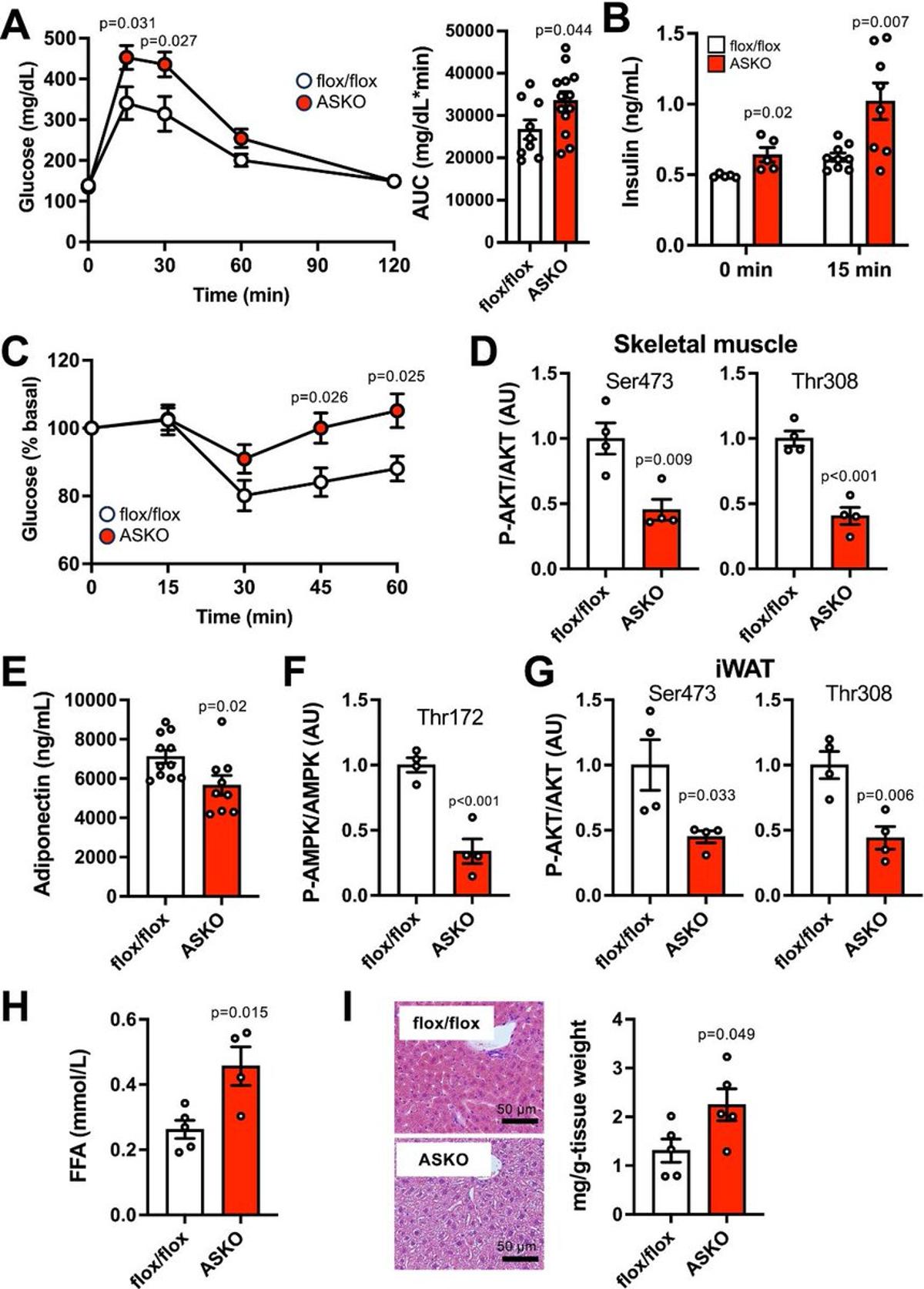
Adipocyte SLC25A51 Controls Mitochondrial Function and Aging Metabolism
The Mitochondrial NAD Transporter SLC25A51 in Adipocytes Regulates Adipose Tissue Mitochondrial Function and Systemic Metabolism During Aging https://t.co/4SuyuA0UsH https://t.co/h1nYczP9Jl
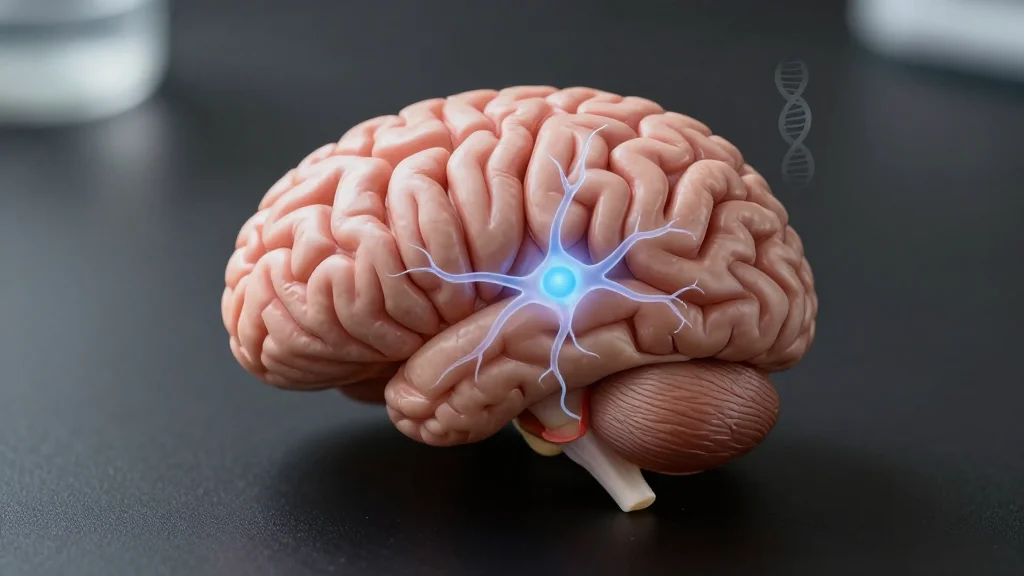
NIH Finds Unique Brain Cell Signature in 80‑Plus ‘SuperAgers’, Opening Door to Cognitive Biohacking
A National Institutes of Health‑funded team analyzed more than 350,000 brain cells and found that cognitively resilient adults over 80—dubbed SuperAgers—possess a unique molecular profile and generate more new neurons than peers. The discovery offers a scientific foothold for biohackers...
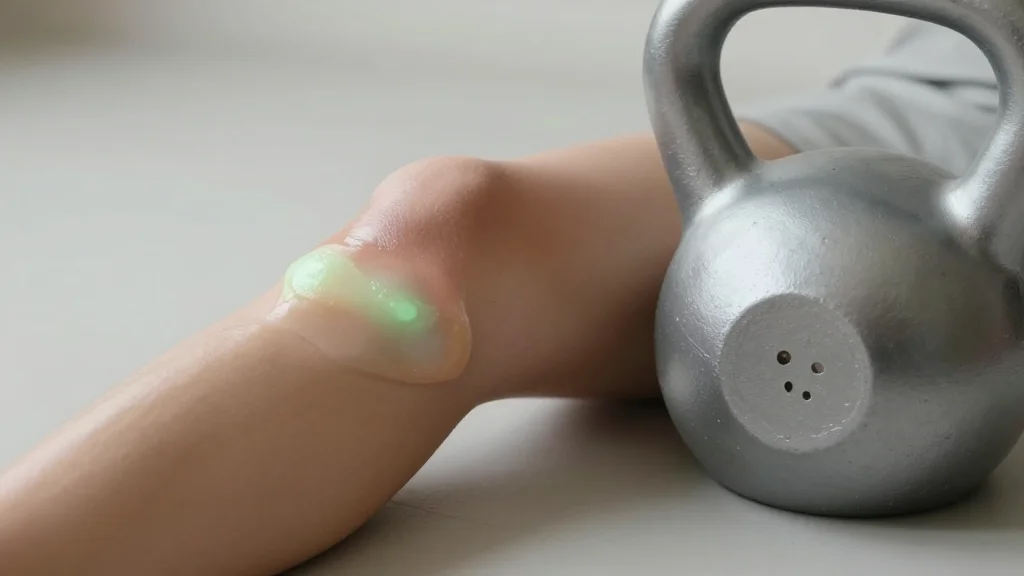
High‑Intensity Exercise May Actually Build Cartilage
What if high intensity exercise actually grew cartilage? I have to walk folks off the ledge of fear almost daily in my office. Far too many think that exercise is grinding away their cartilage. The paper we discuss today says...
Short-Term Diet Shifts Affect Markers, Not Age Reversal
Short-Term Dietary Intervention Alters Physiological Profiles Relevant to Ageing 🔎"[Though] caution is warranted in interpreting such changes as evidence of biological age reversal as observed shifts may reflect acute physiological responsiveness to dietary inputs rather than altered ageing trajectories." https://t.co/kQflQ3i3Kw
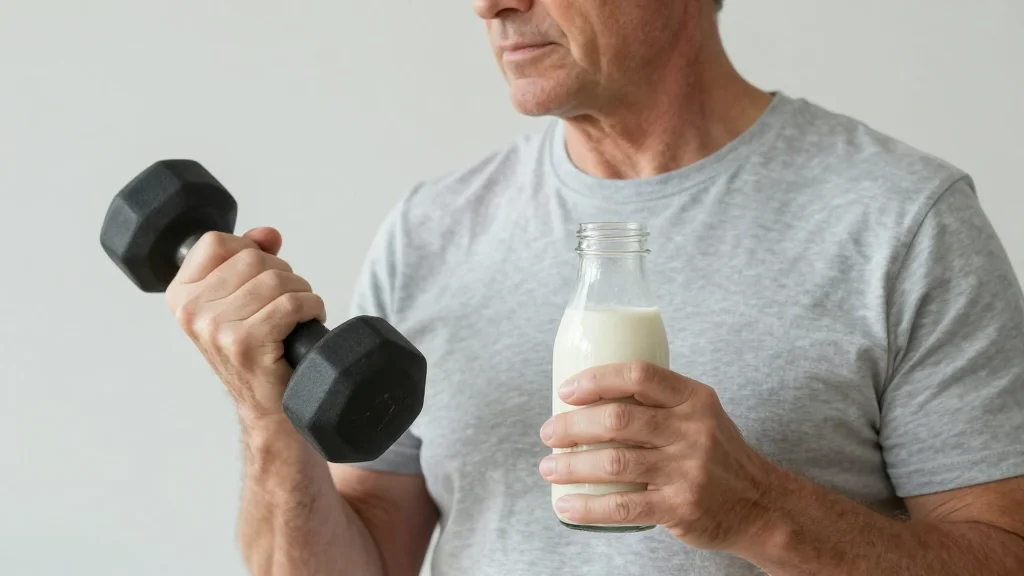
Combined Protein and Resistance Training Boost Strength in Seniors
Researchers reviewing dozens of studies report that older adults who combine resistance training with higher-quality protein intake achieve stronger improvements in muscle mass, handgrip strength, walking speed and overall function than those who rely on exercise or nutrition alone. The...
Vega$ Platform Fuels $1 Billion Underground Steroid Market at Enhanced Games
The Vega$ platform, backed by Peter Thiel and Balaji Srinivasan, is facilitating a $1 billion underground market for performance‑enhancing drugs at the Enhanced Games in Las Vegas. Athletes receive up to $1 million for record‑breaking performances, while regulators decry the scheme as...

From Lifespan to Cellspan: How Dsm-Firmenich Is Reframing Longevity Innovation
DSM‑Firmenich is pivoting from traditional condition‑based health claims to a cellular‑level longevity strategy, targeting four modifiable hallmarks of aging—chronic inflammation, gut microbiome, mitochondrial function, and cellular senescence. The company is developing ingredient blends that can influence these pathways and stresses...

How Selegiline ((-)-Deprenyl) Slows Brain Aging
Selegiline is an FDA‑approved monoamine oxidase‑B inhibitor used alongside levodopa for Parkinson’s disease and as an adjunct for major depressive disorder. At the standard 10 mg daily dose it selectively blocks MAO‑B, raising dopamine levels and mitigating motor symptoms. Recent pharmacokinetic...
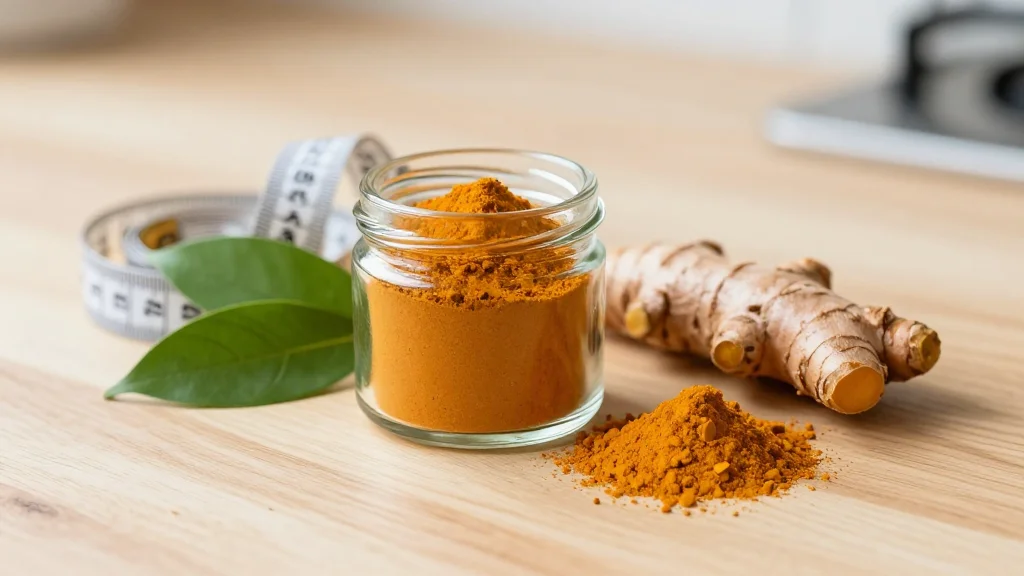
Can Turmeric Improve Body Composition? Here’s What 20 Clinical Trials Reveal
A new systematic review and meta‑analysis of 20 randomized controlled trials examined turmeric or curcumin supplements in people with prediabetes or type 2 diabetes. The pooled data show an average weight loss of about 2 kg (4.4 lb) and a 2–3 cm reduction in...

This Habit May Be One Of The Best Things You Can Do For Healthy Aging
A new 11‑year Australian study of 12,862 adults aged 70 and older found that regular social and cognitive activities—reading, listening to music, maintaining relationships, and community outings—slow the progression of frailty and lower the risk of becoming frail. Passive mental...
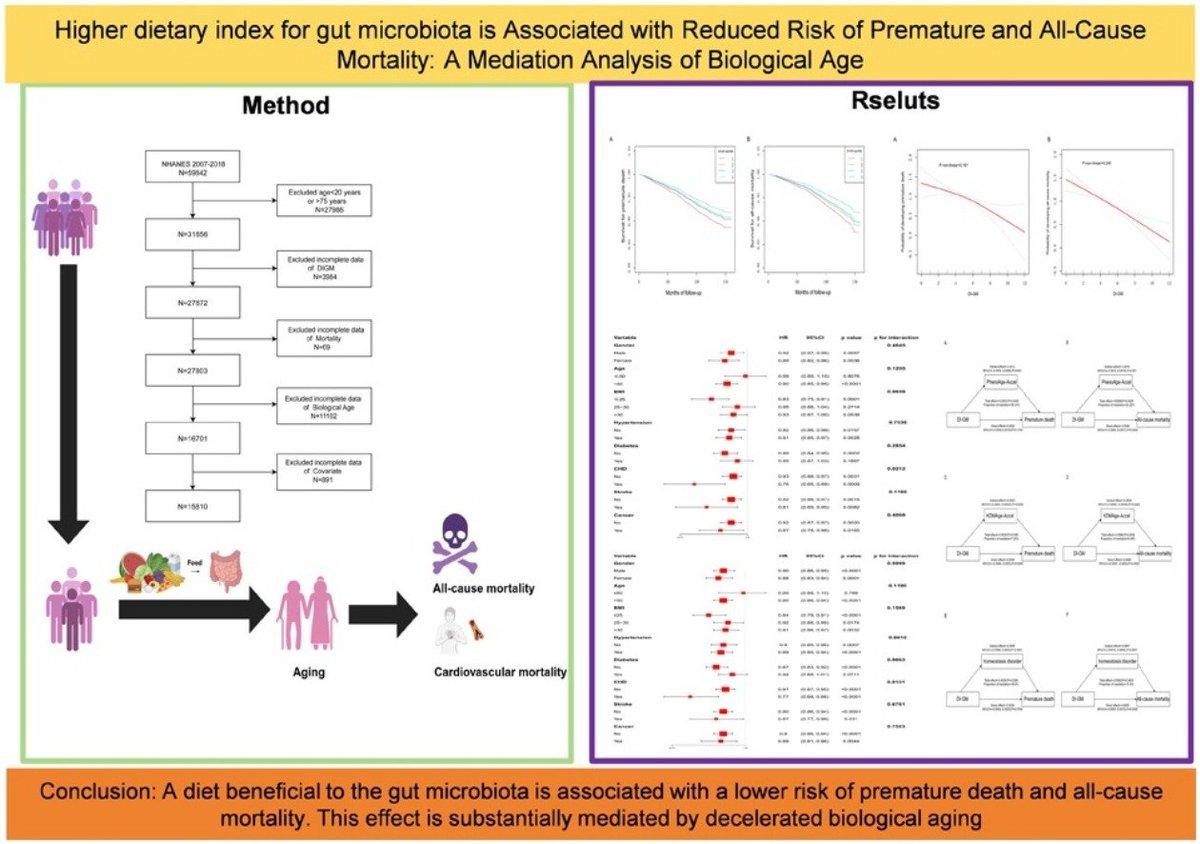
Higher DI‑GM Scores Cut Mortality via Slower Aging
Association of dietary index for gut microbiota with premature and all-cause mortality: A mediation analysis of biological age 👉"Elevated DI-GM scores were associated with a lower premature death and all-cause mortality, with biological aging serving as a significant mediator in this...

#394 ‒ Sleep Pharmacology: The Role of Medications in Healthy Sleep, the Promise of Emerging Therapies, and the Evidence for...
In a deep‑dive episode, Peter Attia examines sleep pharmacology, positioning prescription drugs as targeted tools rather than the primary solution for insomnia. He outlines the four core drivers of sleep problems—pressure, circadian timing, hyperarousal, and architecture—and matches each medication class...
Vigorous Exercise Reduces Pressure‑Independent Arterial Stiffness
Intensity Matters: Vigorous Activity is Associated with Lower Pressure-Independent Arterial Stiffness in the UK Biobank 😅"Vigorous activity was consistently associated with lower ASI-PI, suggesting beneficial vascular adaptations to exercise beyond its effects on hemodynamic load." https://t.co/12Dv4bmWOD
Siim Land: Biohacking Longevity, Health Span Truths & Cutting Through the Noise
Stanford geneticist Dr. Michael Snyder’s 13‑year multi‑omic study shows human aging is non‑linear, with two major molecular inflection points at roughly ages 44 and 60. About 81 % of tracked transcripts, proteins, metabolites, lipids and microbiome features shift dramatically at these...
Turning Back Time: A Comprehensive List of Interventions that Decrease Next-Generation Epigenetic Aging Clocks in Humans
A systematic review in Frontiers in Genetics evaluated 41 human trials to see which interventions move next‑generation epigenetic aging clocks such as GrimAge, OMICmAge and DunedinPACE. The analysis found that GLP‑1 agonist semaglutide, FTC/TAF, omega‑3 supplementation and lifestyle changes like...
Lanatoside C Shows Senolytic Activity and Cuts Atherosclerosis in Mice
Researchers screened 2,150 FDA‑approved drugs and identified lanatoside C as a senolytic that eliminated senescent cells and lowered atherosclerotic plaque in mice, highlighting a new therapeutic avenue for age‑related vascular disease.

UCL Study Finds Arts Activities Slow Biological Aging by 4%, Matching Exercise Benefits
Researchers at University College London analyzed 3,556 UK adults and discovered that regular engagement in arts and cultural activities slows biological aging by about 4%, an effect size similar to that of regular exercise. The finding highlights a growing shift...
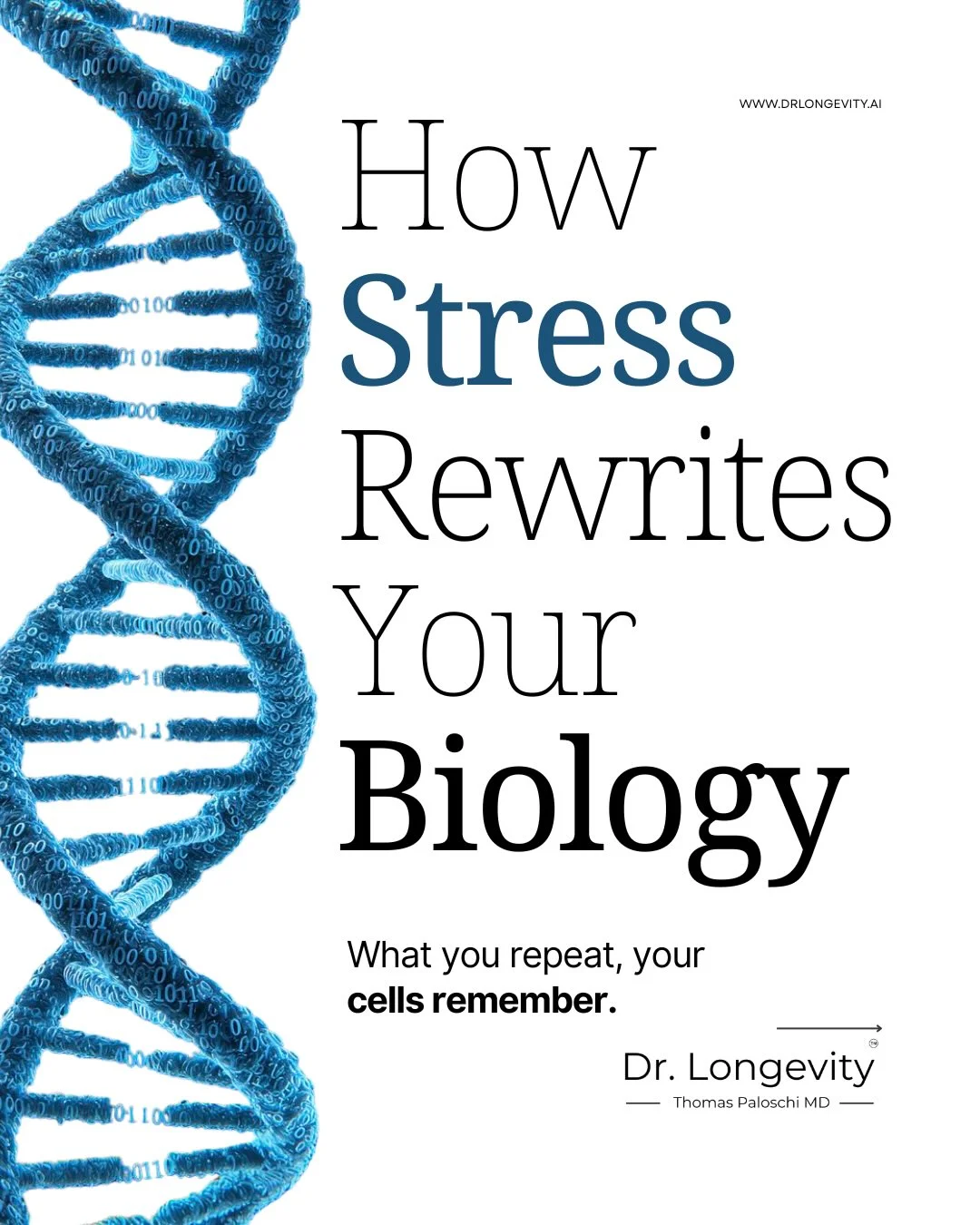
Habits Rewrite Your Genes' Impact, Not Their Code
Genetics is mostly fixed. Epigenetics is dynamic. You cannot change the DNA you inherited. But you can influence how that DNA is expressed through the signals you repeat every day: stress, sleep, food, movement, connection, and recovery. Chronic stress can push biology toward inflammation. Consistent...
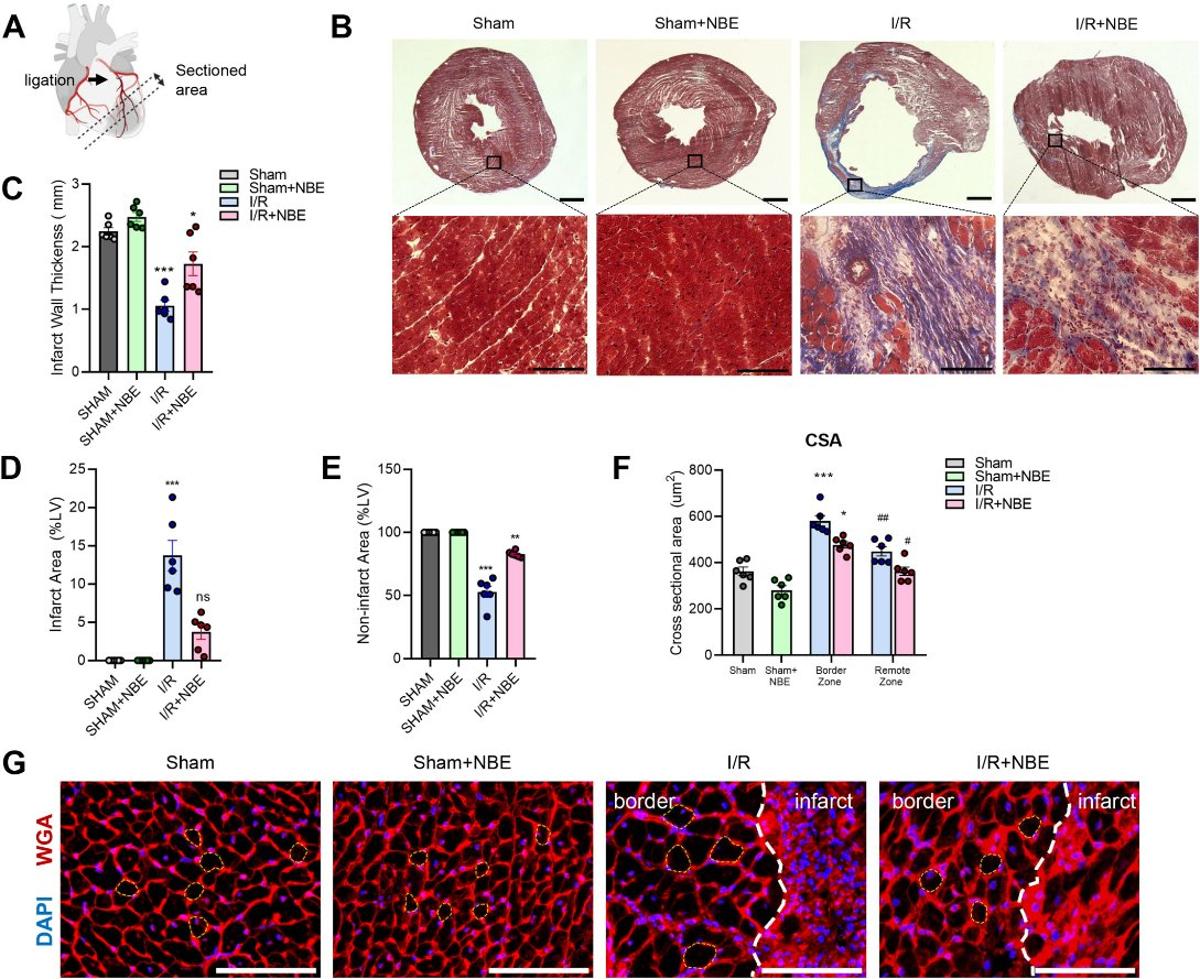
Plasma Dilution Boosts Cardiac Repair and Mobility in Aged Mice
Plasma Dilution After Myocardial Ischemia-Reperfusion Injury Promotes Cardiac Repair, Heart Performance, and Recovery of Motor Function and Endurance in Old Mice https://t.co/gKE6dyzbYJ https://t.co/hjKrU0bPxk
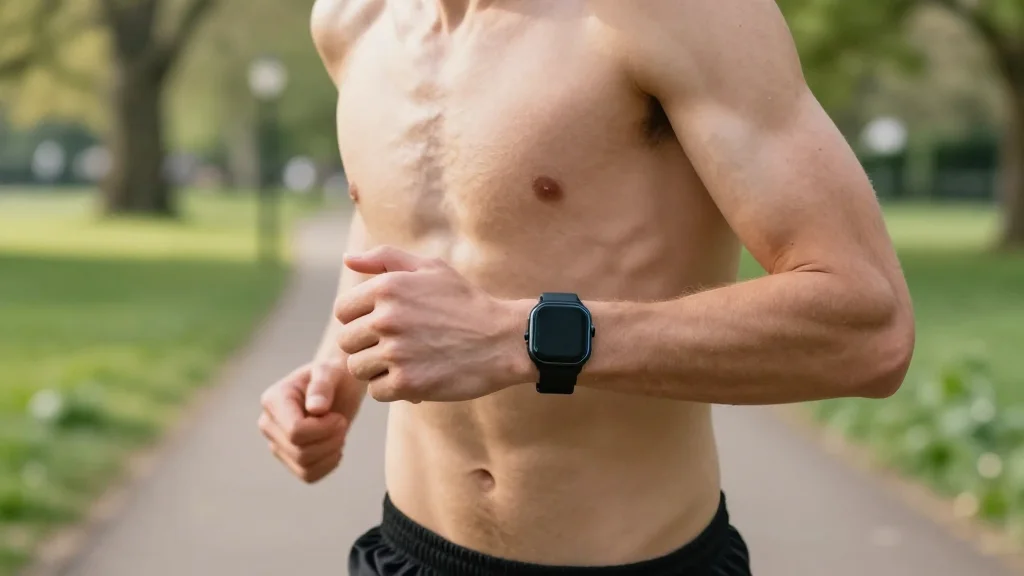
UK Runners Embrace VO2 Max as Longevity Metric, Fueling New Training Trend
Across London parks and parkrun meet‑ups, UK runners are swapping split‑time goals for VO2 max numbers, a shift driven by a 2018 JAMA study that linked low cardiorespiratory fitness to a 5‑fold higher death risk. Wearable makers and sports labs...

Texas A&M Nasal Spray Reverses Brain Aging Markers in Mice After Two Doses
Researchers at Texas A&M University reported that a nasal spray delivering extracellular vesicles from human neural stem cells reversed key brain‑aging markers in mice after just two doses. Funded by the National Institute on Aging, the study showed lasting reductions...

Could Giving up High-Sugar, High-Fat Diets Help Reverse Cognitive Damage?
A review of 27 rodent studies published in Nutritional Neuroscience finds that high‑sugar diets can cause lasting cognitive impairment that is only partially reversible. Switching to a healthier diet improves memory in animals previously fed high‑fat diets, but not in...
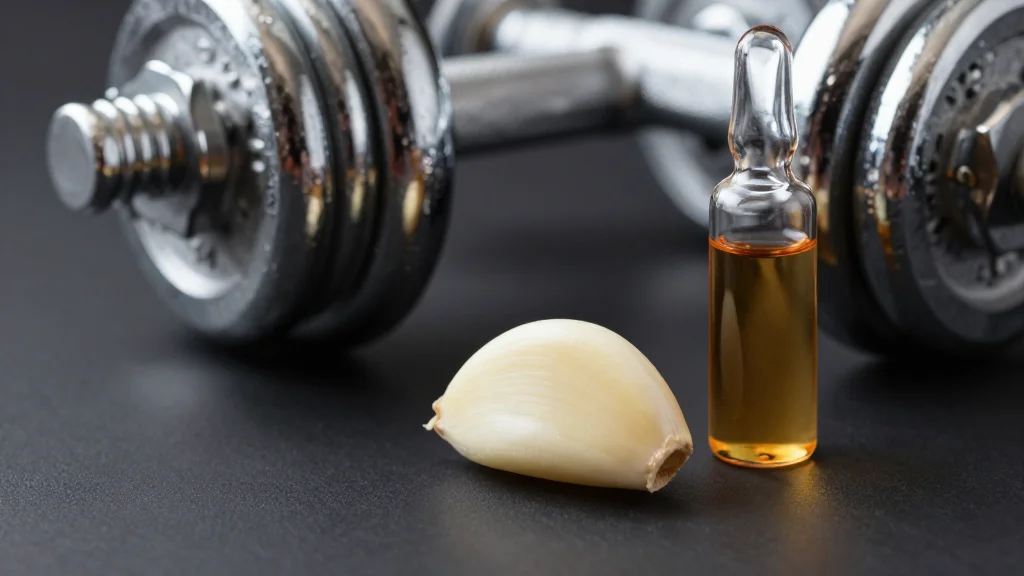
Japanese Researchers Find Garlic Compound Boosts Muscle via Fat‑Brain Pathway
Scientists at Japan's Institute for Research on Productive Aging and Wakunaga Pharmaceutical identified S‑1‑propenyl‑L‑cysteine (S1PC) in aged garlic extract as an activator of a newly described fat‑brain‑muscle signaling axis. Published in Cell Metabolism, the work shows the compound raises eNAMPT...
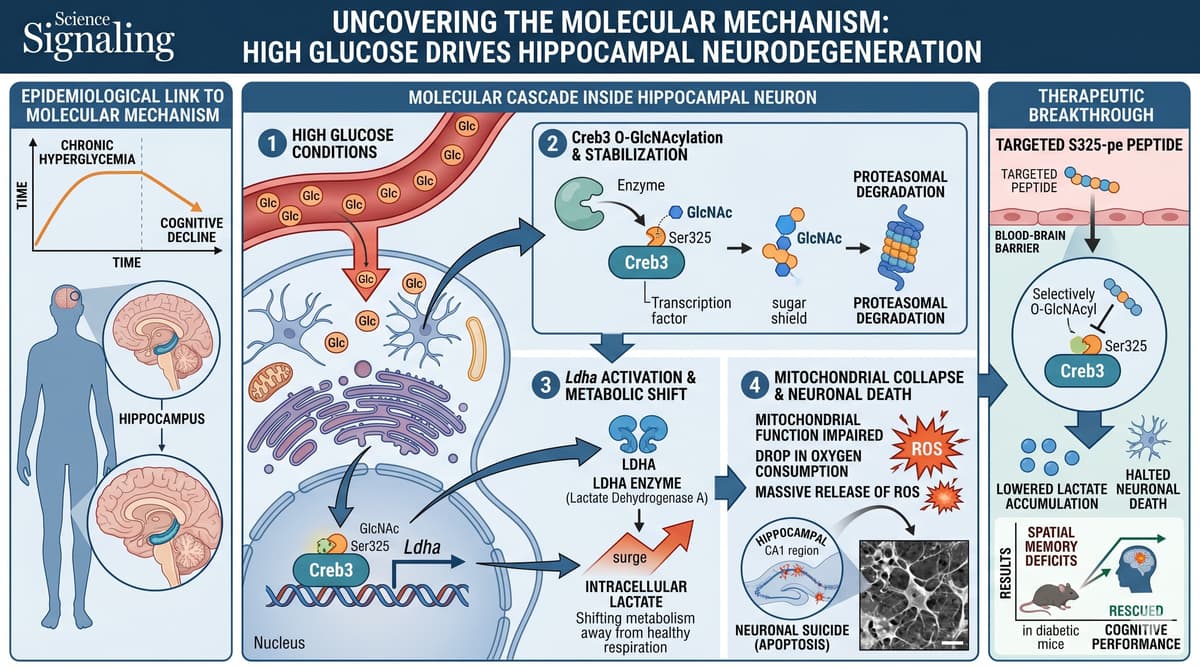
The Sugar Brain Drain: How Diabetes-Induced Lactate Accumulation Triggers Cognitive Decline
A new study in Science Signaling reveals that chronic high blood sugar drives a metabolic cascade in hippocampal neurons, leading to excess lactate production and cognitive decline. The researchers identified O‑GlcNAcylation of transcription factor Creb3 at Ser325 as the trigger...
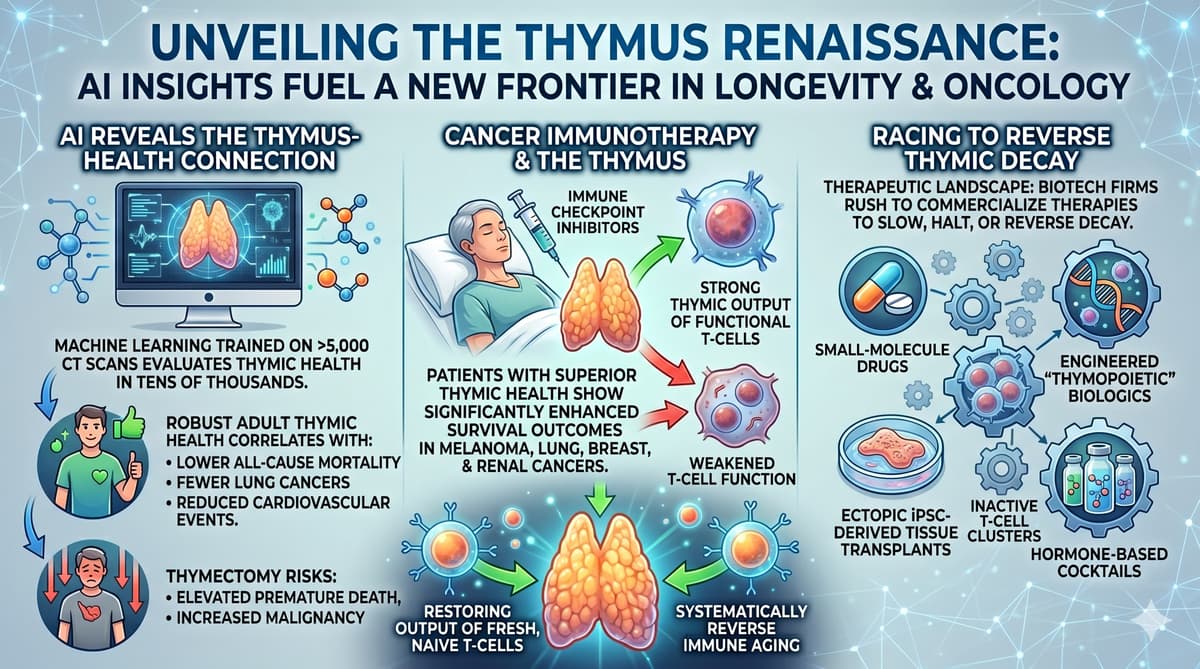
The Thymus Renaissance: Reawakening the Body's Forgotten Immune Engine for Longevity
Decades of belief that the adult thymus is vestigial have been overturned by large‑scale AI analyses of thousands of CT scans, which show that preserved thymic tissue strongly predicts lower all‑cause mortality, fewer lung cancers, and reduced cardiovascular events. A...
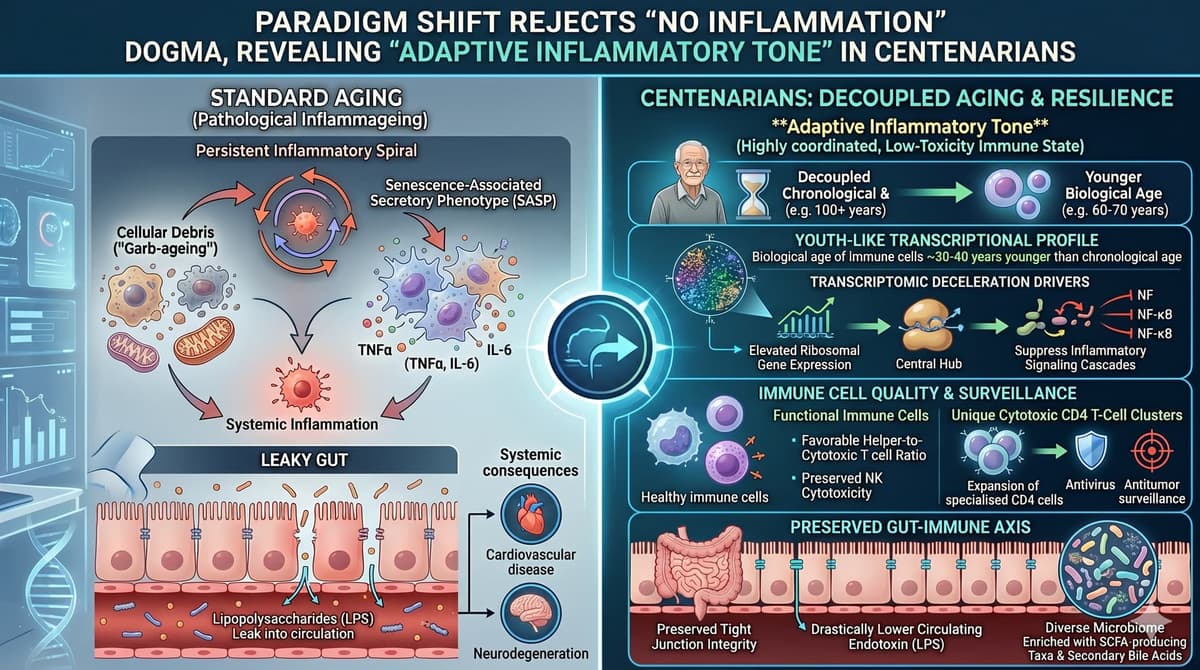
The Century-Old Immunome: Learning From the Adaptive Shield of Human Centenarians
The article outlines translational strategies to mimic centenarians’ elevated RNASEH2C activity, which clears cytoplasmic RNA:DNA hybrids and dampens chronic inflammation. It proposes four therapeutic levers: epigenetic maintenance to prevent RNASEH2C hyper‑methylation, delivery of centenarian‑derived extracellular vesicles, upstream protection of mitochondrial...

Enhanced Games' Drug‑Heavy Sprint Wins Fall Short of High‑School Times
The Enhanced Games concluded on May 24, 2026 in Las Vegas with sprinter Fred Kerley winning the men’s 100 m in 9.97 seconds, a time slower than his own best and about half a second slower than elite Texas high‑school athletes. Despite $250,000 race prizes...
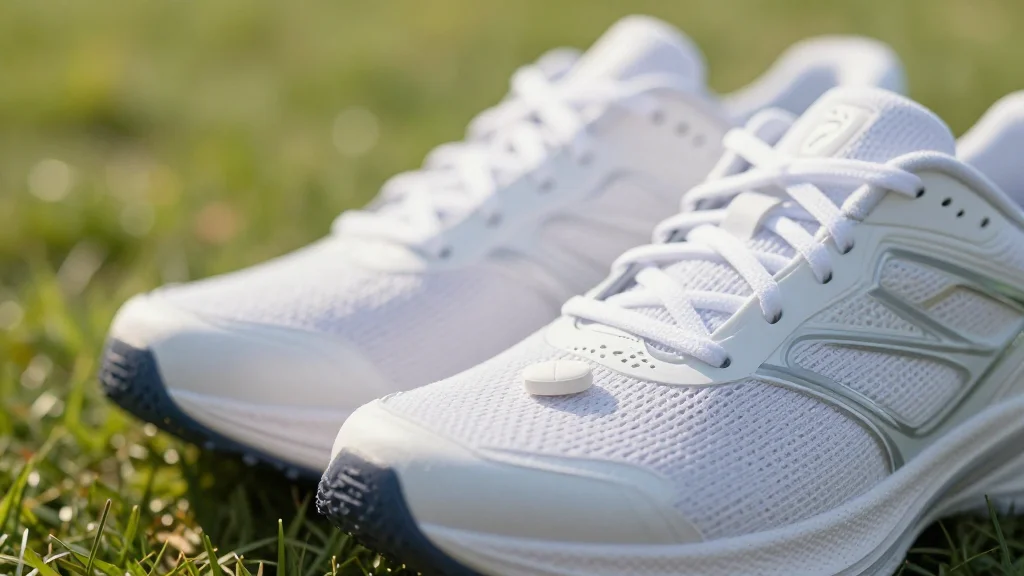
Avoid NSAIDs Before Workouts; They Hinder Recovery
NSAIDs can blunt many healing responses and beneficial adaptations to exercise... They don't heal much... use them sparingly and wisely. Try never to take them before a run or ride. https://t.co/7kAEvmWtkF

Dual MC3R/MC4R Activation Triggers Weight Loss in Obese Male Primates
Researchers have demonstrated that simultaneous activation of melanocortin‑3 and melanocortin‑4 receptors produces marked weight loss and reduced food intake in obese male primates. The findings, published in Nature Communications, suggest a mechanistically distinct route to metabolic biohacking beyond current GLP‑1...
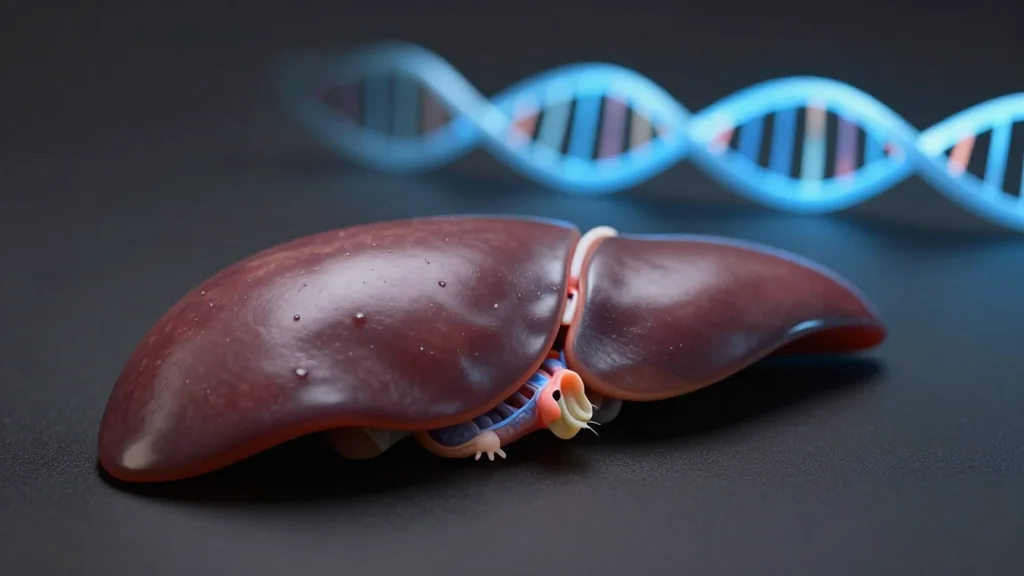
Israeli Researchers Use SIRT6 Activation to Reverse Liver Ageing in Mice
Bar‑Ilan University scientists led by Prof. Haim Cohen have demonstrated that boosting the SIRT6 protein in the livers of 24‑month‑old mice reverses age‑related DNA disorganization and restores youthful metabolic function. The month‑long treatment produced lasting benefits for at least three...
Resistance Training: Lowering the Barrier to Entry
Resistance training is essential for healthy aging, yet most adults avoid it because conventional programs demand heavy loads, frequent sessions, and training to failure. A 2023 meta‑analysis of 192 studies on untrained adults found that a moderate‑load, multiple‑set routine performed...
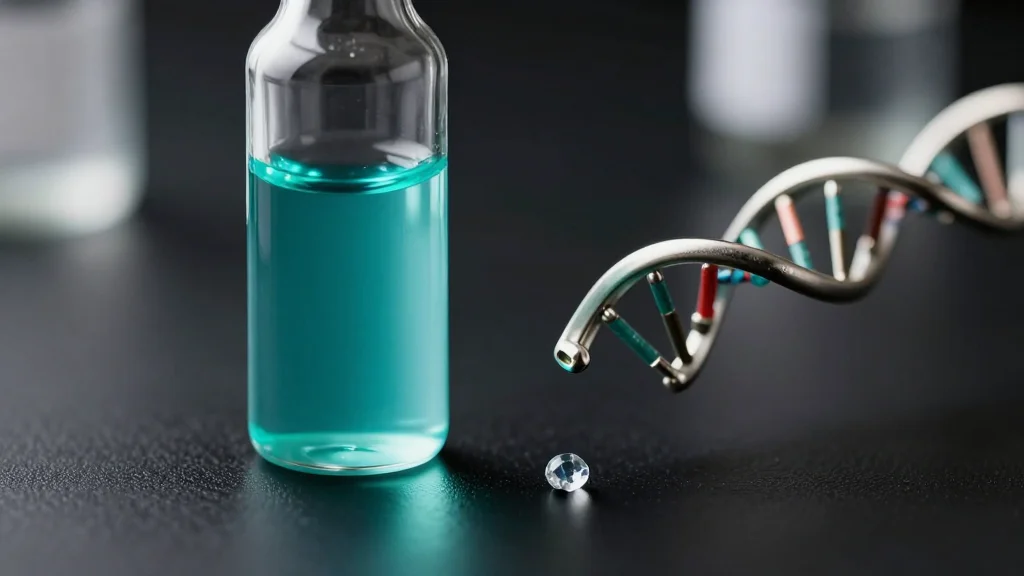
Verve Therapeutics’ One‑Dose Gene Edit Cuts LDL 62% for Six Months
Verve Therapeutics announced that a single intravenous infusion of its base‑editing drug reduced LDL cholesterol by an average 62% in patients with heterozygous familial hypercholesterolemia, with the effect persisting for at least six months. The result, from a small phase...
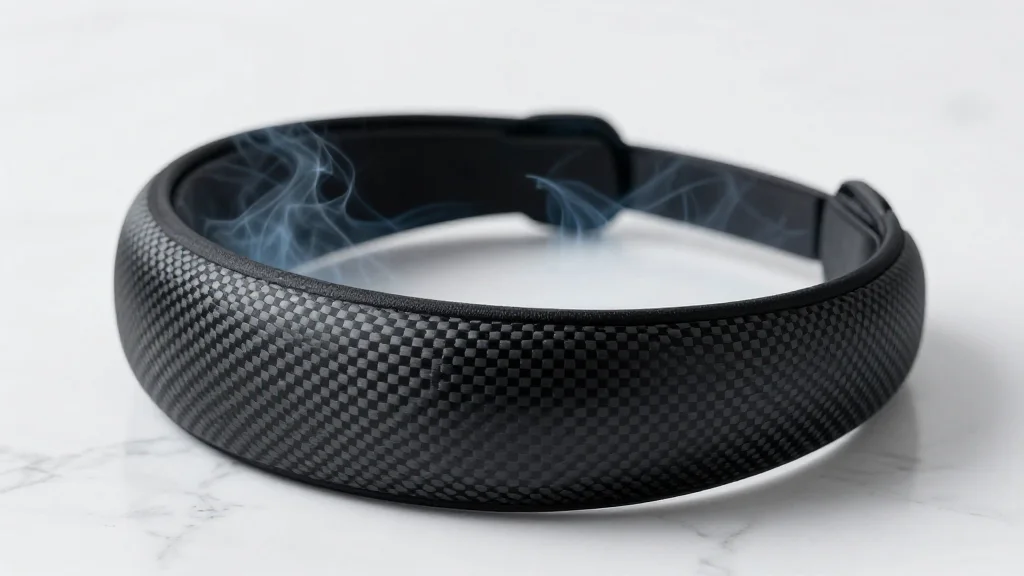
Linktop Launches Graphene-Based Cooling Headband
Chinese smart‑wearable maker Linktop has introduced the Lifestone Graphene Cooling Headband, a battery‑free wearable that leverages graphene’s high thermal conductivity to passively dissipate heat during intense exercise. The headband aims to lower core body temperature and heart rate, thereby extending...
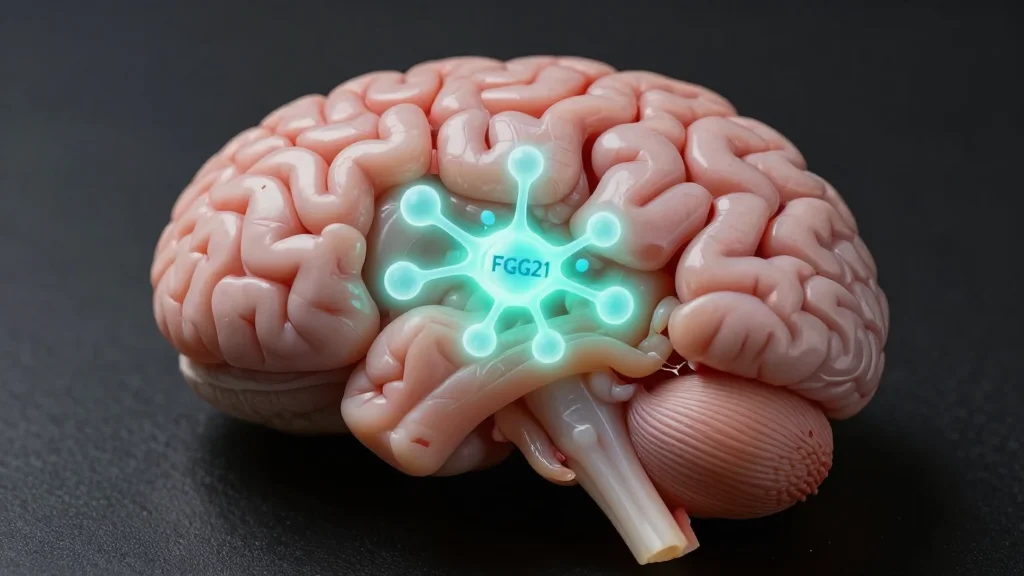
Hindbrain Neurons Directly Sense FGF21, Regulating Appetite
Researchers identified a specific group of neurons in the hindbrain that respond directly to FGF21, acting as a key pathway through which the hormone influences eating behavior and energy balance. https://t.co/ISa30OdrM5
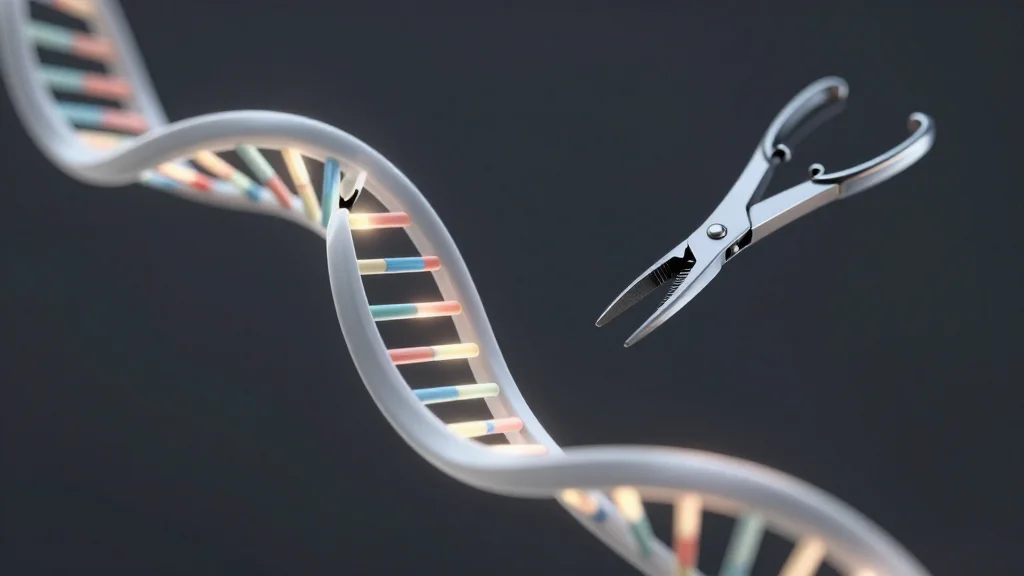
Cornell Team Introduces Safer DNA‑Nick CRISPR Method for Gene Editing
Researchers at Cornell University have unveiled a DNA‑nick based CRISPR method that replaces double‑strand cuts with single‑strand nicks, cutting toxicity in the MAGIC platform. Published in the Proceedings of the National Academy of Sciences on May 27, 2026, the work...

My Father Had Severe Emphysema. Doctors Gave Him 6 Months to Live — 20 Years Ago.
Twenty years ago, Valérie Orsoni's father was diagnosed with severe emphysema and given a six‑month life expectancy. Defying that prognosis, he has now reached age 85, no longer relies on CPAP or nightly supplemental oxygen, and maintains 96‑97% oxygen saturation...

Longevity Is the New Luxury: Inside the $100K Biohacking Lifestyle
A growing cadre of ultra‑wealthy entrepreneurs, athletes and CEOs are redefining luxury as the ability to extend healthy life, spending six‑figure sums on biohacking and longevity clinics. These clinics combine full‑body imaging, genetic analysis and continuous biomarker monitoring with elite‑athlete‑style...
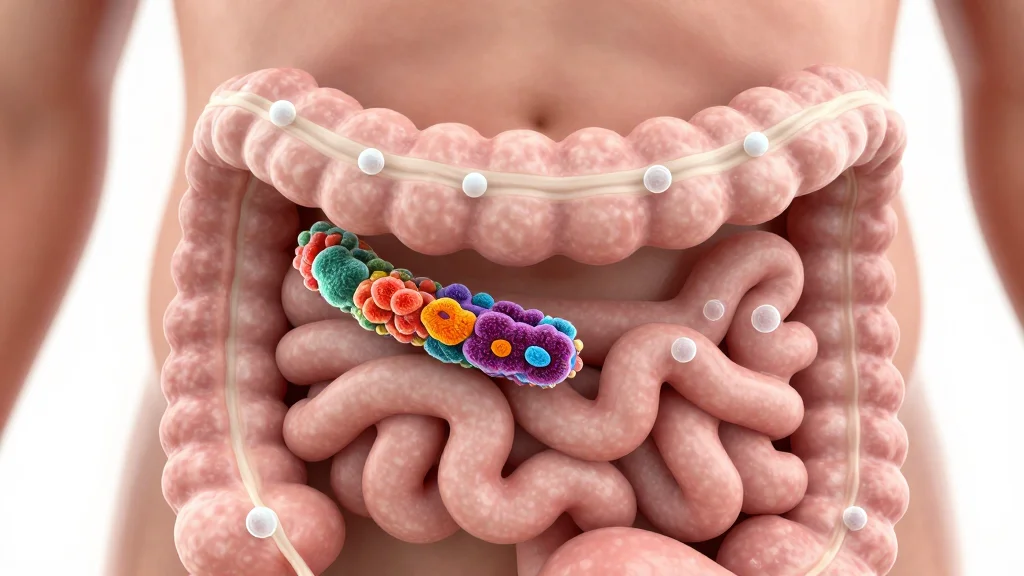
Aging Immune Decline Linked to Gut Microbiome Instability
Researchers at Germany's Leibniz Institute on Aging and Friedrich Schiller University Jena published a paper in PLoS Biology linking age‑related loss of immune surveillance to destabilization of the gut microbiome. The work argues that immune decline, rather than intrinsic microbial...

Should You Use a Sleep Tracker?
Sleep‑tracking wearables have moved from niche gadgets to mainstream health tools, with roughly 50% of American adults and 40% of Britons now using a smartwatch, ring, or phone app to monitor sleep. Recent validation studies show most consumer devices can...
This Single Dietary Shift Cuts Cellular Damage By 25% (Modern Healthspan)
Researchers at USC published a cross‑sectional study in Frontiers in Nutrition showing that high adherence to a traditional Mediterranean diet markedly raises circulating mitochondrial‑derived peptides Humanin and SHMOO in older adults with atrial fibrillation. Participants with the highest diet scores...
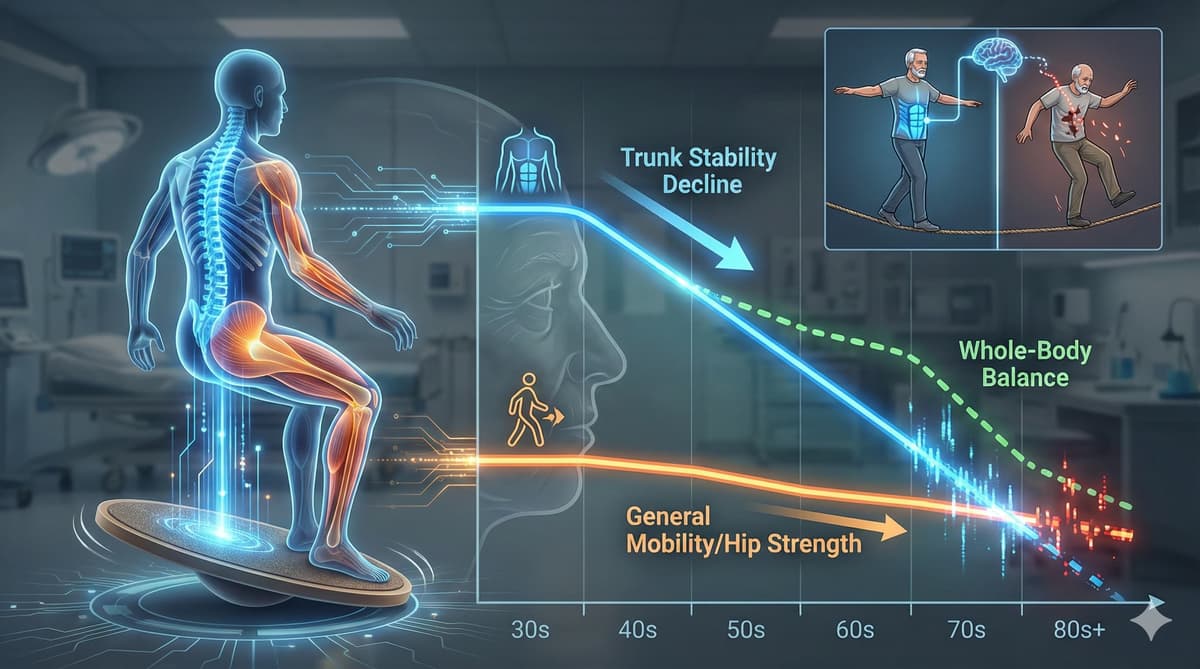
Core Stability: The Silent Biomarker of Aging That Outpaces Mobility and Strength
A new “Neuromuscular Core Calibration” protocol recommends unstable‑surface training to restore age‑related loss of core proprioception. Meta‑analyses define a minimum effective dose of 2–3 weekly 20‑30‑minute sessions over six weeks, delivering measurable balance gains within 2–4 weeks and muscle density...
Duke‑NUS Study Shows Exercise Can Reverse Age‑Related Muscle Decline via DEAF1 Pathway
Scientists at Duke‑NUS Medical School, together with Singapore General Hospital and Cardiff University, published in PNAS that exercise lowers the DEAF1 gene, rebalancing the mTORC1 pathway and reversing age‑related muscle loss. The discovery offers a molecular explanation for why training...