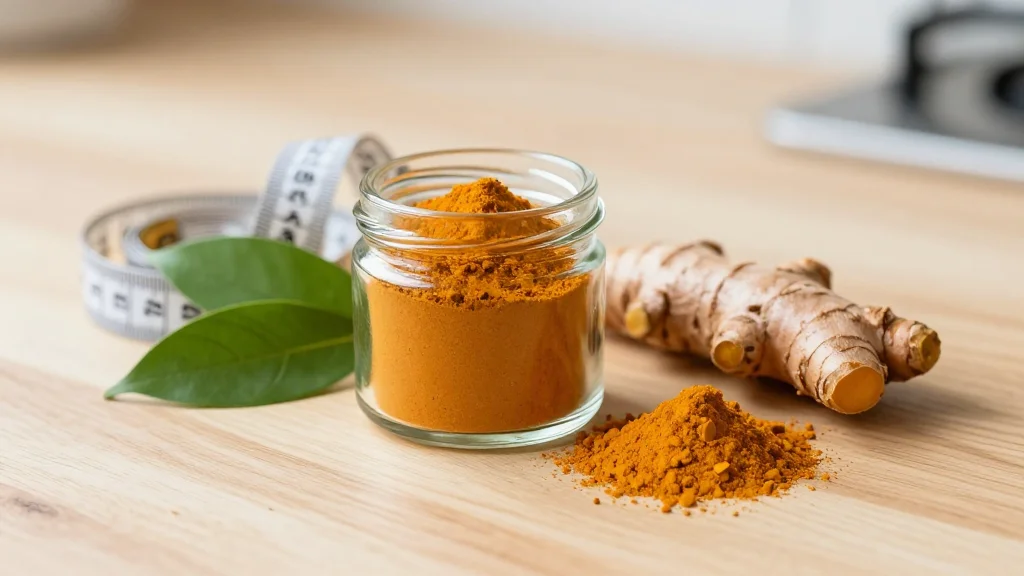
Can Turmeric Improve Body Composition? Here’s What 20 Clinical Trials Reveal
Why It Matters
Turmeric offers a low‑cost, evidence‑backed adjunct for managing abdominal fat and metabolic risk in prediabetic and diabetic populations, a segment where even modest improvements can curb disease progression.
Key Takeaways
- •~2 kg (4.4 lb) weight loss with turmeric supplementation
- •Waist circumference shrank 2–3 cm, indicating reduced abdominal fat
- •Body fat percentage decreased in prediabetes and type 2 diabetes groups
- •Effects observed without significant BMI change, targeting fat distribution
- •Bioavailable curcumin formulations (piperine) enhance metabolic benefits
Pulse Analysis
The nutraceutical market has surged as consumers seek functional foods that deliver measurable health outcomes. Turmeric, long celebrated for its anti‑inflammatory properties, now joins the ranks of evidence‑based supplements after a comprehensive meta‑analysis of 20 trials involving thousands of participants with prediabetes or type 2 diabetes. By aggregating data across diverse study designs, the review provides a statistically robust picture of modest yet consistent reductions in body weight, waist size, and body‑fat percentage, underscoring turmeric’s potential as a metabolic aid.
At the cellular level, curcumin—the active polyphenol in turmeric—interacts with several pathways that govern energy balance. Activation of AMP‑activated protein kinase (AMPK) acts as a metabolic master switch, enhancing fatty‑acid oxidation while suppressing lipogenesis. Simultaneously, curcumin hampers the maturation of pre‑adipocytes, curbing the formation of new fat cells, and stimulates brown‑fat thermogenesis, which increases calorie expenditure. Its potent anti‑oxidant and anti‑inflammatory actions further mitigate insulin resistance, creating a synergistic environment for healthier fat distribution.
For practitioners and consumers, the findings translate into practical guidance. Supplements formulated with piperine or other bioavailability enhancers are more likely to achieve therapeutic curcumin levels than culinary use alone. A daily dose delivering roughly 500‑1,000 mg of curcumin, taken with meals, aligns with the dosages examined in the trials. Nonetheless, turmeric should complement—not replace—core lifestyle pillars: balanced nutrition, regular physical activity, adequate sleep, and stress management. As the evidence base expands, clinicians may consider recommending standardized curcumin products as part of a comprehensive strategy to curb abdominal obesity and its metabolic sequelae.
Can Turmeric Improve Body Composition? Here’s What 20 Clinical Trials Reveal
Comments
Want to join the conversation?
Loading comments...