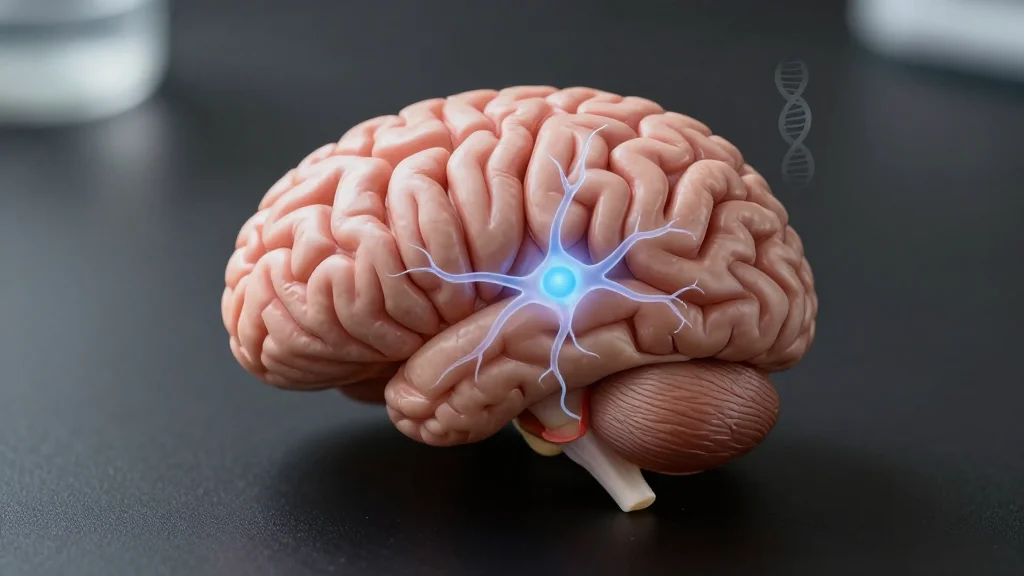
NIH Finds Unique Brain Cell Signature in 80‑Plus ‘SuperAgers’, Opening Door to Cognitive Biohacking

Why It Matters
The NIH’s identification of a distinct molecular and network profile in SuperAgers provides the first concrete biological target for interventions aimed at preserving memory in later life. For the biohacking sector, which often relies on anecdotal or animal‑model data, this human‑based evidence offers a credible foundation for developing cognitive‑enhancement protocols. Moreover, the link between sustained neurogenesis and memory performance could reshape how clinicians approach early‑stage Alzheimer’s prevention, shifting focus from symptom management to cellular rejuvenation. Beyond therapeutic development, the study fuels a broader conversation about the ethics of cognitive enhancement. If the molecular hallmarks of SuperAger brains can be replicated through drugs, gene therapy, or lifestyle regimens, society will need to grapple with questions of access, fairness, and long‑term safety. The NIH’s involvement signals that these issues will soon move from the fringe of DIY biohacking into mainstream biomedical discourse.
Key Takeaways
- •NIH team analyzed >350,000 post‑mortem brain cells from SuperAgers and controls.
- •SuperAgers showed a unique molecular makeup in newly formed neurons and higher neurogenesis.
- •Brain‑network imaging revealed stronger hippocampal‑prefrontal connectivity in SuperAgers.
- •Study co‑lead Dr. Orly Lazarov highlighted therapeutic potential for memory‑boosting drugs.
- •Next steps include larger cohorts, longitudinal imaging, and testing of candidate compounds.
Pulse Analysis
The SuperAger discovery marks a rare convergence of cellular neuroscience and real‑world cognitive performance, a combination that has long eluded the biohacking field. Historically, attempts to enhance memory have focused on peripheral mechanisms—nootropics that modulate neurotransmitter levels or lifestyle hacks that improve sleep. This NIH report shifts the paradigm toward a deeper, cell‑level understanding, suggesting that true cognitive resilience may be rooted in the brain’s capacity to generate and maintain new neurons well into the ninth decade of life.
From a market perspective, the findings could catalyze a wave of investment in neurogenesis‑targeted therapeutics. Venture capital has already shown appetite for companies pursuing brain‑health interventions, and a clear human biomarker—like the SuperAger molecular signature—provides a tangible endpoint for drug development. Companies that can demonstrate the ability to up‑regulate the identified gene‑expression patterns may secure fast‑track designations from regulators eager to address the looming dementia epidemic.
For the DIY community, the report offers both opportunity and caution. While the data validates the premise that certain lifestyle choices (e.g., aerobic exercise, enriched environments) can support neurogenesis, the precise molecular levers remain undefined. Premature self‑administration of experimental compounds could pose safety risks, underscoring the need for clear guidelines and perhaps a new class of certified biohacking protocols overseen by medical professionals. In the coming years, the line between regulated therapeutics and self‑directed cognitive enhancement is likely to blur, making the NIH’s SuperAger blueprint a pivotal reference point for both science and society.
NIH Finds Unique Brain Cell Signature in 80‑Plus ‘SuperAgers’, Opening Door to Cognitive Biohacking
Comments
Want to join the conversation?
Loading comments...