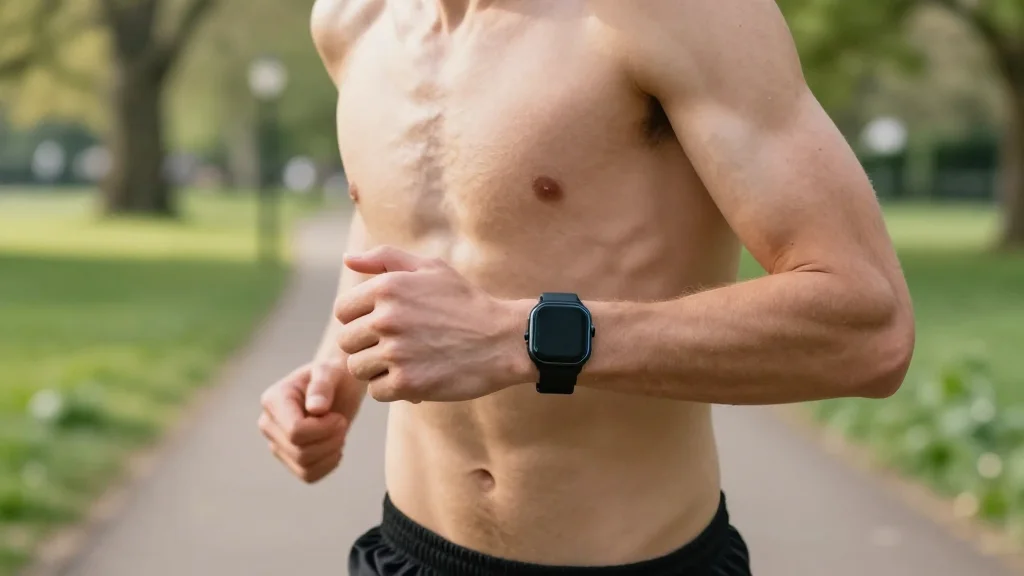
UK Runners Embrace VO2 Max as Longevity Metric, Fueling New Training Trend

Companies Mentioned
Why It Matters
VO2 max is emerging as the most actionable bridge between exercise performance and long‑term health outcomes. By translating complex cardiovascular physiology into a single, trackable number, the metric empowers individuals to make data‑driven lifestyle choices that could meaningfully extend lifespan. For public health policymakers, the metric offers a concrete target for population‑level interventions aimed at reducing mortality risk. The commercial ripple effect is equally significant. Wearable manufacturers are differentiating their ecosystems around VO2 max accuracy, while sports labs and coaching services are monetising testing and personalised training. If the trend solidifies, it could reshape how the fitness industry markets products, measures success, and collaborates with healthcare providers.
Key Takeaways
- •A 2018 JAMA study linked low VO2 max to a 5.04‑times higher all‑cause mortality risk.
- •UK runners are now comparing VO2 max numbers at parkrun events, aided by wearable tech.
- •A treadmill VO2 max test at a Surbiton lab costs £180 (≈ $225).
- •High‑intensity interval training and tempo runs are the two protocols most endorsed for VO2 max improvement.
- •Wearable makers Garmin, Polar, Coros and Apple have added VO2 max or “Cardio Fitness” estimates to their devices.
Pulse Analysis
The rapid adoption of VO2 max among UK runners reflects a broader shift from performance‑centric metrics (pace, distance) to health‑centric ones (mortality risk, longevity). Historically, fitness culture prized short‑term gains; the current wave leverages epidemiological data to reframe exercise as a prescription for lifespan extension. This reframing is amplified by the convergence of three forces: compelling scientific evidence, high‑profile advocacy (e.g., Peter Attia’s *Outlive*), and consumer‑grade technology that makes a once‑lab‑only measurement visible on the wrist.
From a market perspective, the VO2 max craze creates a new competitive frontier. Companies that can deliver more accurate estimates will likely capture a premium segment of health‑conscious consumers, while those that lag may see churn to rivals. Moreover, the rise of data‑driven coaching platforms could disrupt traditional gym memberships, as athletes seek personalised, metric‑focused guidance. However, the reliance on imperfect wearable algorithms introduces risk: over‑optimistic users may misinterpret marginal improvements as health breakthroughs, potentially eroding trust if discrepancies surface.
Looking ahead, the metric’s integration into public health policy could be a game‑changer. If agencies adopt VO2 max thresholds for fitness guidelines, we may see a cascade of insurance incentives, workplace wellness programs, and even school curricula built around the number. The key question remains whether the scientific community can standardise measurement across devices and labs fast enough to support such policy ambitions without sacrificing accuracy. The next 12‑18 months will likely determine whether VO2 max becomes a lasting pillar of UK fitness culture or a fleeting fad driven by tech hype.
UK Runners Embrace VO2 Max as Longevity Metric, Fueling New Training Trend
Comments
Want to join the conversation?
Loading comments...