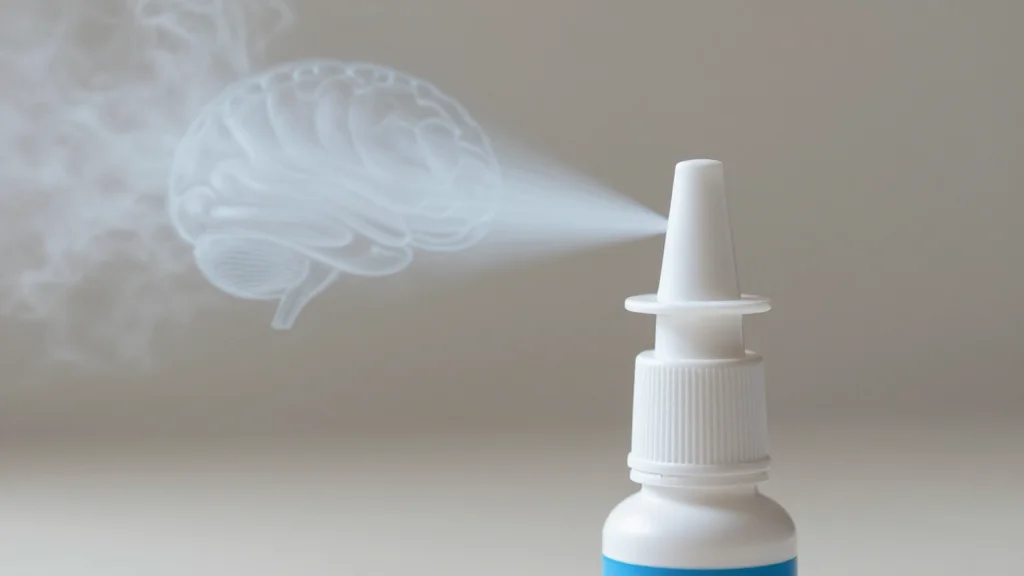
Texas A&M Nasal Spray Reverses Brain Aging Markers in Mice After Two Doses

Why It Matters
The study challenges the long‑standing belief that age‑related neuroinflammation is irreversible, suggesting that targeted EV delivery can reset microglial activity and restore brain function. For the biohacking sector, a non‑invasive, easily administered therapy could democratize access to cognitive enhancement, shifting the focus from expensive, clinic‑based interventions to at‑home solutions. At the same time, the findings raise regulatory and safety questions about the rapid diffusion of such technologies outside traditional clinical pathways, highlighting the need for robust oversight as the field matures. Beyond individual health, the research could catalyze a broader industry pivot toward extracellular‑vesicle platforms for neurological disorders, potentially accelerating drug development pipelines for Alzheimer’s, Parkinson’s, and other age‑related conditions. By demonstrating a viable route to cross the blood‑brain barrier without surgery, the work may also inspire new delivery strategies for a range of CNS therapeutics, expanding the therapeutic toolbox for both biotech firms and academic labs.
Key Takeaways
- •Two nasal spray doses of stem‑cell‑derived EVs reversed neuroinflammation in aged mice.
- •Memory improvements persisted for months after treatment.
- •Study funded by the National Institute on Aging and published in the Journal of Extracellular Vesicles.
- •EVs travel via the olfactory nerve, bypassing the blood‑brain barrier.
- •Human trials are still pending; biohacker interest is high but regulatory concerns remain.
Pulse Analysis
The Texas A&M breakthrough arrives at a moment when the anti‑aging market is hungry for interventions that go beyond symptom management. Historically, most brain‑targeted therapies have stumbled at the blood‑brain barrier, forcing developers into invasive delivery methods that limit scalability. By leveraging extracellular vesicles—a naturally occurring communication system—researchers have sidestepped that obstacle, offering a biologically elegant solution that could be mass‑produced at lower cost than viral vectors or monoclonal antibodies.
From a market perspective, the proof‑of‑concept could trigger a wave of venture funding into EV platforms focused on neurology. Investors have already poured capital into companies like Exo Therapeutics and Aegle Therapeutics; a successful brain‑targeted EV could validate the broader modality and attract strategic partnerships with big pharma seeking to diversify their neuro‑degenerative pipelines. However, the path from mouse to human is fraught with translational risk. Scaling EV isolation while preserving functional cargo, ensuring batch‑to‑batch consistency, and meeting Good Manufacturing Practice (GMP) standards are non‑trivial challenges that could delay commercialization.
For the biohacking community, the allure of a DIY nasal spray is undeniable, but it also underscores a growing tension between rapid innovation and responsible use. Unregulated distribution of EV‑based products could outpace safety data, potentially leading to adverse events that erode public trust. Policymakers may need to craft nuanced frameworks that allow experimental use under controlled conditions while preventing premature market entry. Ultimately, the study’s significance lies not only in its scientific novelty but in how it forces the entire ecosystem—researchers, investors, regulators, and end‑users—to confront the ethical and practical implications of brain rejuvenation technologies.
Texas A&M Nasal Spray Reverses Brain Aging Markers in Mice After Two Doses
Comments
Want to join the conversation?
Loading comments...