Today's Biohacking Pulse

Study Links Common Cognitive Supplement L‑Tyrosine to Shorter Lifespan
Researchers analyzing data from over 250,000 UK Biobank participants found that genetically higher L‑tyrosine levels are associated with a reduced lifespan, particularly in men who lived about one year less on average. The Mendelian randomization approach isolated tyrosine’s effect, showing it to be more detrimental than its precursor phenylalanine.

Taurine Boosts Power and Endurance in Hot-Weather Workouts, Study Finds
Researchers gave 16 college athletes 1, 4 or 6 grams of taurine before high‑intensity cycling in 89°F, 60% humidity conditions. The amino acid helped maintain power output and extend time‑to‑exhaustion, with men benefiting most from 6 g and women from 1‑4 g. The findings offer a concrete, low‑cost biohack for heat‑trained athletes.

Insilico and Human Longevity Launch Multimillion‑dollar AI Eye‑scan to Flag Disease Years Early
Insilico Medicine and Human Longevity announced a multimillion‑dollar partnership to build an AI‑driven eye‑scan platform that could identify cancer, heart disease and neurodegeneration long before clinical symptoms. The collaboration taps Insilico’s generative‑AI expertise and Human Longevity’s decade‑long patient data library,...

Epax’s Cetoleic Acid Supplement Shows Promise for Cardiovascular Health
Researchers at the University of Bergen found that an eight‑week regimen of Epax’s cetoleic acid concentrate (CECO) cut LDL‑cholesterol by 7% in 75 overweight or obese adults. The double‑blind trial gave participants 4 g of the herring‑oil derived supplement daily, matching...
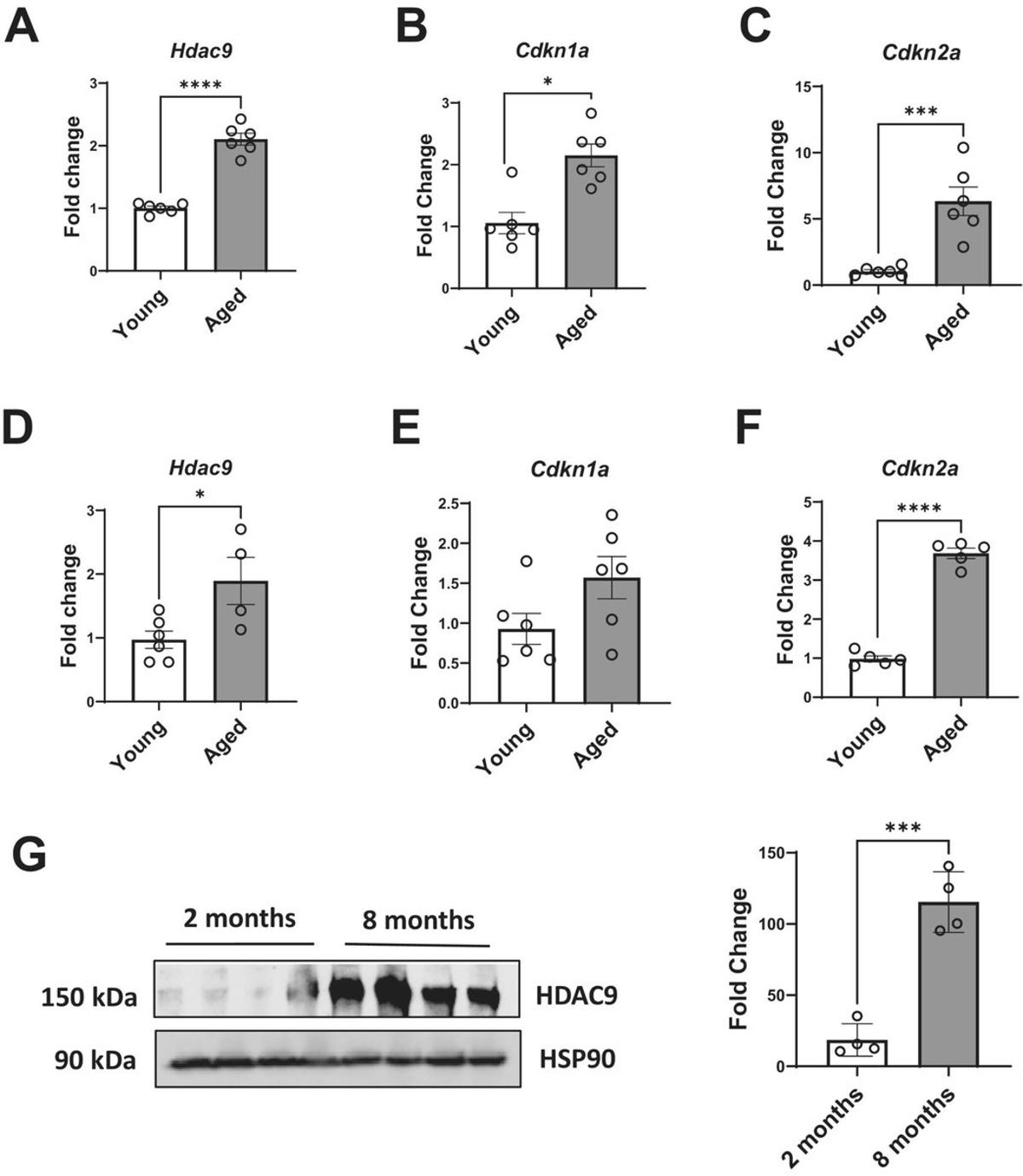
HDAC9 Deletion Reverses Age‑Related Fat Cell Decline
Histone Deacetylase 9 Gene Deletion Ameliorates Aging-Related Adipose Tissue Senescence and Mitochondrial Dysfunction in Mice ...suggesting that targeting HDAC9 may be a promising strategy to maintain healthy adipose tissue during aging." https://t.co/pi1aXAEoeB https://t.co/IB1yUwCaGC
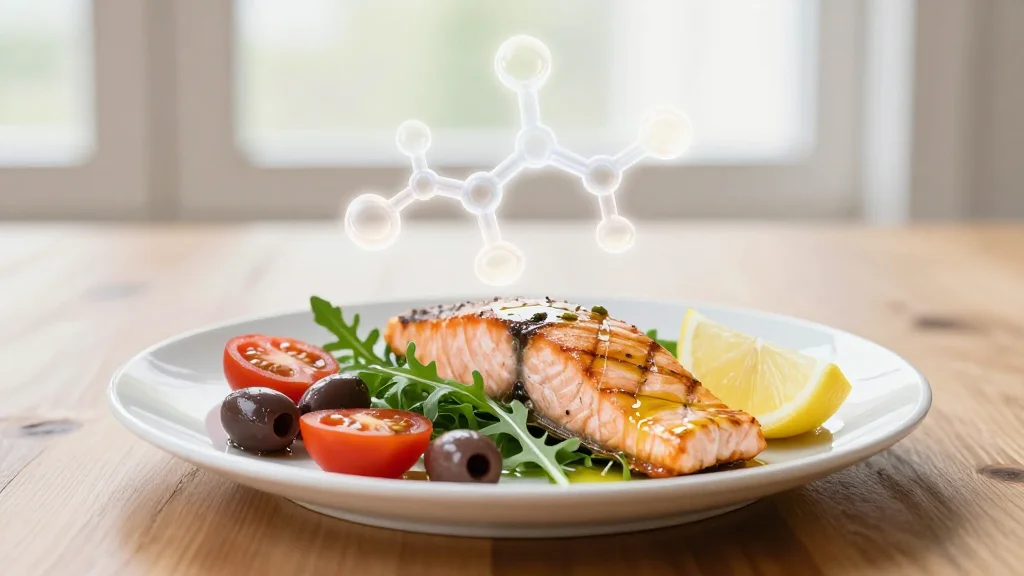
Longevity Meal Plan Meets Study Linking Mediterranean Diet to Longevity Proteins
Joy Bauer unveiled a day‑long longevity meal plan on May 27, 2026, while a new Frontiers in Nutrition study linked the Mediterranean diet to higher levels of the longevity‑associated proteins Humanin and SHMOOSE, underscoring a molecular basis for the diet’s...

Methionine‑Restricted Diet Cuts Ulcerative Colitis in Mice by Rewiring Gut Microbiome
Researchers have shown that a methionine‑restricted diet markedly lessens ulcerative colitis symptoms in mouse models. The benefit stems from a shift in gut microbial composition that restores hydrogen sulfide and short‑chain fatty acid balance. The findings spotlight a dietary lever...

A Better Algorithm for Predicting How Cells Behave
Altos Labs researchers unveiled PRiMeFlow, a flow‑based machine‑learning model that predicts how a cell’s gene‑expression profile will change after genetic or chemical perturbations. Unlike prior methods, PRiMeFlow operates directly in the high‑dimensional expression space instead of compressing data, and it...

UT Southwestern Identifies HELZ2 Liver Switch That Halts Cholesterol Production
UT Southwestern scientists have pinpointed HELZ2, a liver protein that destroys the messenger RNA for apoB, effectively stopping cholesterol synthesis before particles form. The discovery, validated in mouse models, could spawn a new class of cardiovascular drugs and reshape biohacking...

Electrical Pulses Reverse Aging in Sea Squirts, Offering Clues for Extending Human Longevity
Scientists at Stanford have shown that brief electrical pulses can reverse aging markers in sea squirts, extending their laboratory lifespan from months to several years. The 15‑minute treatment triggers a rapid shutdown and rebound of gene expression, effectively rebooting stem‑cell...

AI Suggests Simple Food Swaps to Make Meals Healthier and Cheaper
A University of California, Davis research team trained a generative AI model to suggest one to three ingredient swaps for everyday meals. Using 135,491 meals logged by 55,228 adults, the AI created alternatives that were 47% closer to USDA nutritional...
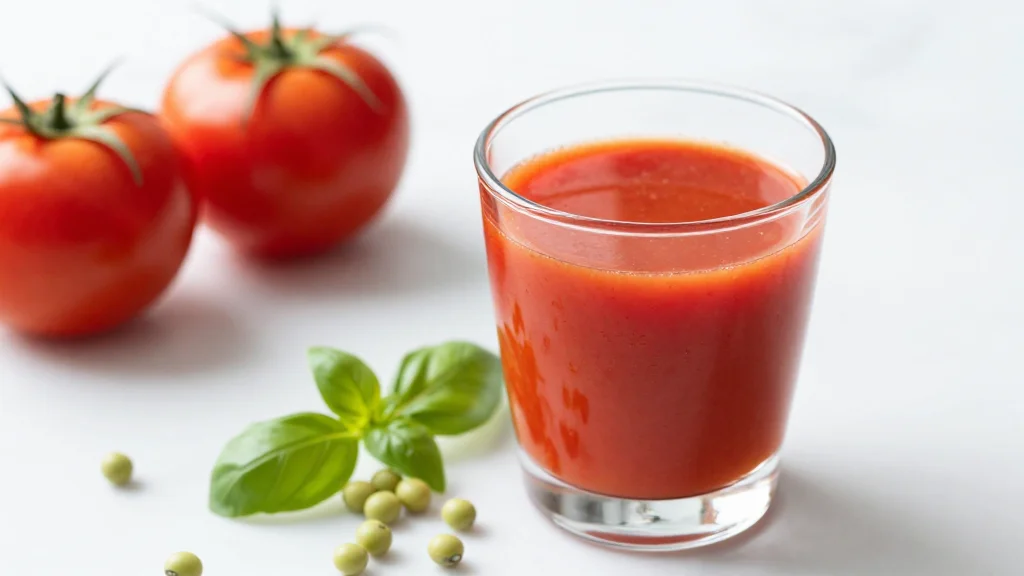
Tomato‑Soy Juice Cuts Inflammation Markers in Obese Adults, Study Finds
Researchers at Ohio State University reported that a daily glass of lycopene‑rich tomato‑soy juice lowered three pro‑inflammatory cytokines in twelve obese participants after four weeks. The finding adds scientific weight to biohackers’ focus on functional foods for metabolic health.

7-Day Water Fast Study Reveals What Really Happens to Your Body
A new study from Queen Mary University in London examined the molecular effects of a seven‑day water fast in 12 healthy volunteers, tracking roughly 3,000 circulating proteins. The researchers found that major protein changes, especially in extracellular matrix and brain‑related...

He Trains MVPs and UFC Champions. His Advice for the Rest of Us Is Shockingly Simple.
Dr. Andy Galpin, a leading performance scientist, turned a Two Percent writer into a lab subject before an 850‑mile hike, collecting blood, saliva and urine samples before, during and after the trek. The data revealed dramatic, weeks‑long shifts in hormones,...

A One-Time Experimental Treatment Might Control Cholesterol for Life
Verve Therapeutics, an Eli Lilly subsidiary, reported early‑stage results for its one‑time gene therapy VERVE‑102, which edits the PCSK9 gene in liver cells. In a dose‑escalation study of 35 participants, LDL cholesterol fell between 9% and 62% after a single infusion,...
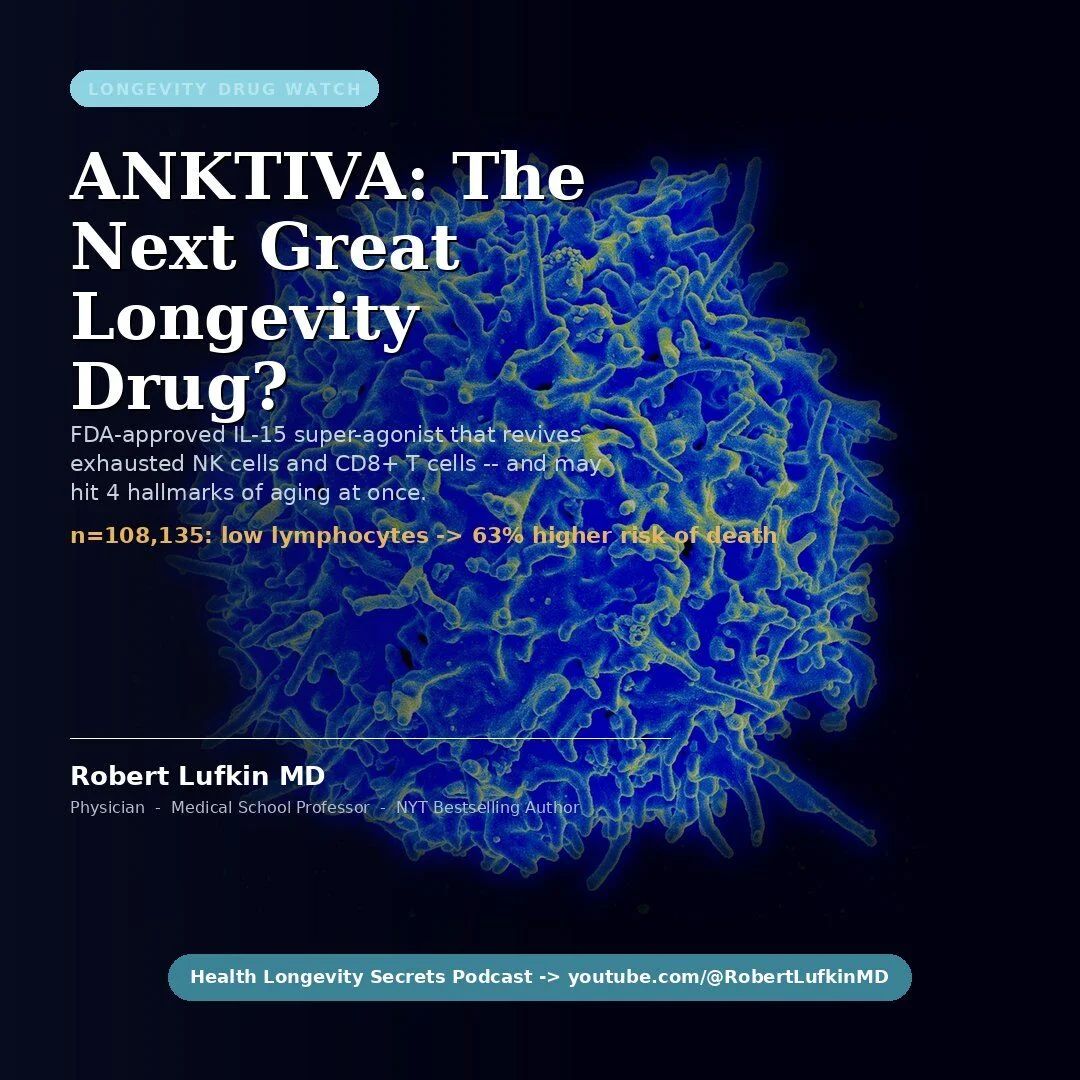
IL-15 Super‑Agonist ANKTIVA: Longevity’s Hidden Cancer Breakthrough
In 2024 the FDA approved a drug for bladder cancer. It is now the most interesting molecule in longevity medicine that no one is talking about. The drug is ANKTIVA - an IL-15 super-agonist. IL-15 is the body's signal for keeping...

Study Finds Pitching Mechanics Can Cut Elbow Stress Without Slowing Fastballs
University of Waterloo researchers demonstrated that altering arm slot and torso tilt can markedly reduce stress on a pitcher’s ulnar collateral ligament while maintaining elite‑level velocity. The findings arrive as Major League Baseball grapples with a surge in career‑threatening elbow...

Biogen-Ionis Tau Antisense Drug Shows Cognitive Slow‑down in Early Alzheimer’s Phase 2
Biogen and Ionis announced that diranersen, an antisense therapy targeting tau protein, slowed cognitive decline and cut brain tau biomarkers in a 416‑patient Phase 2 study of early Alzheimer’s disease. The dual signal of biological impact and clinical benefit could...
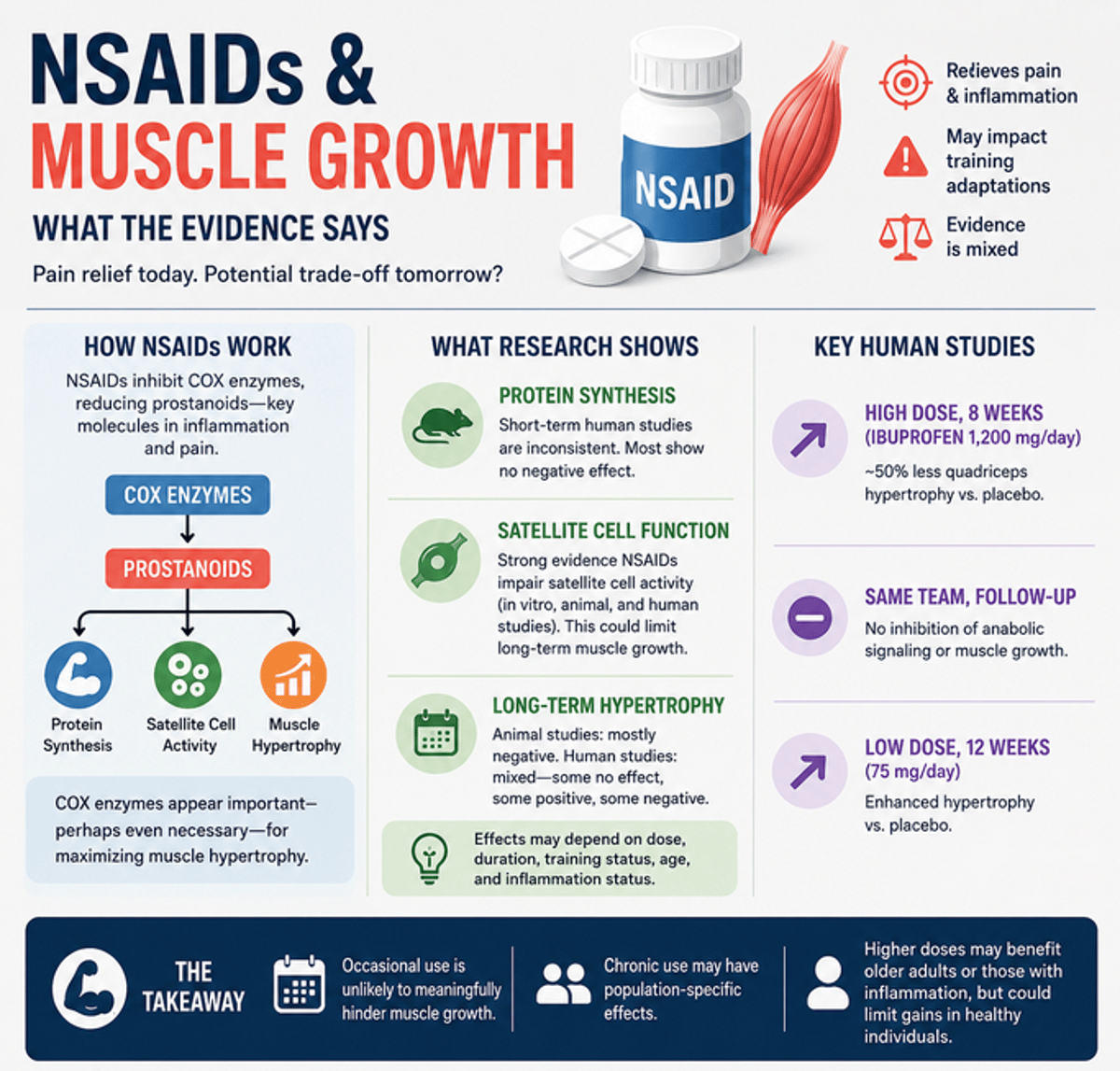
Chronic NSAIDs May Hinder Muscle Growth, Occasional Use Safe
Millions of people routinely take nonsteroidal anti-inflammatory drugs (NSAIDs), such as Advil and Motrin, with usage being especially common among individuals who exercise. Emerging research shows that NSAIDs effectively reduce pain and inflammation, but may influence muscle-building processes. Here are some...

Early Adult Fitness Linked to More Elastic Arteries at Age 63, Study Finds
Researchers at Karolinska Institutet reported that individuals with higher aerobic fitness at ages 34 and 52 have significantly more elastic arteries at age 63. The longitudinal analysis of 425 participants shows the benefit persists after adjusting for blood pressure, weight,...

Universal Transcriptomic Clocks Predict Lifespan Across Mammals
A team led by Alexander Tyshkovskiy published a Nature study analyzing more than 11,000 transcriptomes from mice, rats, monkeys and humans, unveiling universal transcriptomic aging clocks that forecast biological age and mortality risk across species. The findings promise a common metric...

How Breathing Shapes Sleep, Stress, Performance, & Longevity | Patrick McKeown
In the Ready State Podcast, breathing specialist Patrick McKeown explains how the 20,000 daily breaths we take shape sleep quality, stress levels, athletic performance, and long‑term health. He reveals that most people chronically over‑breathe, reducing CO₂ tolerance and impairing the nervous...

Stanford Researchers Block Aging Enzyme to Regrow Knee Cartilage, Launch Oral Trials
Stanford University scientists led by Helen Blau and Nidhi Bhutani have demonstrated that an injection blocking the aging enzyme 15-PGDH can regenerate knee cartilage in aged mice and human tissue samples. The breakthrough, which also boosted muscle mass and endurance,...

NAD⁺ Depletion Drives Heart Disease; Supplementation Shows Promise
Role of nicotinamide adenine dinucleotide in cardiovascular disease "This review explains how nicotinamide adenine dinucleotide (NAD⁺), a central redox cofactor in energy metabolism, is involved in cardiovascular diseases. It summarizes evidence that NAD⁺ levels are reduced in cardiovascular diseases, including heart failure,...
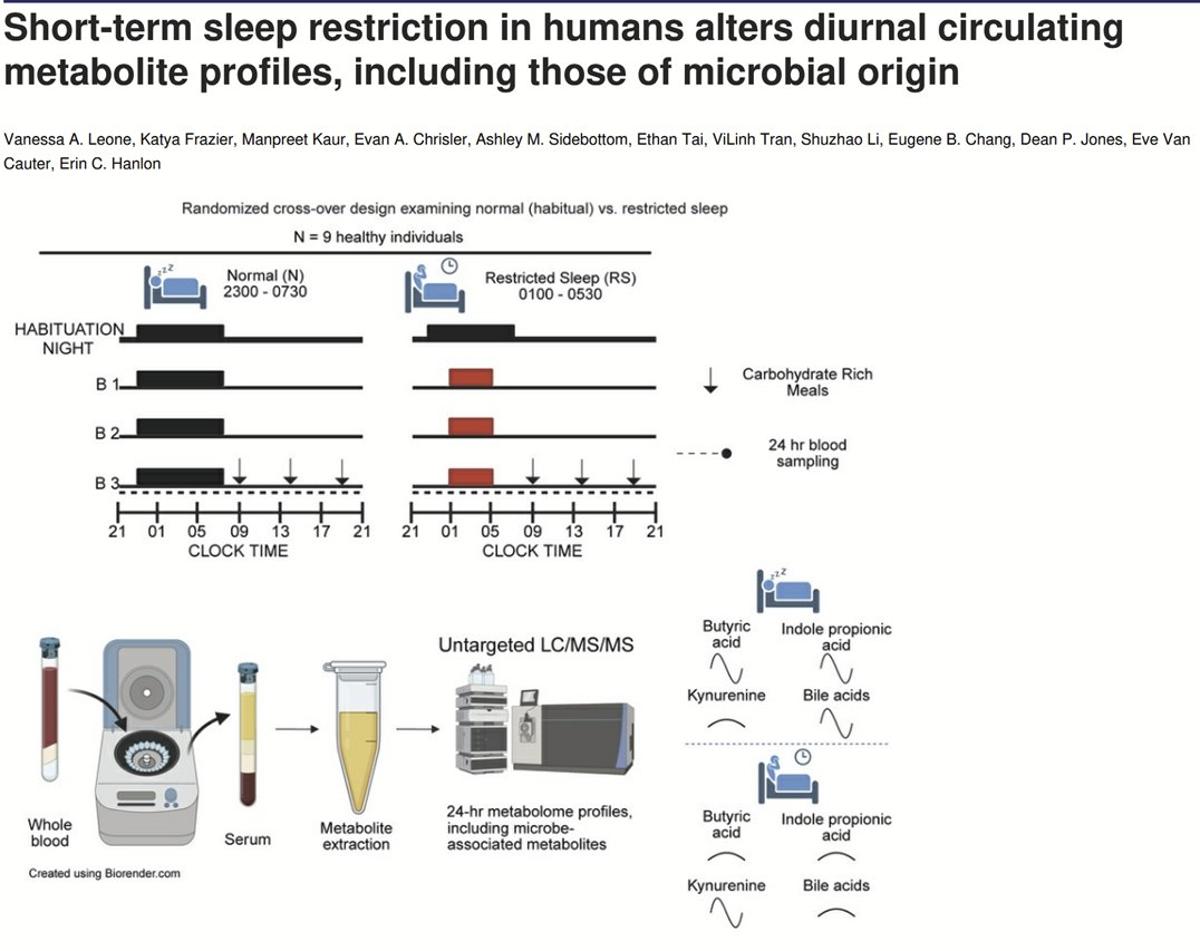
Sleep Deprivation Disrupt
Sleep loss reshapes not only the brain, but also the chemistry of the gut–microbiome axis. Restricted sleep disrupted daily rhythms of microbial metabolites in human blood—including butyrate and indole-3–propionic acid—linking poor sleep to altered metabolism and potential long-term health risks....

Study Finds Non‑Exercise Activities Cut Frailty Risk by Up to 4% in Seniors
Australian researchers tracking 12,862 adults over 11 years found that cognitively engaging activities such as chess reduced frailty risk by about 4%. The findings give biohackers evidence‑based alternatives to exercise for slowing biological aging.

You Are What Your Parents Eat
The article argues that a child’s health is shaped not only by what they eat, but also by the dietary habits of their parents before and during pregnancy. It highlights historical practices—such as Maori women seeking nutrient‑dense shellfish—and modern research...

How Exercise Boosts Longevity, Prolongs the Health Span: Latest Evidence
Recent research underscores exercise as a critical lever for healthy aging. A PNAS study revealed that aerobic and resistance workouts trigger FOXO genes, counteracting DEAF1‑driven muscle decline. A six‑month trial with adults averaging 72 showed high‑intensity interval training (HIIT) uniquely...

Sidewinder DNA Synthesis Cuts Errors to 1 in 10 Million, Accelerates AI‑Designed Genomes
Scientists have unveiled Sidewinder, a DNA‑synthesis technique that can assemble dozens of sequences in a single tube with an error rate of one mistake per 10 million joins. The method uses inexpensive raw materials and promises to make AI‑designed genomes affordable...
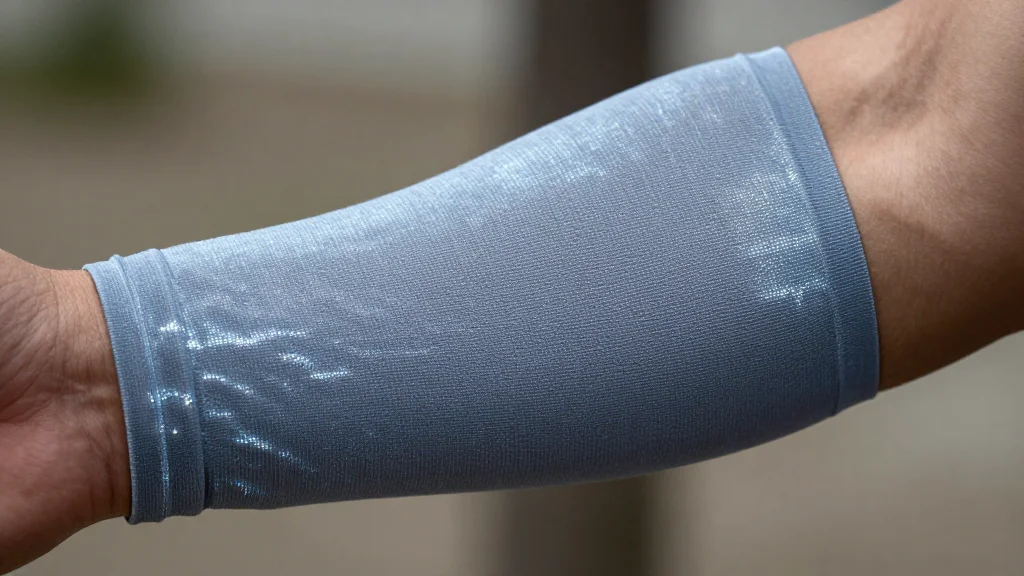
Korean Institute Unveils Fabric Robot That Boosts Strength 40%
Scientists at Korea Institute of Machinery and Materials (KIMM) announced a wearable robot fabric that can raise a user’s strength by up to 40%. The breakthrough uses ultra‑thin shape‑memory alloy fibers woven into cloth, offering a lightweight, low‑power alternative to...

Scientists Decode Greenland Shark Genome, Uncover Genetic Clues to 400‑Year Lifespan
An international research team has released a chromosome‑level, 5.9‑gigabase genome of the Greenland shark, the longest‑lived vertebrate, identifying unique histone H1.0 substitutions and gene pathways that may underpin its 392‑year lifespan. The findings offer a fresh genetic framework for biohackers...

Texas A&M Nasal Spray Reverses Brain Aging in Weeks, Restores Memory
Researchers at Texas A&M University announced that an experimental nasal spray delivered in just two doses reversed key markers of brain aging and restored memory performance in animal models within weeks. The therapy targets chronic neuroinflammation using extracellular vesicles loaded...
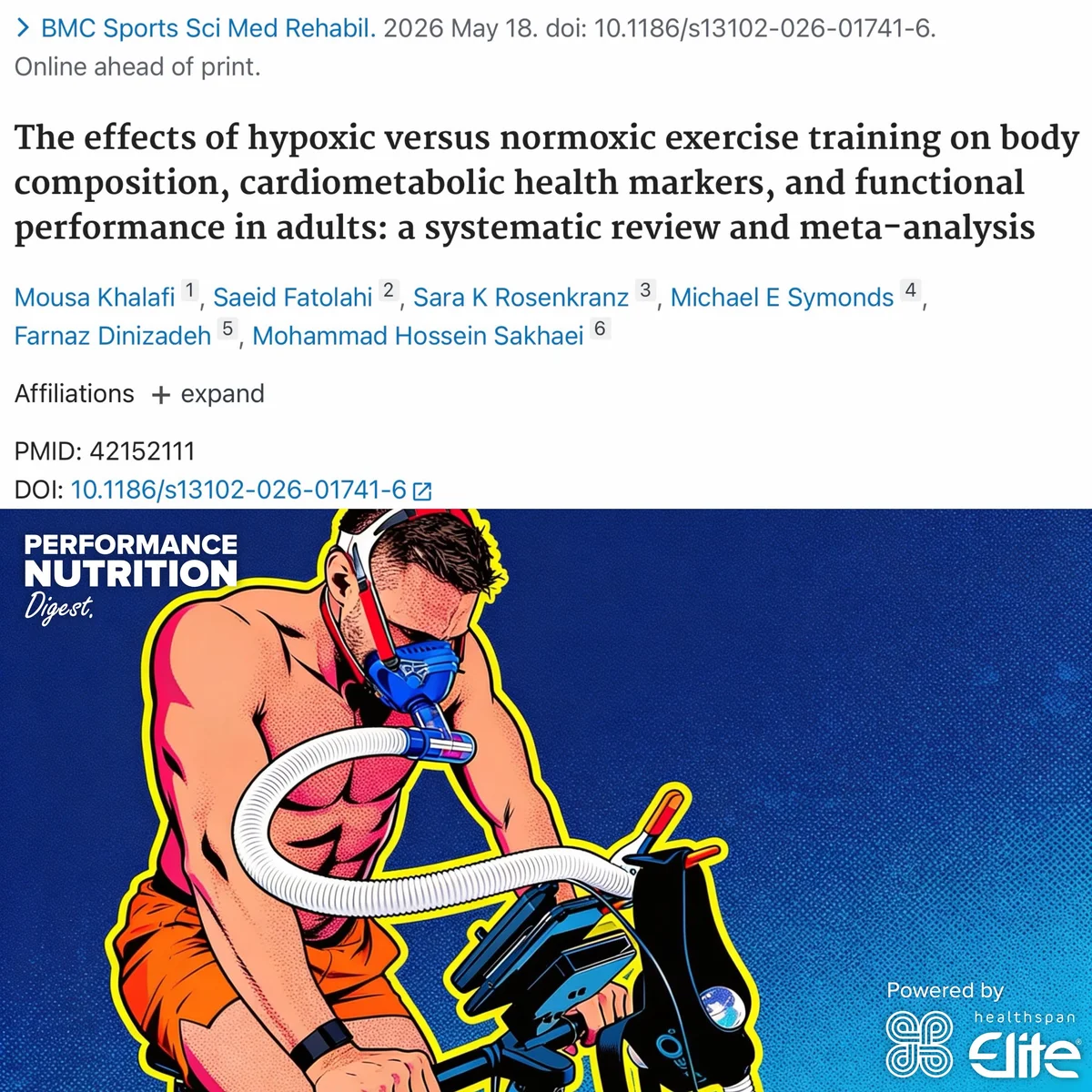
Hypoxic Training Cuts Fat, Boosts VO₂max
Does hypoxic training improve athletic performance outcomes? New meta-analysis 😮💨 This new meta-analysis compiled data from 43 studies (1154 participants) to establish the effects of hypoxic vs normoxic training on… 🩻 Body composition 🫀Cardiometabolic health ⚡️ Functional performance Results 📊 Overall, compared to normoxia, hypoxic training...
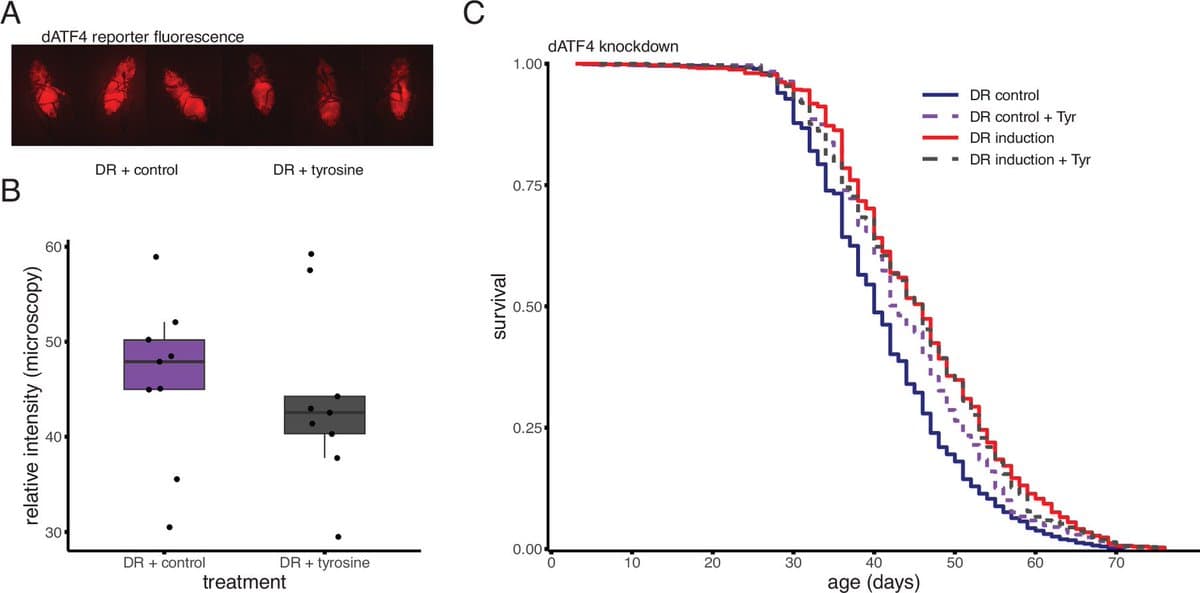
Suppressing GCN2‑ATF4 Pathway Extends Fly Lifespan
Suppression rather than activation of the integrated stress response (GCN2-ATF4) pathway extends lifespan in the fly https://t.co/3VBtZMHIsy https://t.co/ZAdJTc0bvL
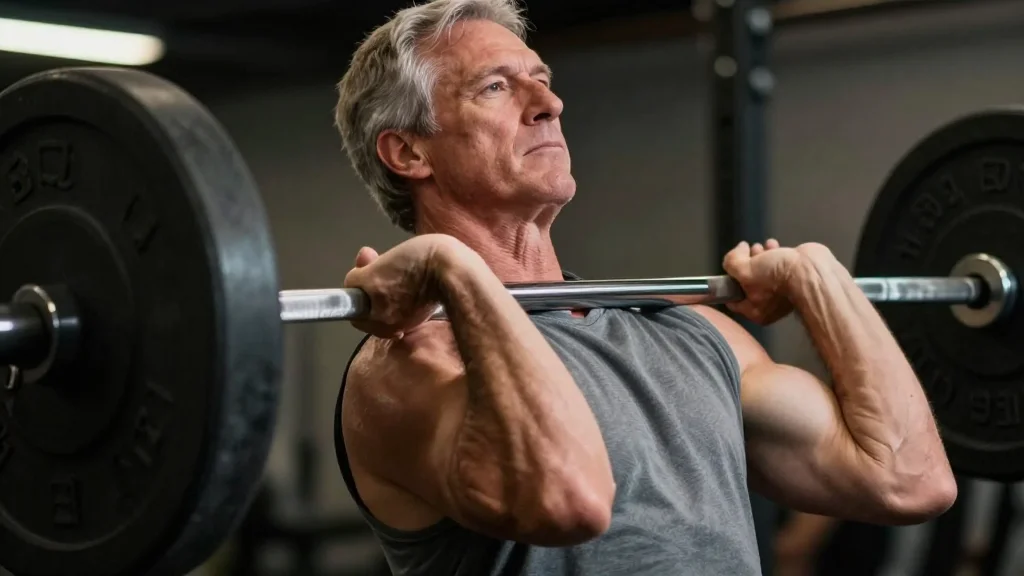
Masters Lifters Lose Strength Three Times Slower Than Non‑Trainers, Study Shows
Researchers at Edith Cowan University analyzed 9,259 drug‑tested raw powerlifters over 17 years and found that masters lifters lose strength about three times slower than non‑trainers. The finding challenges conventional training stage models and suggests new approaches for aging athletes.
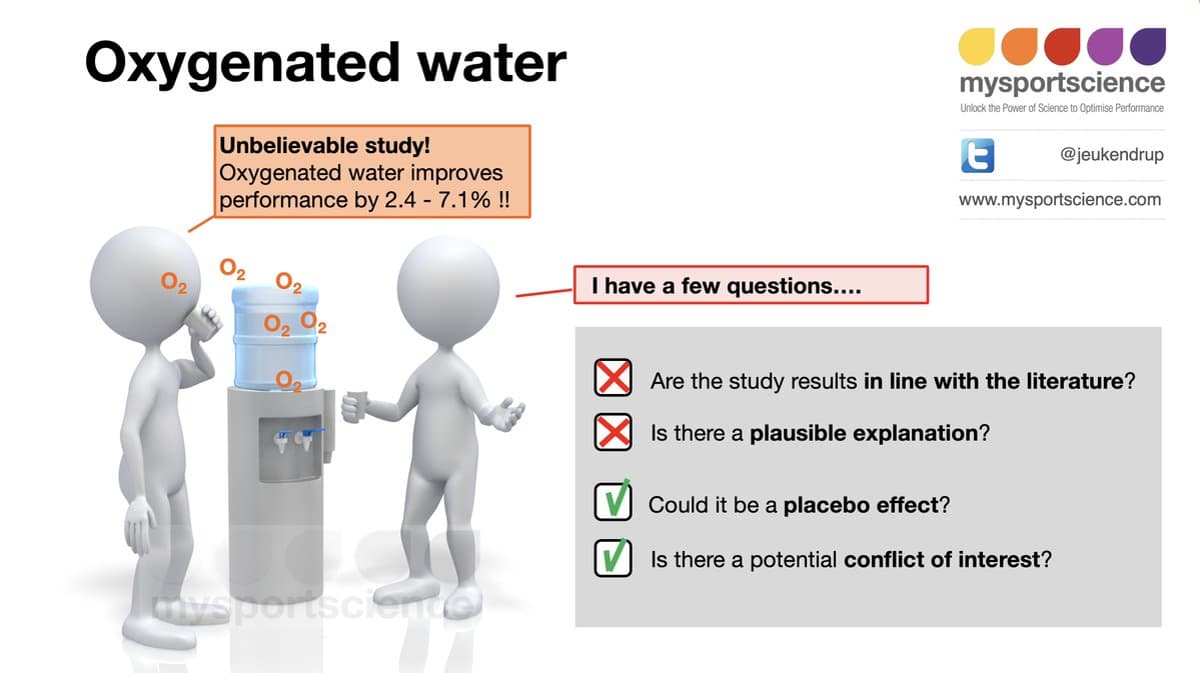
Oxygenated Water Boosts Cycling Performance, Study Shows
Can oxygenated water improve athletic performance? In this blog, Dr Nick Tiller and I discuss findings from a study showing oxygenated water improves cycling performance... Read here: https://t.co/CdDx9avfs2 https://t.co/cYjadZ75cr
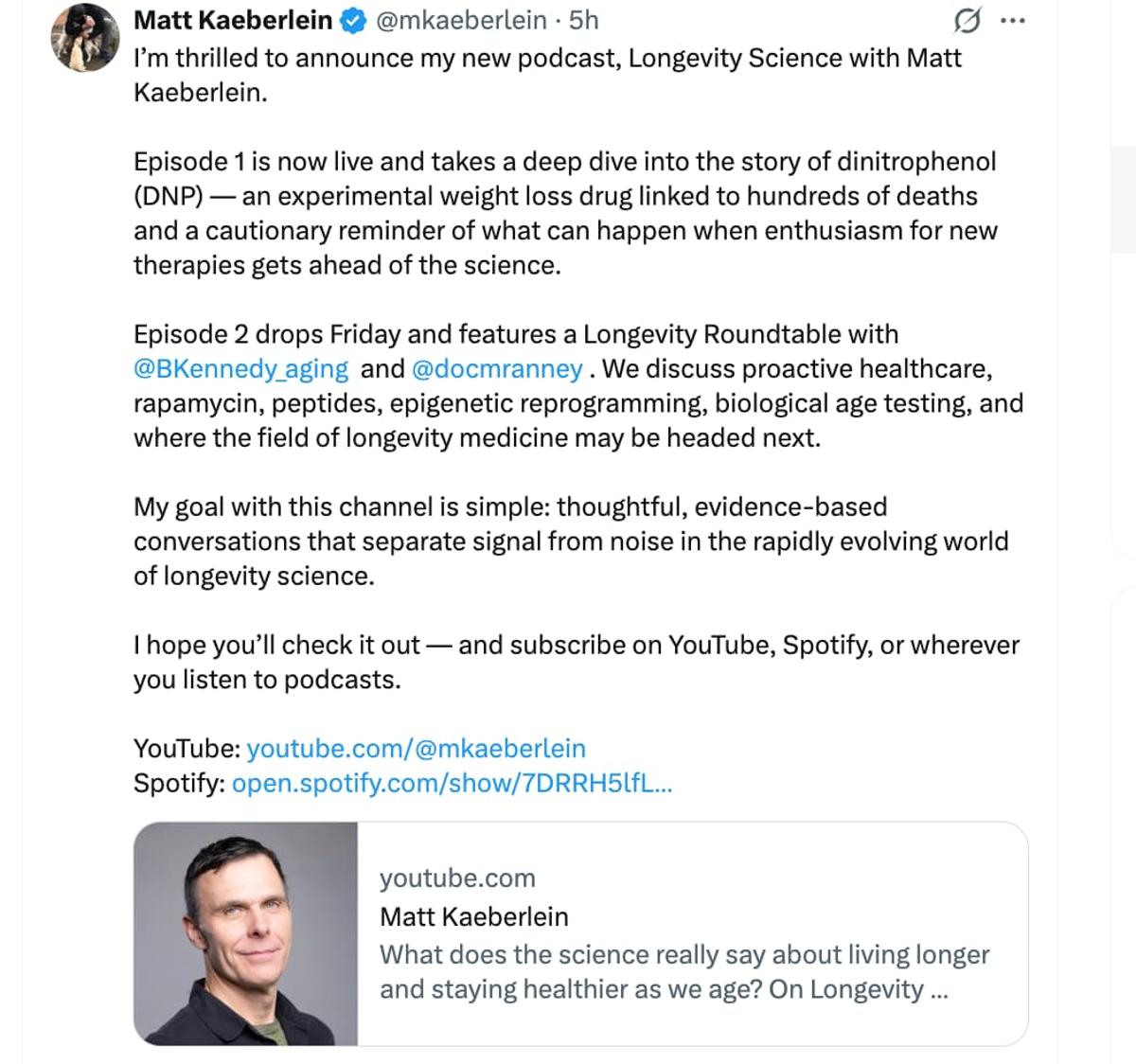
Matt Kaeberlein's New Longevity Science Podcast / Youtube Channel (May, 2026)
Dr. Matt Kaeberlein’s Longevity Science podcast provides a biochemistry‑focused audit of the burgeoning peptide market, clarifying that true peptides are short amino‑acid chains and excluding compounds like NAD+ and rapamycin. He evaluates leading peptides—synthetic mitochondrial agent Elamipretide and the popular...
Exercise, VO2 Max, and Longevity | Mike Joyner, M.D
The video reviews major HIIT protocols, comparing supramaximal sprint intervals, longer high‑intensity bouts, and low‑volume “exercise snacks.” It finds that longer intervals (e.g., the Norwegian 4x4) drive superior cardiac remodeling, while the Gibala 1‑minute method offers the best balance of...

Topical Senolytic Navitoclax Clears Zombie Cells, Boosts Wound Healing in Aged Mice
Researchers led by Dr. Daniel S. Roh at Boston University applied a low‑dose topical formulation of the senolytic drug navitoclax to the skin of 24‑month‑old mice. The treatment eliminated up to 15% of senescent cells, triggered a brief inflammatory response,...
30‑Minute Weekly HIIT Study Shows Major Heart Benefits
Researchers at Norway’s Norwegian University of Science and Technology reported that 30 minutes of high‑intensity exercise per week significantly improves heart health and blood‑sugar control. The findings challenge current U.S. guidelines that call for 150 minutes of moderate activity, suggesting...

Ear‑Based Vagus Stimulation Triggers Motor Cortex During Movement, Study Finds
Scientists led by Dane Donegan and Paulius Viskaitis at ETH Zurich demonstrated that brief bursts of ear‑based vagus nerve stimulation delivered during voluntary finger taps selectively activate motor‑cortex activity without broader autonomic changes. The finding, published in the Journal of...

How This Wearable AI Technology Is Helping NBA, NHL and Athletes Everywhere Prevent Injuries
Vancouver‑based Plantiga has rolled out an AI‑driven, in‑shoe sensor platform that records 400 biomechanical data points per second, giving athletes a granular view of stride, load and asymmetry. Colorado Avalanche captain Gabriel Landeskog used the system to monitor his post‑surgery knee,...

Nearly 39,000 Complete 31‑Day Sleep Challenge, Show Measurable Gains in Rest
Almost 39,000 people finished a 31‑day sleep‑habit challenge, reporting tighter sleep schedules, lower resting heart rates and higher heart‑rate variability. The trial, run with WHOOP‑provided data, adds real‑world evidence that simple daily routines can shift circadian alignment and improve recovery.
Key Molecules for Alzheimer’s Prevention: A Deep Dive
Comment “Curious” for the deep dive Today’s letter is a deep dive into the molecules I find most interesting and promising for Alzheimer’s prevention — including several I take myself or recommend to people predisposed to Alzheimer’s disease. This carousel is just...

Growth Hormone for Musculoskeletal System Repair
Human growth hormone (hGH) is heavily promoted for tissue repair, anti‑aging and performance enhancement, yet robust clinical evidence in non‑deficient adults is lacking. While GH replacement is effective for documented deficiency and severe catabolic states, trials show only modest, inconsistent...

Altos Labs' Izpisua Says Aging Is Cellular Identity Loss, Unveils New Data in Madrid
Juan Carlos Izpisua, chief scientific officer of Altos Labs, presented new findings at Spain’s Royal National Academy of Medicine, arguing that aging stems from a loss of cellular identity that can be restored. The lecture, funded by a $3 billion Altos...

Reviewing What Is Known of Mechanisms Driving Individual Variation in Longevity
The review examines why individuals age at different rates, highlighting the interplay of genetics, epigenetics, and environment. It contrasts accelerated‑aging disorders with the biology of centenarians to pinpoint protective and deleterious variants. Emerging mechanisms such as hypoxic adaptation, chromatin remodeling,...
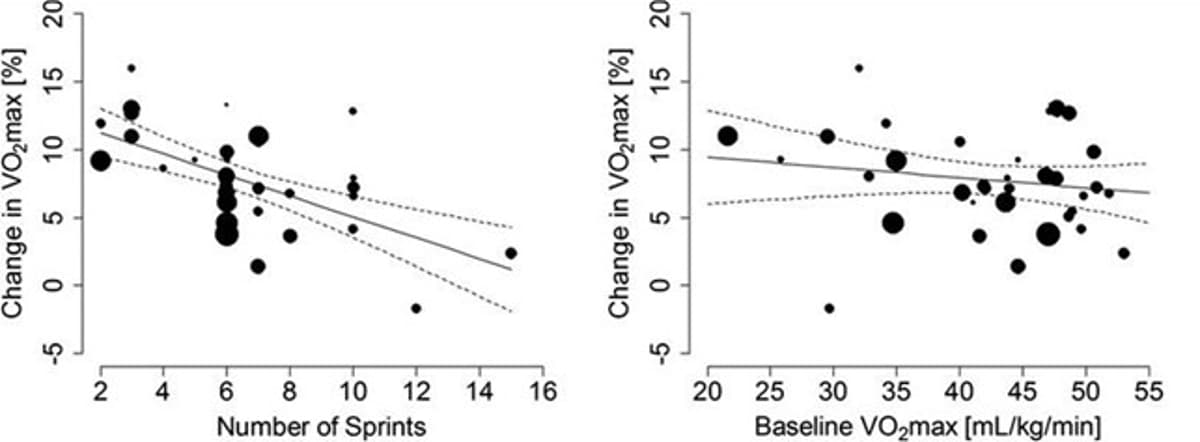
Just 2–3 Sprints Enough; More Reduces VO2 Gains
Just 2–3 all-out sprints may be enough to get most of the cardio fitness benefits of sprint interval training. A meta-analysis of 34 studies found that: - Sprint interval training increased VO2 max by ~8% overall - Doing MORE sprint repetitions did not...

Visceral Fat Loss Reduces Brain Atrophy, Boosts Cognition
Sustained visceral fat loss is associated with attenuated brain atrophy and improved cognitive function in late midlife https://t.co/gavVmRAAgh

Targeting Gut‑Microbiota‑Senescence Axis to Combat Degeneration
Regulatory Mechanisms of Age-related Degenerative Diseases: Insights from the Gut Microbiota-Cellular Senescence Interaction Network "This review systematically dissects this [brain-gut] interaction network and its pathogenic role in major degenerative diseases, and highlights precision targeting of this network as a promising strategy...
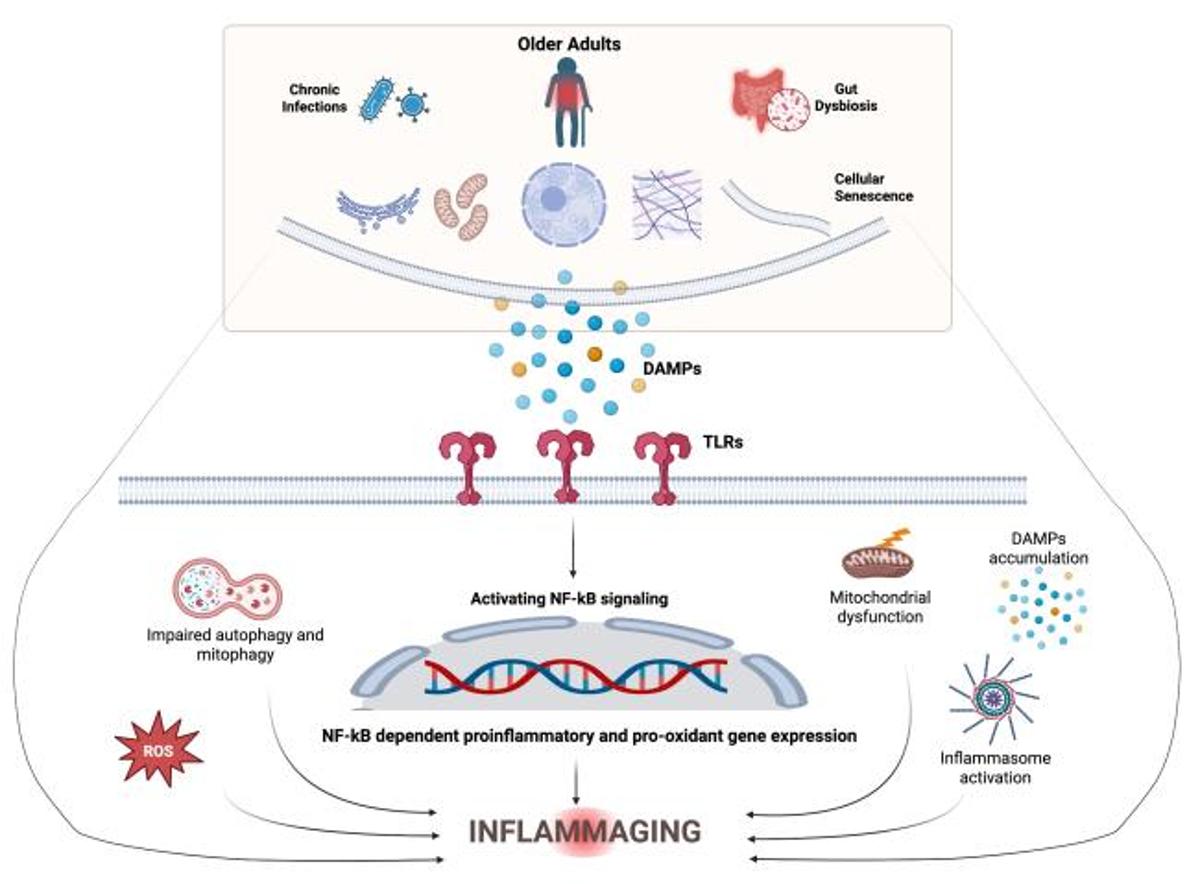
Targeting Inflammaging to Predict and Prevent Chronic Disease
Inflammaging: From Mechanisms to Clinical Implications and Targeted Interventions "...opportunities and limitations of these approaches for identifying individuals at risk for chronic disease..." https://t.co/ClCxPi6sQx https://t.co/Tz6OTxUONS