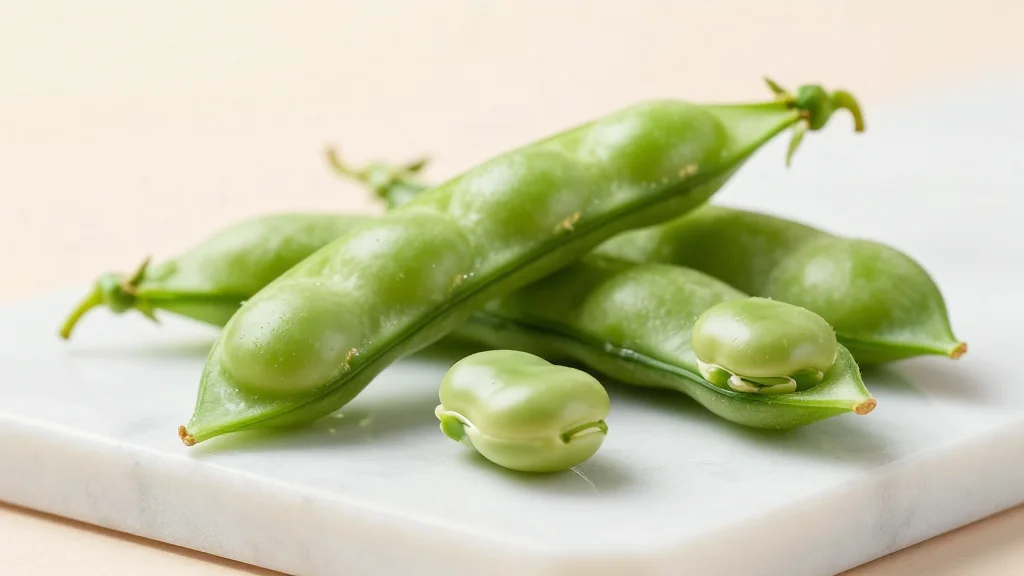
Broad Beans Offer Two‑Month Vitamin‑Protein Boost, Nutritionists Urge Quick Purchase

Why It Matters
Broad beans represent a rare convergence of high protein, fiber, and micronutrients in a single, plant‑based source, addressing a gap in the Indian diet where meat consumption remains limited for many households. Their short season underscores the importance of seasonal eating, encouraging consumers to align their nutrition plans with agricultural cycles, which can improve food security and reduce reliance on imported protein sources. The surge in demand also highlights the economic ripple effect of nutrition trends on smallholder farmers. By creating a premium market for a nutrient‑dense crop, health‑driven consumer behavior can translate into higher farm incomes, potentially spurring investment in sustainable farming practices and supply‑chain improvements.
Key Takeaways
- •Broad beans (bakla/ramfali) contain ~7 g protein per 100 g and high dietary fiber
- •Seasonal availability limited to roughly two months, creating market urgency
- •Retailers and e‑commerce platforms are allocating dedicated shelf space and pre‑order options
- •Farmers report a 20 % income boost linked to the short‑season premium price
- •Nutrition apps now flag broad beans as a seasonal superfood, driving consumer awareness
Pulse Analysis
The rapid rise of broad beans as a seasonal superfood reflects a broader shift in Indian nutrition toward plant‑based protein sources. Historically, legumes like lentils and chickpeas have dominated the protein landscape, but their longer shelf life and lower perceived freshness have limited their appeal for consumers seeking "fresh" nutrition. Broad beans, with their crisp texture and vibrant green hue, fill a sensory niche that aligns with contemporary culinary trends, from salad bowls to protein‑rich smoothies.
From a market perspective, the two‑month scarcity creates a classic supply‑demand dynamic that can be leveraged by both growers and retailers. Farmers who adopt high‑yield, climate‑resilient varieties stand to capture premium prices, while retailers can experiment with dynamic pricing models that reward early purchase. This micro‑economic model may serve as a template for other short‑season crops, encouraging a more diversified agricultural portfolio that reduces reliance on staple grains.
Looking ahead, the key challenge will be translating the seasonal surge into year‑round consumption. Investment in post‑harvest technologies—such as flash‑freezing and vacuum‑sealed packaging—could preserve the vitamin‑protein profile, allowing manufacturers to incorporate broad‑bean flour or puree into processed foods. If the industry can bridge the gap between fresh availability and processed convenience, broad beans could become a staple in the Indian protein equation, reshaping dietary patterns and supporting sustainable agriculture for years to come.
Broad Beans Offer Two‑Month Vitamin‑Protein Boost, Nutritionists Urge Quick Purchase
Comments
Want to join the conversation?
Loading comments...