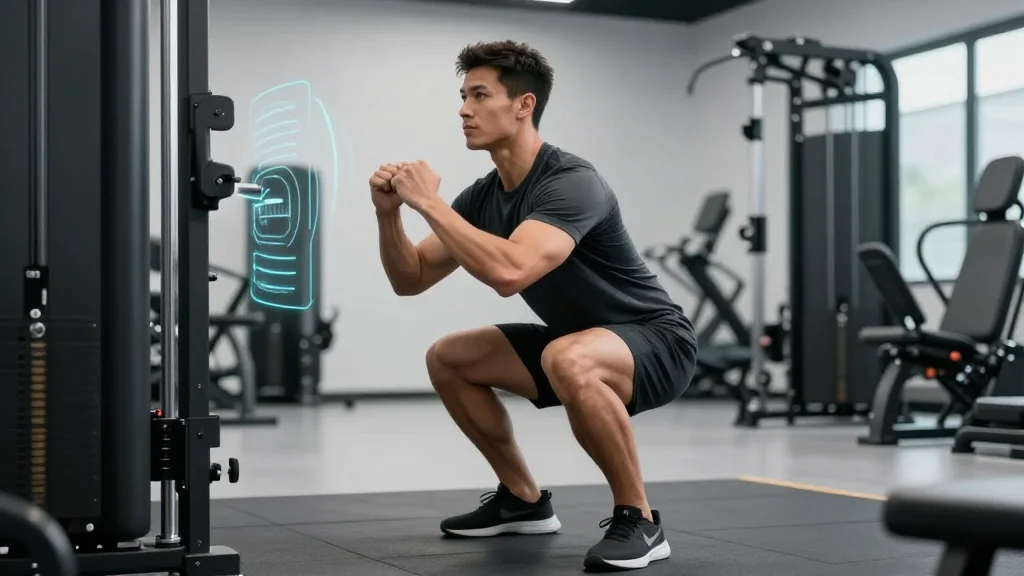
FIBO 2026 Draws 175,000 Visitors, Spotlighting AI-Driven Fitness Trends

Why It Matters
FIBO’s record turnout confirms that fitness is no longer a niche hobby but a core component of the global health economy. The prominence of AI and bio‑hacking tools indicates that future growth will be driven by data‑centric services, reshaping revenue models for gyms, equipment makers and wellness brands. Moreover, the emphasis on healthy aging expands the market beyond traditional younger demographics, prompting manufacturers to develop inclusive, low‑impact technologies. The convergence of technology, community experience and longevity-focused programming also raises regulatory and data‑privacy considerations. As AI coaches collect biometric data, policymakers will need to address consent, security and the ethical use of performance analytics, shaping the competitive landscape for firms that can navigate these challenges.
Key Takeaways
- •FIBO 2026 attracted 175,173 visitors from 136 countries, a record for the expo.
- •Over 1,000 exhibitors showcased AI‑enabled training equipment and bio‑hacking tools.
- •New competition formats like Hyrox highlighted a shift toward experience‑driven fitness.
- •Programs targeting older adults emphasized mobility, strength and longevity.
- •Industry leaders called FIBO a "compass" for the global fitness market’s future direction.
Pulse Analysis
The Cologne expo illustrates a pivotal inflection point where fitness converges with digital health. Historically, trade shows like FIBO served primarily as product launch platforms for cardio machines and free‑weight racks. This year’s AI focus marks a transition toward software‑first offerings, where hardware becomes a data collection node rather than the end product. Companies that can bundle equipment with subscription analytics—think smart treadmills that feed data into personalized health dashboards—are poised to capture higher-margin recurring revenue.
At the same time, the rise of formats such as Hyrox reflects a consumer appetite for hybrid experiences that blend competition, community and measurable outcomes. This mirrors trends in esports, where spectatorship and participation intersect. Fitness brands that embed social features, leaderboards and AI coaching into their ecosystems will likely dominate the next decade, especially as younger Gen‑Z consumers expect seamless digital integration.
Finally, the spotlight on healthy aging signals a demographic expansion that could double the addressable market within ten years. As life expectancy rises, the demand for low‑impact, data‑driven training will grow, prompting equipment manufacturers to prioritize ergonomics and safety. The regulatory environment will evolve accordingly, and firms that proactively adopt transparent data practices will gain a competitive edge. FIBO 2026 thus not only showcased current innovations but also mapped the strategic terrain for investors, operators and policymakers alike.
FIBO 2026 draws 175,000 visitors, spotlighting AI-driven fitness trends
Comments
Want to join the conversation?
Loading comments...