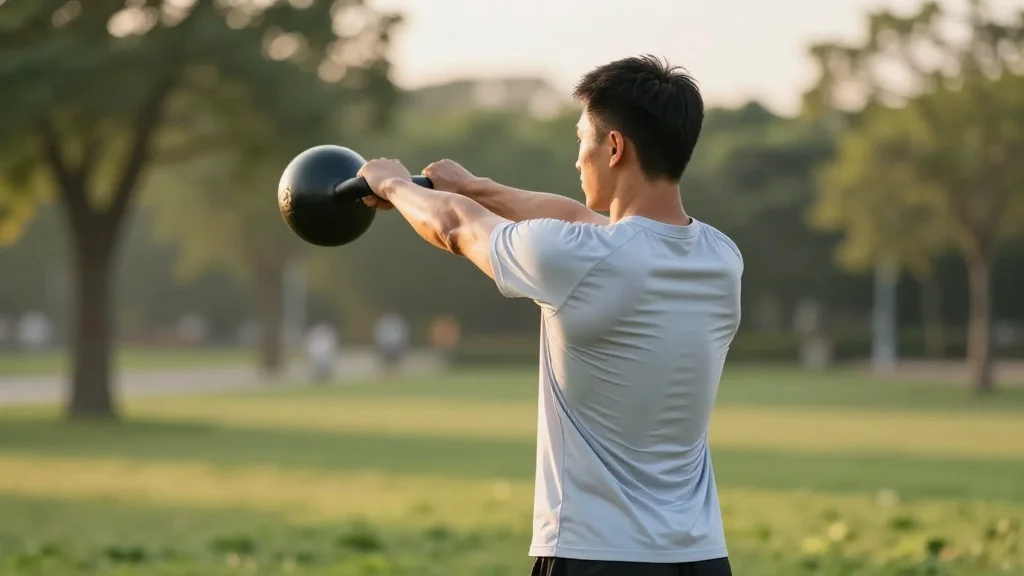
Men Prioritize Longevity Over Muscle Gains in New Training Wave

Why It Matters
The move toward longevity training signals a broader redefinition of male fitness goals, aligning daily exercise with long‑term health outcomes. By emphasizing durability, mobility, and recovery, the trend could reduce injury rates and extend athletic careers, influencing everything from gym class designs to insurance wellness incentives. Moreover, the reliance on wearable data accelerates the integration of health technology into mainstream workouts, potentially reshaping consumer expectations for personalized fitness guidance. For the industry, the shift opens new revenue opportunities in smart equipment, subscription‑based coaching, and data analytics services. Companies that can translate readiness metrics into actionable programming stand to capture a growing segment of health‑conscious men seeking sustainable performance.
Key Takeaways
- •Only ~24 % of U.S. adults meet both strength and cardio guidelines, prompting a shift toward longevity training.
- •Wearable devices like Oura Ring and Polar H10 now guide intensity based on sleep and stress data.
- •Longevity workouts blend strength, mobility, stability, and zone‑2 cardio with built‑in recovery sessions.
- •Fitness brands are launching smart gear and subscription apps focused on durability and health‑span.
- •Analysts expect the trend to drive new revenue streams in health‑tech and personalized coaching.
Pulse Analysis
The longevity‑first mindset reflects a maturation of the fitness market, where consumers are no longer satisfied with short‑term aesthetic gains. Historically, the 2010s saw a surge in high‑intensity, hypertrophy‑centric programming, fueled by social media and supplement hype. Today, a data‑rich environment—powered by wearables and public health reporting—creates a feedback loop that rewards consistency and injury avoidance. This cultural pivot mirrors broader wellness trends that prioritize mental health, sleep, and stress management alongside physical performance.
From a competitive standpoint, brands that can seamlessly integrate biometric data into user‑friendly training prescriptions will likely dominate. Companies that cling to pure muscle‑building narratives risk losing relevance as gyms diversify class offerings and digital platforms expand their algorithmic coaching capabilities. The longevity trend also raises the bar for content creators and influencers, who must now demonstrate expertise in recovery science and functional movement, not just lifting prowess.
Looking ahead, the convergence of longitudinal health studies and real‑time wearable analytics could produce evidence‑based standards for longevity training. If such standards gain acceptance among insurers and employers, we may see fitness benefits tied to reduced healthcare costs, further cementing the economic incentive for men to adopt this sustainable approach.
Men Prioritize Longevity Over Muscle Gains in New Training Wave
Comments
Want to join the conversation?
Loading comments...