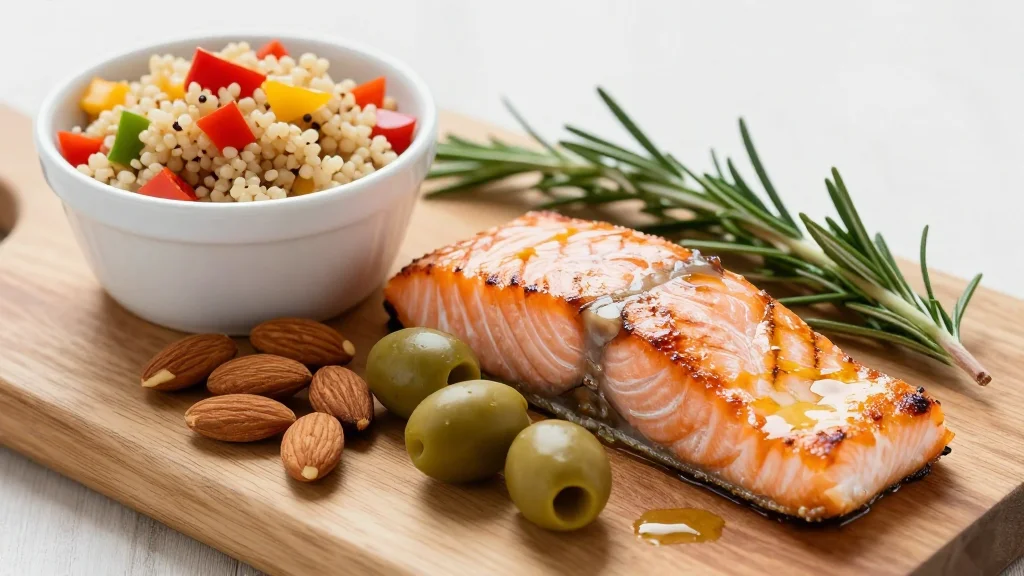
Protein, MIND and Mediterranean Diets Touted as Keys to Graceful Aging

Companies Mentioned

Why It Matters
Adequate protein and anti‑inflammatory diets are critical levers for mitigating age‑related decline in muscle mass, bone density and cognitive function. As the U.S. Census projects that adults over 65 will comprise nearly 22% of the population by 2035, public health systems face mounting pressure to curb fall‑related injuries and dementia costs. Nutrition interventions that are low‑cost, scalable and supported by clinical evidence can offset these pressures, improving quality of life for seniors while reducing healthcare expenditures. Moreover, the emphasis on MIND and Mediterranean diets aligns with broader policy initiatives encouraging plant‑forward eating patterns to address chronic disease. By framing these diets as tools for graceful aging, health authorities can motivate older consumers to adopt sustainable eating habits that also benefit cardiovascular and metabolic health, creating a virtuous cycle of population‑wide wellness.
Key Takeaways
- •Dr. Ronan Factora warns seniors often miss protein targets needed for tissue repair
- •MIND and Mediterranean diets are linked to better brain health and lower inflammation
- •Protein sources include meat, fish, dairy, eggs, Greek yogurt, legumes, nuts and seeds
- •Resistance and weight‑training exercise recommended twice weekly for muscle preservation
- •Food manufacturers are launching high‑protein, antioxidant‑rich products aimed at seniors
Pulse Analysis
The renewed focus on protein and brain‑healthy diets reflects a maturing understanding of nutrition as a therapeutic modality for aging. Historically, senior nutrition advice centered on calorie reduction and heart‑healthy fats, but emerging geriatric research highlights sarcopenia and cognitive decline as primary drivers of morbidity. Factora’s public endorsement of protein adequacy and MIND‑style eating signals a pivot toward a more nuanced, dual‑targeted approach that addresses both musculoskeletal and neurocognitive health.
From a market perspective, this shift is already reshaping product pipelines. Companies that previously marketed high‑protein powders to athletes are reformulating for older adults, emphasizing easy digestibility, lower sodium and added micronutrients like vitamin D and calcium. Simultaneously, the rise of “brain‑boost” snack lines—featuring blueberries, walnuts and extra‑virgin olive oil—mirrors consumer demand for functional foods that promise cognitive benefits. Investors are taking note, with venture capital flowing into startups that combine nutrigenomics with personalized senior meal plans.
Looking forward, the convergence of clinical guidance, consumer behavior, and policy incentives could accelerate the standardization of age‑specific nutrition labels. If insurers begin to reimburse for proven dietary interventions, we may see a rapid expansion of diet‑prescription programs akin to those for diabetes management. Ultimately, the success of these initiatives will hinge on translating scientific findings into accessible, culturally appropriate food choices that older adults can adopt without undue cost or complexity.
Protein, MIND and Mediterranean Diets Touted as Keys to Graceful Aging
Comments
Want to join the conversation?
Loading comments...