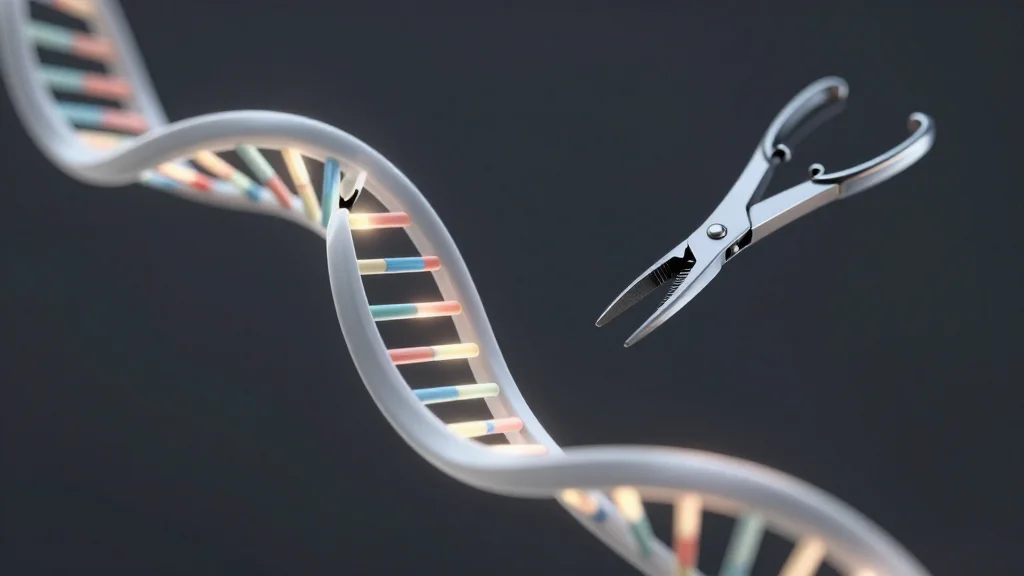
Cornell Team Introduces Safer DNA‑Nick CRISPR Method for Gene Editing

Why It Matters
The new nick‑based CRISPR method directly addresses a long‑standing safety hurdle that has limited the use of gene‑editing tools outside highly controlled labs. By minimizing double‑strand breaks, researchers can obtain clearer data on gene function while preserving cell health, accelerating the pipeline from basic discovery to therapeutic validation. For the DIY biohacking community, the technique offers a more responsible entry point, potentially expanding citizen‑science projects and fostering a culture of safety. Moreover, the work illustrates how incremental engineering of existing enzymes can yield outsized benefits, reinforcing the importance of academic‑industry collaborations in translating bench‑side innovations into real‑world applications. As gene‑editing moves toward clinical and consumer realms, methods that reduce unintended damage will be pivotal in gaining regulatory approval and public trust.
Key Takeaways
- •Cornell researchers replace double‑strand cuts with single‑strand nicks in the MAGIC CRISPR platform.
- •Study published in PNAS on May 27, 2026, led by associate professor Chun Han.
- •Nickases retain recombination capability while lowering cellular toxicity.
- •Technique could broaden safe use of CRISPR in both therapeutic research and DIY biohacking.
- •Next steps include testing in mammalian cells and a planned industry partnership in early 2027.
Pulse Analysis
The introduction of a nick‑based CRISPR system marks a subtle yet strategic shift in the gene‑editing landscape. Historically, the field has chased ever‑more aggressive cuts to maximize editing efficiency, often at the expense of cell viability. Cornell's approach flips that paradigm, showing that precision can be achieved with less invasive tools. This aligns with a broader industry trend toward base‑editing and prime‑editing, where the goal is to rewrite DNA without creating double‑strand breaks. By demonstrating that a single nick can drive homologous recombination, the study provides a bridge between traditional CRISPR and these newer modalities, potentially easing the transition for labs that have already invested in Cas9 infrastructure.
From a market perspective, the method could lower the cost of entry for smaller biotech firms and academic groups that lack extensive cell‑culture facilities. Safer editing reduces the need for extensive downstream validation, shortening development timelines. For the DIY biohacking sector, the technology may democratize access to high‑fidelity gene editing, but it also raises regulatory eyebrows. Policymakers will need to balance the benefits of a safer tool against the risk of broader dissemination. The upcoming collaboration with a pharmaceutical partner will be a litmus test: if industry adopts the nick‑based system at scale, it could set a new safety benchmark that reshapes both commercial and community standards.
In the longer term, the success of nickases could inspire a wave of enzyme engineering focused on minimizing collateral damage rather than maximizing raw cutting power. This could lead to a new generation of CRISPR kits tailored for specific applications—clinical, agricultural, or citizen science—each calibrated for the lowest acceptable risk profile. The Cornell breakthrough, therefore, is not just a technical tweak; it signals a maturation of the field toward responsible, precision‑first gene editing.
Cornell Team Introduces Safer DNA‑Nick CRISPR Method for Gene Editing
Comments
Want to join the conversation?
Loading comments...