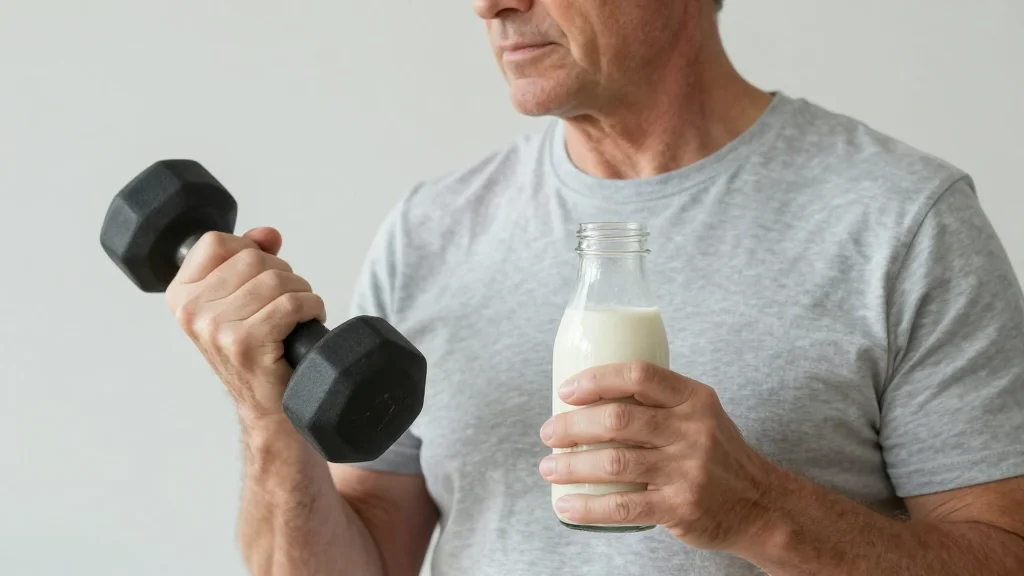
Combined Protein and Resistance Training Boost Strength in Seniors

Why It Matters
The review bridges two traditionally separate domains—nutrition and exercise—offering a clear, evidence‑based prescription for older adults seeking to preserve independence. By demonstrating that modest resistance training combined with adequate protein can reverse aspects of sarcopenia, the research provides a scalable intervention that could reduce healthcare expenditures linked to falls, fractures and long‑term care. Moreover, the findings empower seniors to take proactive steps toward healthier aging, shifting the narrative from inevitable decline to manageable maintenance. For the fitness industry, the study validates a growing niche focused on strength training for older populations, encouraging product developers, trainers and insurers to invest in programs that address both dietary and physical components. As demographic shifts increase the proportion of adults over 65, the economic and social stakes of implementing such combined strategies become increasingly significant.
Key Takeaways
- •Review of multiple studies finds combined resistance training and high‑quality protein yields greater strength gains than either alone.
- •Improvements observed in handgrip strength, walking speed, muscle mass and overall physical function.
- •Recommended regimen: resistance exercises 2‑3 times per week with protein intake of 1.2‑1.5 g/kg body weight.
- •Benefits extend to frail seniors and those in their 70s‑80s, not just relatively fit older adults.
- •Findings could reshape senior‑fitness product offerings, nutrition labeling and public‑health guidelines.
Pulse Analysis
The convergence of nutrition and resistance training marks a pivotal shift in how the senior‑health market will be structured. Historically, fitness providers have marketed cardio‑centric programs to older adults, while supplement companies have focused on isolated protein products. This evidence‑based synergy creates a new value proposition: integrated packages that combine simple strength equipment with protein‑rich meal plans or supplements. Companies that can bundle these services—whether through community centers, digital platforms, or bundled retail offerings—stand to capture a growing share of a market that is projected to double in the next decade.
From a clinical perspective, the research challenges the long‑standing belief that aging muscles are largely unresponsive to anabolic stimuli. By demonstrating that resistance exercise can re‑sensitize muscle tissue, the study opens the door for more aggressive preventive strategies, potentially delaying the onset of sarcopenia by years. Health systems may soon adopt combined protocols as standard of care, reducing downstream costs associated with falls and institutionalization. The ripple effect could also influence policy, prompting revisions to dietary guidelines that have traditionally separated macronutrient recommendations from physical‑activity prescriptions.
Looking forward, the next wave of innovation will likely focus on personalization—using wearable technology to track resistance‑training intensity and dietary intake, and AI‑driven platforms to adjust protein dosing in real time. As data accumulates, we may see a shift from generic "strength‑and‑protein" advice to individualized regimens that account for comorbidities, genetic factors and lifestyle constraints. The current review provides the scientific foundation; the industry’s challenge will be to translate that foundation into accessible, affordable solutions for the millions of seniors seeking to stay active and independent.
Combined Protein and Resistance Training Boost Strength in Seniors
Comments
Want to join the conversation?
Loading comments...