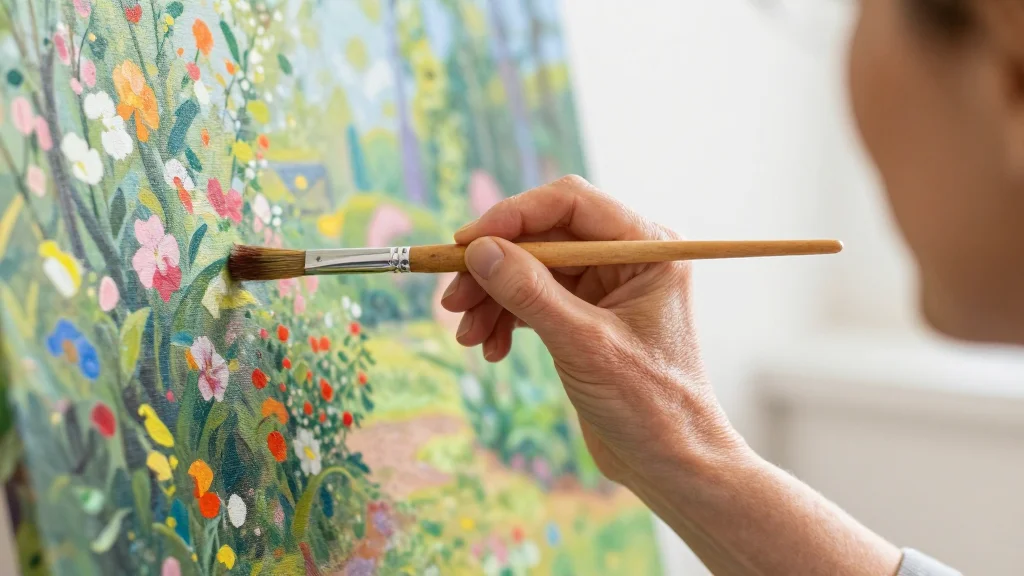
UCL Study Finds Arts Activities Slow Biological Aging by 4%, Matching Exercise Benefits

Why It Matters
The discovery that low‑impact, enjoyable activities can decelerate biological aging reshapes how we think about human potential. It suggests that personal evolution is not solely driven by disciplined training or rigorous routines, but also by the integration of pleasure, curiosity, and social connection into daily life. For policymakers and corporate leaders, the evidence offers a cost‑effective lever to improve population health, reduce chronic disease burden, and extend productive years. Beyond individual benefits, the research could catalyze a cultural shift toward valuing creative expression as a core component of wellness. By framing arts participation as a scientifically backed longevity strategy, societies may invest more in public museums, community music programs, and accessible creative spaces, thereby democratizing the tools for a longer, healthier life.
Key Takeaways
- •UCL study of 3,556 UK adults links weekly arts activities to 4% slower epigenetic aging
- •Effect size comparable to regular physical exercise
- •Diverse creative engagement (reading, music, crafting) yields the strongest benefit
- •Epigenetic clocks used to measure biological age, bypassing chronological limits
- •Findings suggest low‑impact, pleasure‑based habits can be public‑health interventions
Pulse Analysis
The UCL findings arrive at a moment when the wellness industry is saturated with high‑tech fitness trackers, quantified self‑metrics, and elite performance coaching. Historically, longevity research has emphasized physiological stressors—exercise, diet, sleep—as the primary levers for extending healthspan. This study injects a counter‑narrative: that mental and social enrichment, delivered through simple, enjoyable activities, can produce comparable biological benefits.
From a market perspective, the data could spur a new wave of products and services that blend creativity with health monitoring. Imagine subscription platforms that recommend personalized art‑based regimens based on epigenetic feedback, or corporate wellness suites that integrate museum visits and music therapy into employee benefit packages. Companies that have traditionally focused on fitness equipment may need to broaden their portfolios to stay relevant.
Looking ahead, the key challenge will be moving from correlation to causation. Randomized controlled trials that assign participants to structured arts programs versus control groups will be essential to validate the mechanisms. If causality is established, we may see a reallocation of public health funding toward community arts initiatives, echoing past investments in vaccination and sanitation. Ultimately, the study expands the definition of "human potential" to include the capacity to age gracefully through curiosity, creativity, and community—attributes that have long been undervalued in the performance‑centric narrative of modern life.
UCL Study Finds Arts Activities Slow Biological Aging by 4%, Matching Exercise Benefits
Comments
Want to join the conversation?
Loading comments...