Today's Biohacking Pulse

Study Links Common Cognitive Supplement L‑Tyrosine to Shorter Lifespan
Researchers analyzing data from over 250,000 UK Biobank participants found that genetically higher L‑tyrosine levels are associated with a reduced lifespan, particularly in men who lived about one year less on average. The Mendelian randomization approach isolated tyrosine’s effect, showing it to be more detrimental than its precursor phenylalanine.

If AI Can Model Cells, Science Can Deliver Cures
The Biohub Institute announced the Virtual Biology Initiative, a $100 million pledge to generate open‑source cellular data for AI training. Partnering with the Allen Institute, Broad Institute, NVIDIA, Wellcome Sanger and others, the effort aims to build massive, public datasets that capture every cell type and state. By combining frontier AI models that already design proteins with new cell‑level simulations, researchers hope to accelerate cures for cancer, neurodegeneration and metabolic disorders. The initiative also earmarks $400 million for advanced imaging and cryo‑electron tomography to observe billions of cells in vivo.
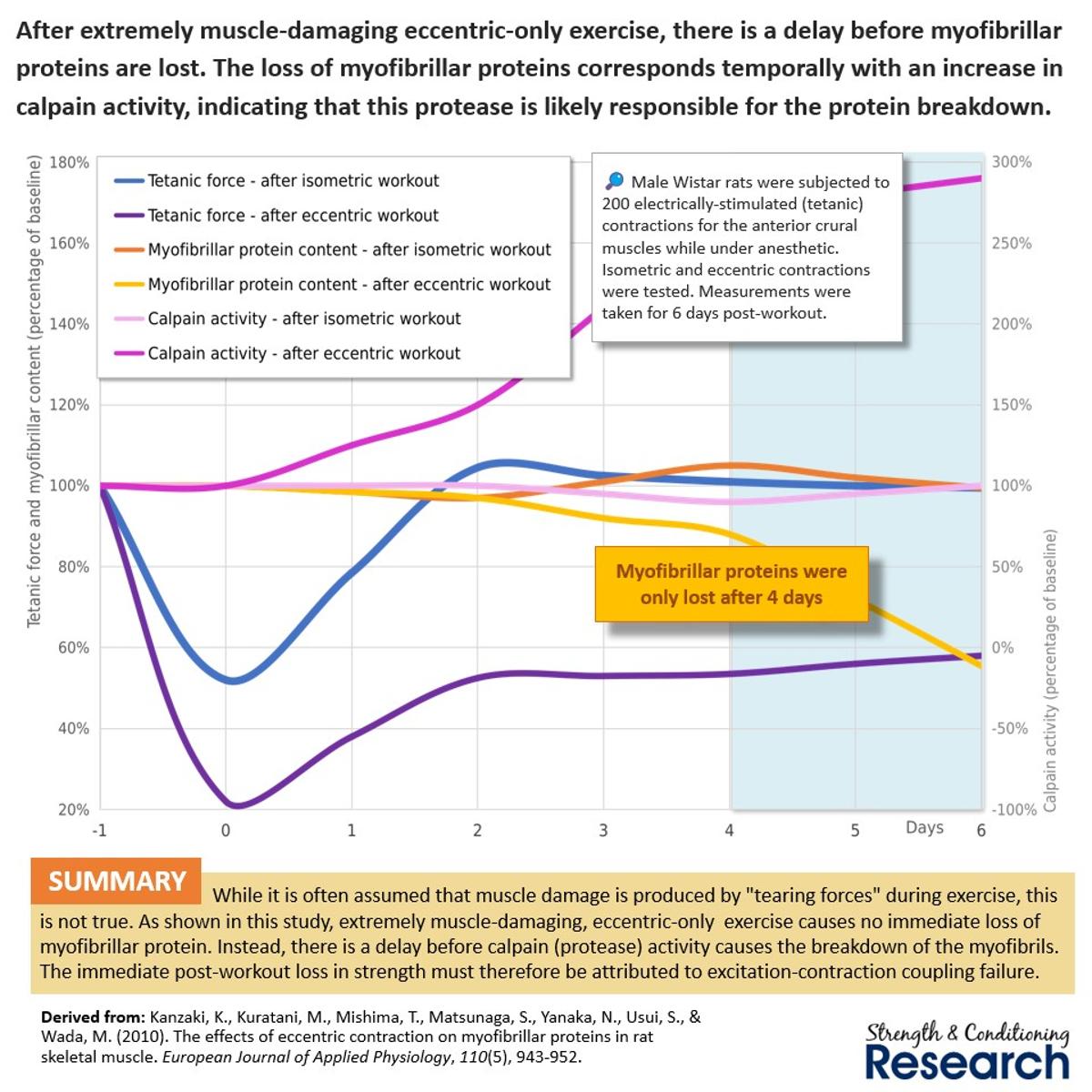
Muscle Damage Happens After, Not During Workouts
The fitness industry persists in claming that muscle damage is caused by "tearing forces" in a workout when it is obvious from the literature that muscle damage is created in the post-workout period. Also, the greater the damage, the longer...
Aging Immune Networks Shift From Inflammation to Disease
Network Rewiring in the Aging Immune System: From Chronic Inflammation to Age-Related Pathologies https://t.co/HxKXGUq8wB https://t.co/ErZBeYwuhJ
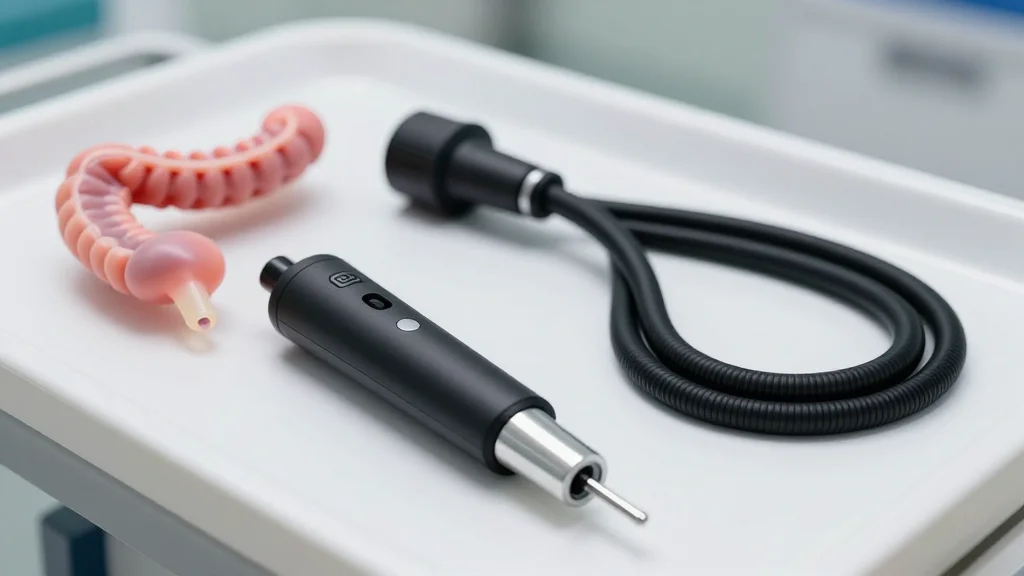
Which Colorectal Cancer Screening Method Is Right for You?
Colorectal cancer screening saves lives, with colonoscopy remaining the gold‑standard due to its 70% detection rate and ability to remove polyps during the exam. Alternative methods include virtual colonoscopy, flexible sigmoidoscopy, stool‑based FIT/DNA tests, and the newly FDA‑approved Shield™ blood...

A Novel Gene-Therapy Approach to ‘Functionally Cure’ HIV Succeeds in some Monkeys
Researchers used an adeno‑associated virus to deliver a gene that produces a CCR5‑blocking antibody in rhesus macaques. Six of the 19 treated monkeys maintained undetectable SHIV levels for over a year after a single low‑dose injection, showing a functional cure....

LV Longevity Lab Claims Up to 47% Cognitive Boost for Executives via Concierge Optimization
LV Longevity Lab in Las Vegas announced that its executive‑performance concierge service can raise cognitive processing speed by as much as 47% and decision‑making accuracy by 62% through evidence‑based optimization protocols. The clinic projects a potential annual ROI of $2.3 million...

Loftie Launches Loftie+ Habit System to Cut Phone Use and Boost Sleep
Loftie introduced Loftie+, a subscription‑based habit‑change app that blocks phone use at night, offers a credit‑card‑sized NFC focus tool, and costs £9.99 a month. The service targets the 73% of UK 18‑24‑year‑olds who stay up later because of their phones,...

Adeno-Associated Virus-Based Approaches for Mitochondrial Diseases: Advances and Challenges
Adeno‑associated virus (AAV) vectors are emerging as a versatile platform for treating mitochondrial diseases, especially those caused by nuclear‑encoded gene defects. Pre‑clinical studies have shown that AAV‑mediated delivery of nuclear genes can restore oxidative phosphorylation, extend survival, and improve organ...

How the Immune System Battles Lifelong Viral Infections Acquired at Birth
Researchers at the University of Basel have demonstrated that the immune system does mount a response against chronic hepatitis B infections acquired at birth, contrary to long‑standing assumptions of tolerance. Using a mouse model that mimics perinatal infection, they observed gradual...

Lifestyle Changes Can Prevent Nearly Half of Dementia
45% of dementia cases are entirely preventable with lifestyle changes. @fountainlife_hq found that 25% of their members had advanced brain age. After 13 months of optimized sleep, nutrition, and exercise, they improved brain age in 46% of those cases. You can become...

FOXO4-DRI Is Fascinating, but Was Never Intended for Human Use, What Are the Takeaways?
FOXO4‑DRI is an experimental senolytic peptide that selectively eliminates senescent cells by disrupting the FOXO4‑p53 interaction, prompting p53‑mediated apoptosis. Pre‑clinical studies across vascular, reproductive, musculoskeletal and renal models report improved endothelial function, restored testosterone production, chondrocyte rejuvenation, and reduced frailty....
Peptides / Bioregulators
A new study examined 6,441 gray‑market peptide samples covering 14 compounds, measuring purity, dose accuracy, and endotoxin levels. Between 41.6% and 71.1% of the products failed basic pharmaceutical standards, and 2.4% contained no active peptide at all. Endotoxin contamination appeared...
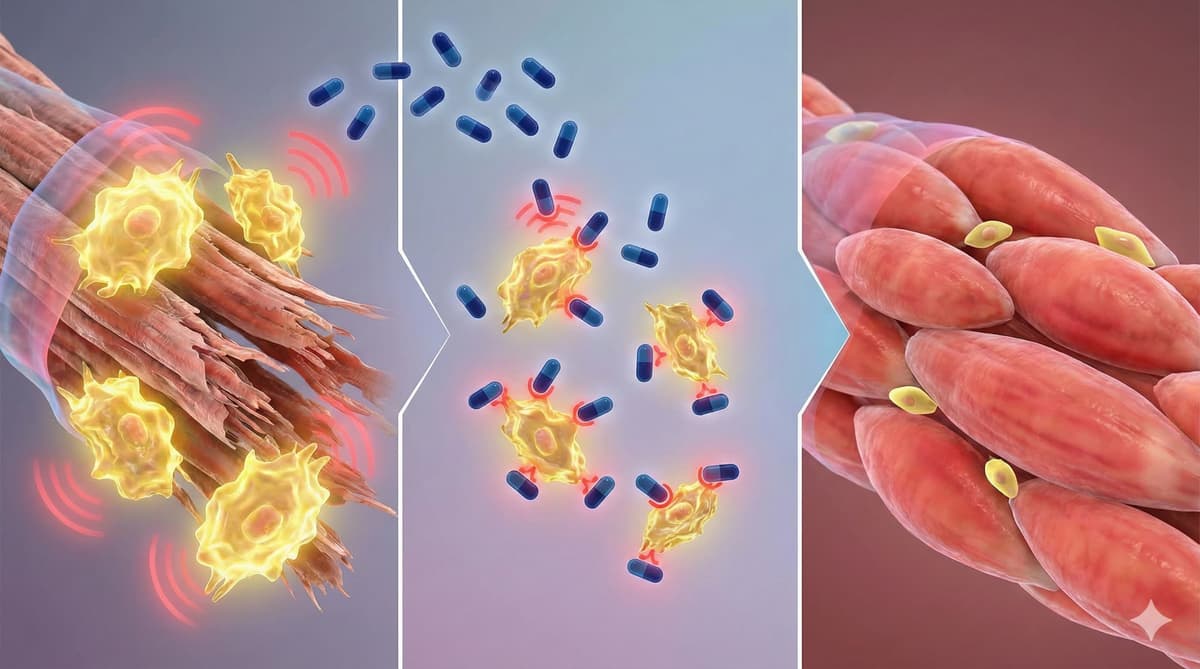
HIV Drug (Maraviroc) Reverses Muscle Aging by Purging “Zombie Cell” Signals
Researchers are exploring the HIV CCR5 antagonist maraviroc as a senomorphic agent that could blunt muscle aging by dampening chronic SASP signaling. Modeling suggests a 75 mg once‑daily dose achieves high CCR5 occupancy, but human data on sarcopenia are absent. The...

Holistic Health Strategies Prove Key to Extending Healthspan, Experts Say
Health researchers and clinicians say a holistic blend of nutrition, regular movement, quality sleep and strong social connections can dramatically extend healthspan. The insight builds on decades of studies, including the Harvard Study of Adult Development, and real‑world recovery stories...
Study Finds Daily Steps Can Delay Preclinical Alzheimer’s Onset by Up to Seven Years
Researchers at Mass General Brigham analyzed 296 adults in the Harvard Aging Brain Study and identified three distinct cognitive‑decline trajectories in preclinical Alzheimer’s. Walking 5,000‑7,500 steps daily delayed symptom onset by roughly seven years, while 3,000‑5,000 steps postponed decline by...

Aerobic Capacity Determines Stress Resilience, Not Just Adrenaline
Part of the glycolytic trap involves the activation of the SAM & HPA Axis. Where high stress athletes w/ poor nervous system regulation have minimal aerobic function. Adrenaline and cortisol change perception. Athletes who live in glycolysis have trained their...
Endurance Exercise Protects Joints, Boosts Fat Oxidation
Ha... no. He's wrong. Yes, there's an Afib signal. But his other conclusions... no. Run and cycle... we know why we do it... and my patients who run/ride are by far better off than those who don't. You need...

Naked Mole-Rats Exhibit Little Change in Gut Microbiome Composition with Age
Researchers examined the gut microbiome of naked mole‑rats across more than three decades and found minimal age‑related changes, in stark contrast to the pronounced shifts observed in mice. Only the archaeon Methanomassiliicoccus intestinalis increased with age, while breeding queens displayed...

Can You Measure Bone Density at Home?
Bone density cannot be measured with consumer wearables; the only accurate test is a DEXA scan, a dual‑energy X‑ray absorptiometry exam performed at imaging centers. Doctors typically advise starting routine DEXA screening in the mid‑60s, though earlier testing is warranted...

Dual-Agonist Survodutide Shows Significant Weight Loss in Phase III Obesity Trial
Boehringer Ingelheim reported that its dual glucagon/GLP‑1 agonist survodutide produced up to 16.6% average weight loss after 76 weeks in the Phase III SYNCHRONIZE‑1 trial. The study also showed that 85.1% of treated participants achieved at least a 5% reduction, with...
Chinese Cohort Finds U‑Shaped Cholesterol‑Mortality Link, Upending Biohacker Dogma
Researchers analyzing a Chinese cohort of 163,115 adults uncovered a U‑shaped relationship between total, LDL and non‑HDL cholesterol and all‑cause mortality. Levels below 120 mg/dL (TC) or 70 mg/dL (LDL‑C) were linked to higher cancer and hemorrhagic stroke deaths, while higher levels...

Want Better Gains? It’s Time to Start Tracking Your Reps in Reserve
The reps‑in‑reserve (RIR) method measures how many additional reps you could have performed before reaching failure, offering a day‑to‑day gauge of effort. Trainers recommend targeting 2–3 RIR on most sets to stimulate muscle growth while preserving recovery. RIR aligns closely...
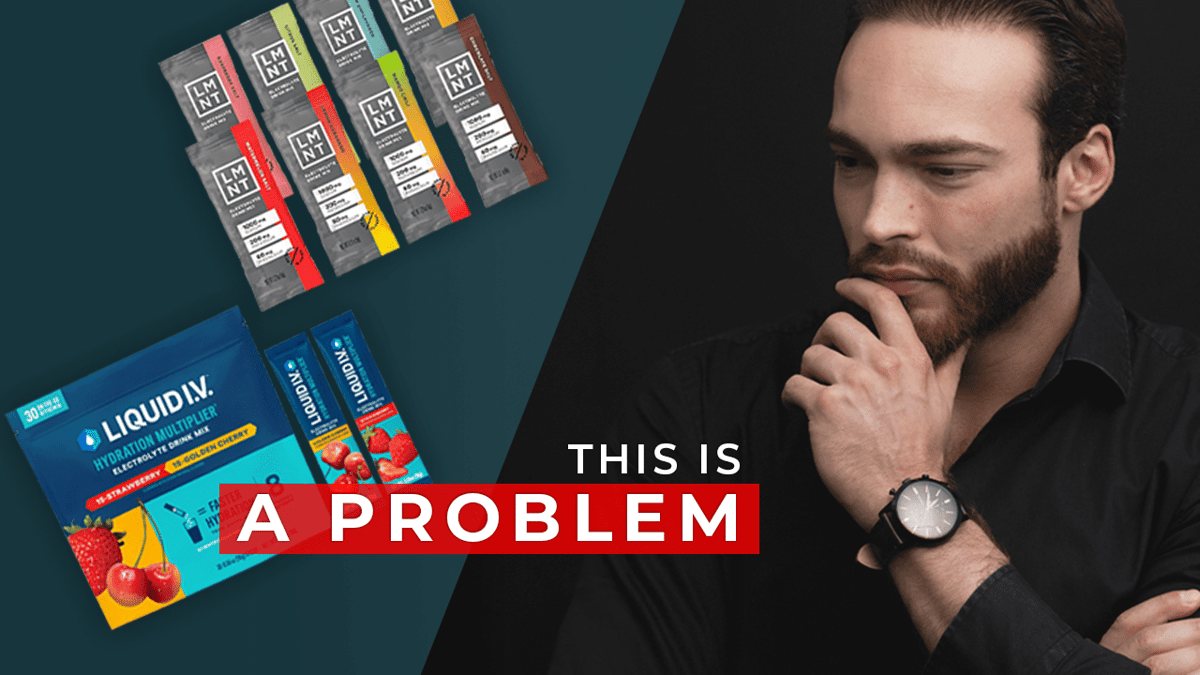
I Read Every Electrolyte Study. The Industry Is Lying.
Recent scientific reviews show electrolyte supplements, largely sodium, provide no performance advantage for the average consumer and may increase cardiovascular risk. Typical diets already deliver 3–5 g of sodium daily, exceeding most health guidelines, so added supplement packets can push intake...

IV Vitamin Drip Therapy: How Does It Work – and Is It Good for You?
IV vitamin drips, once a celebrity novelty, have become a mainstream wellness service, spawning clinics from Shoreditch to Soho. The global IV hydration market was valued at $2.32 bn in 2022 and is projected to grow rapidly as consumers seek quick...
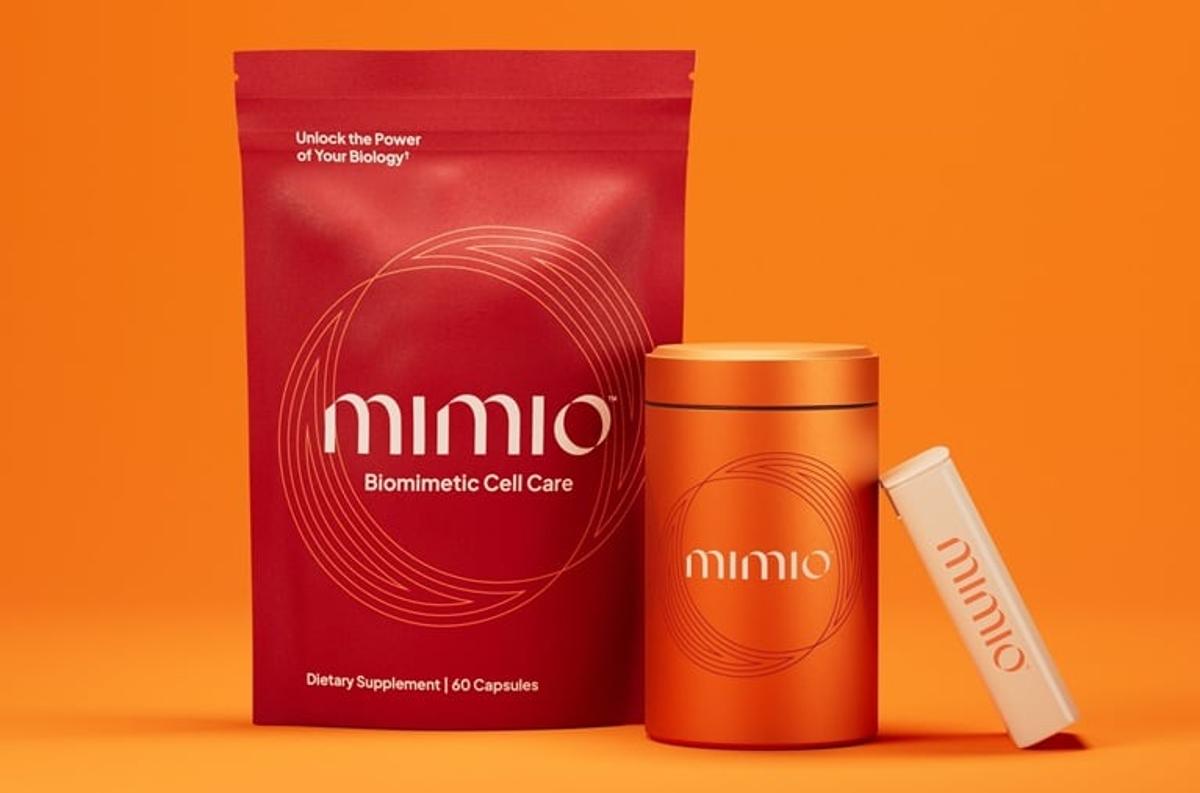
Fasting Mimetic May Improve Cardiometabolic Health Markers: RCT
A randomized, double‑blind, placebo‑controlled trial found that an eight‑week regimen of Mimio, a fasting‑mimetic supplement, significantly improved cholesterol fractions, oxidized LDL, and fasting glucose in older adults with elevated BMI and HbA1c. The formulation delivers nicotinamide, PEA, OEA and spermidine...

Daily Multivitamin Slows Biological Aging Up to Five Months, Study Finds
Researchers led by Howard Sesso published a peer‑reviewed trial showing that a daily Centrum Silver‑type multivitamin slowed two epigenetic aging clocks by 2.7–5.1 months over two years. The finding, based on 958 participants from the COSMOS study, marks the first...

Tyler Andrews Launches Aggressive Bid to Break Everest Speed Record
Adventure athlete Tyler Andrews has announced an aggressive plan to break the Mount Everest speed record. He will spend a month acclimating at Manaslu base camp before launching his summit attempt, relying on a regimen that blends high‑altitude training with...

Seasonal Light Triggers Amygdala Activity, Boosting Mood, Study Finds
Researchers at the University of Liège have demonstrated that seasonal variations in light intensity modulate activity in specific amygdala nuclei, with the strongest effect at the summer solstice. The findings clarify how daylight influences mood and give scientific backing to...

Study Links Fat‑Tissue Blood Vessels to Obesity and Type‑2 Diabetes
Scientists analyzing 70,000 vascular cells from the fat tissue of 65 participants discovered distinct endothelial subtypes that shift toward inflammation in obesity and type‑2 diabetes. The findings suggest blood‑vessel cells, not just hormones, could be primary targets for metabolic‑optimization therapies.

7 Expert Habits for Healthy Aging From Longevity Doctor Florence Comite
Longevity specialist Dr. Florence Comite released her new book Invincible, outlining a science‑backed roadmap for healthy aging. She emphasizes building muscle early, monitoring hereditary risk factors, and maintaining strong social connections to preserve metabolic and bone health. The doctor also advises dietary...
GLP‑1 Therapy Shows Benefit for Type 1 Diabetes Patients
A 174,000-patient analysis just delivered the first hard evidence that GLP-1 drugs work in a population every clinical trial has excluded. As a medical school professor, I teach that Type 1 diabetes is autoimmune, Type 2 is metabolic. But the cardiovascular...
Sleep Loss Rewires Gut Microbiome, Accelerates Cancer
New AACR 2026 data shows poor sleep does not just make you tired. It rewires your gut bacteria in ways that fuel cancer growth. As a medical school professor, I teach that the gut-brain-immune axis is underrated in medicine. AACR 2026...
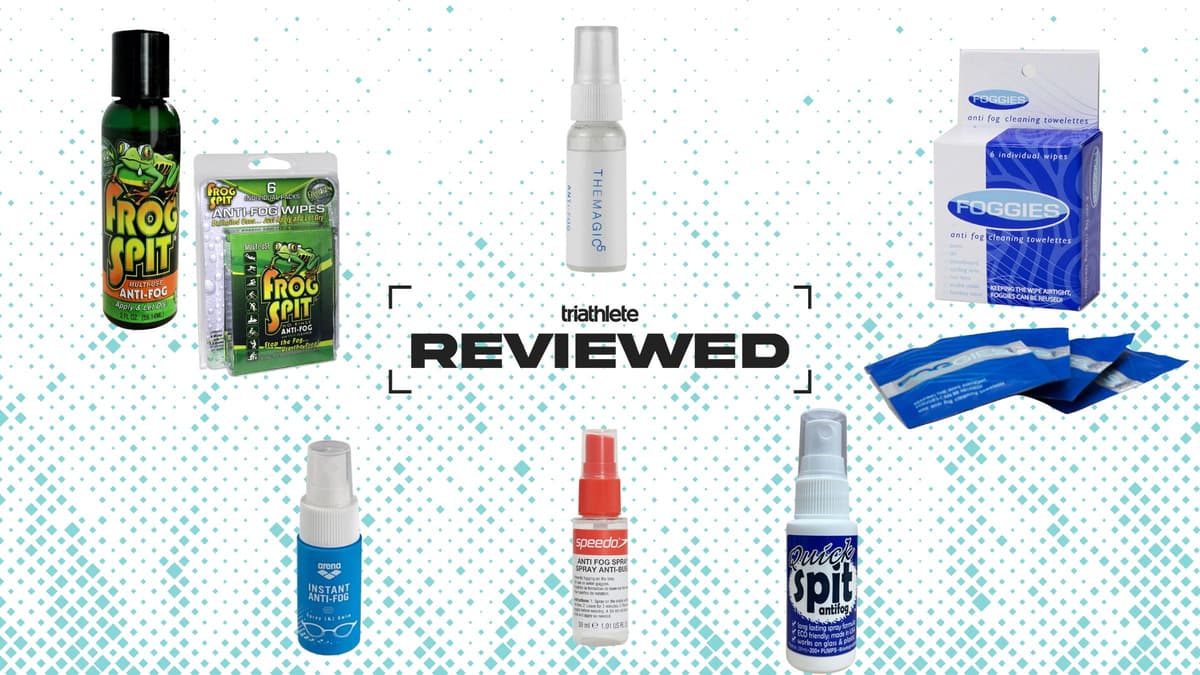
How to Finally Stop Goggle Fogging, Explained by Science
Triathlete conducted a controlled lab test of seven commercial anti‑fog sprays, wipes and a baby‑shampoo solution across five condensation cycles. Using a kitchen‑based setup that mimics the temperature and humidity differentials that cause goggles to fog, each product was applied,...

High Protein Diet Doesn’t Inflate Internal Organs
Several years ago, a scholarly paper (PMID: 31897480) proposed that consuming high levels of protein (>1.6 g/kg/day) might lead to enlargement of internal organs such as the heart, liver, intestines, and kidneys. The author speculated that protein...

Broken at the Biochemical Level: The B Vitamin Series - Part 1
The opening post of the "B Vitamin Series" frames B‑vitamins as foundational metabolic regulators rather than optional nutrients. It argues that adequate B‑vitamins are essential for energy generation, nerve transmission, cardiovascular health, and cellular repair. When levels dip, the body...

How to Add 7.5 Years to Your Life (Without Drugs or Surgery)
A Yale study led by Dr. Becca Levy tracked 660 adults over 23 years and found that people who hold optimistic views about aging live about 7.5 years longer than pessimists, outpacing benefits from lower blood pressure or cholesterol. The...
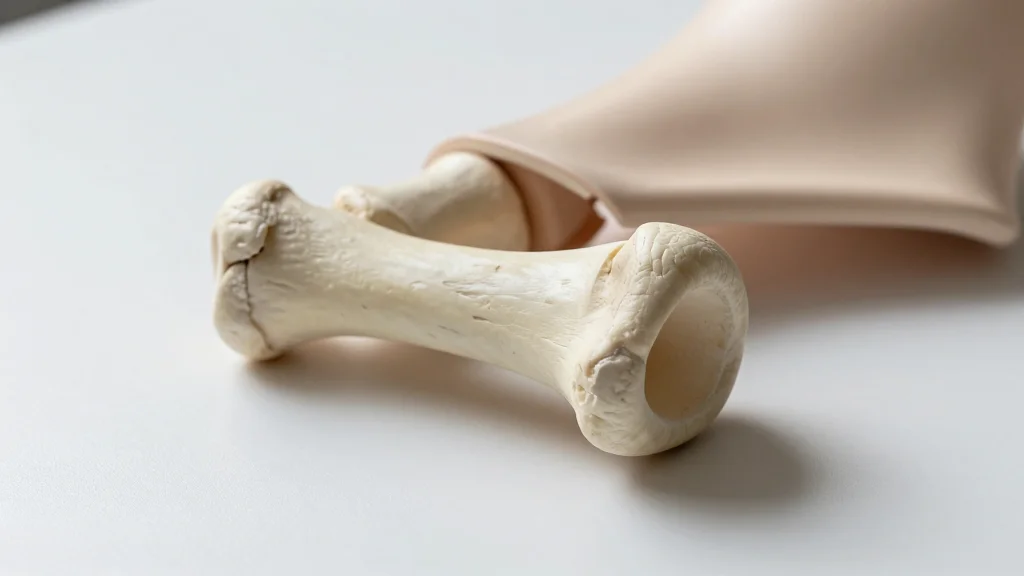
Bone Spurs Aren’t Behind Shoulder Pain, Study Shows
Bone Spurs Do Not Cause Shoulder Pain or Cuff Tears. Ten Years of Data Just Confirmed What Never Made Sense To Me. It's amazing how many people are still told each year that they need shoulder surgery due to a...

Nicotinamide Boosts NK Cells, Induces NHL Remissions
Nicotinamide enhances natural killer cell function and yields remissions in patients with non-Hodgkin lymphoma https://t.co/VrC2ertsVd
A Metabolism-Boosting Trick You Can Do in Under an Hour (No Workout Required)
A six‑month study of 64 adults with metabolic syndrome found that cutting roughly one hour of daily sitting—primarily by standing more—boosted metabolic flexibility, fat oxidation, and insulin sensitivity. Participants who reduced sitting by at least 30 minutes logged an average...

Even Morning Coffee Can Harm Sleep Quality
If you struggle with sleep issues, cutting caffeine intake, even if consumed in the early AM, may be beneficial Caffeine intake from different dietary sources and its association with sleep quality in employed adults https://t.co/NuwkDpwmk2
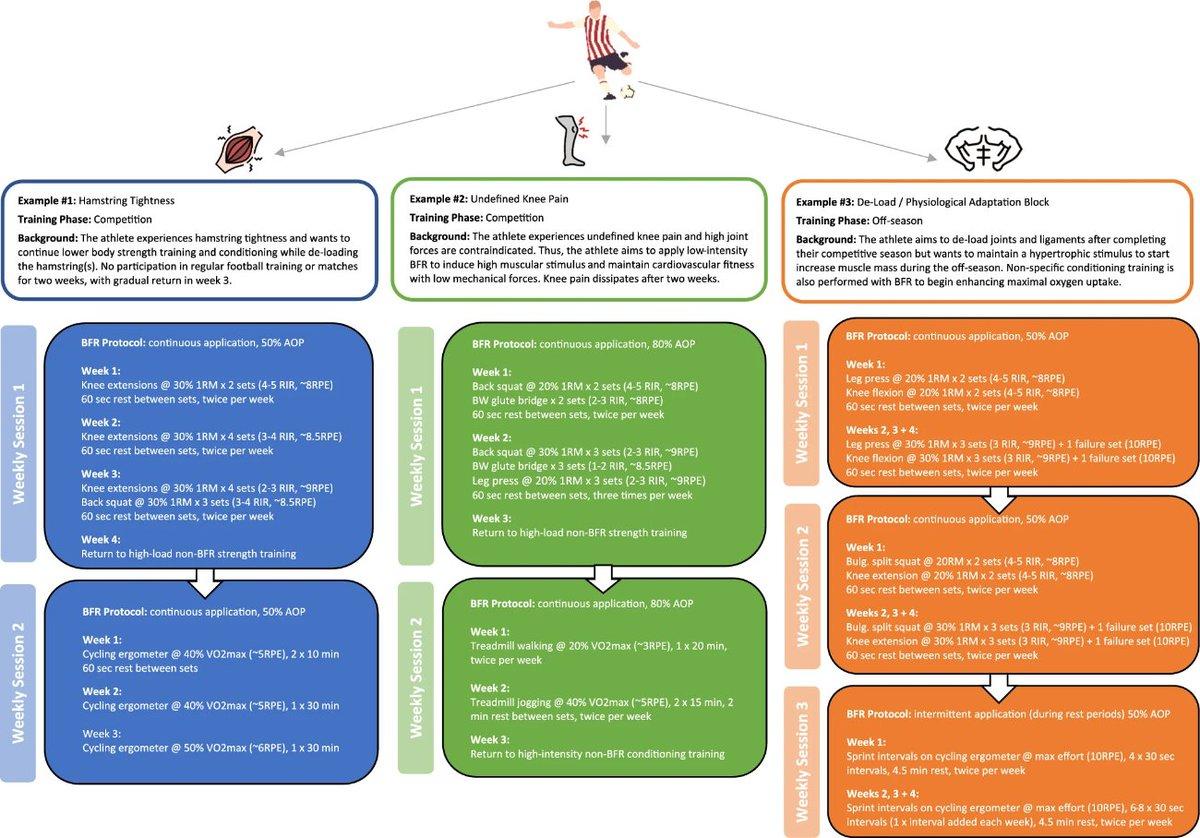
BFR Training: Emerging Tool for Athletic Performance
Where Does Blood Flow Restriction Fit in the Toolbox of Athletic Development? A Narrative Review of the Proposed Mechanisms and Potential Applications https://t.co/q9FCHYiew1 https://t.co/h4TKzaJL9t

AHA Links Lifelong Lifestyle Factors to Brain Health in New Scientific Statement
The American Heart Association released a scientific statement in the journal Stroke that frames brain health as the cumulative result of mental, physical, environmental and lifestyle choices from early life onward. The statement highlights the aging U.S. population and calls...
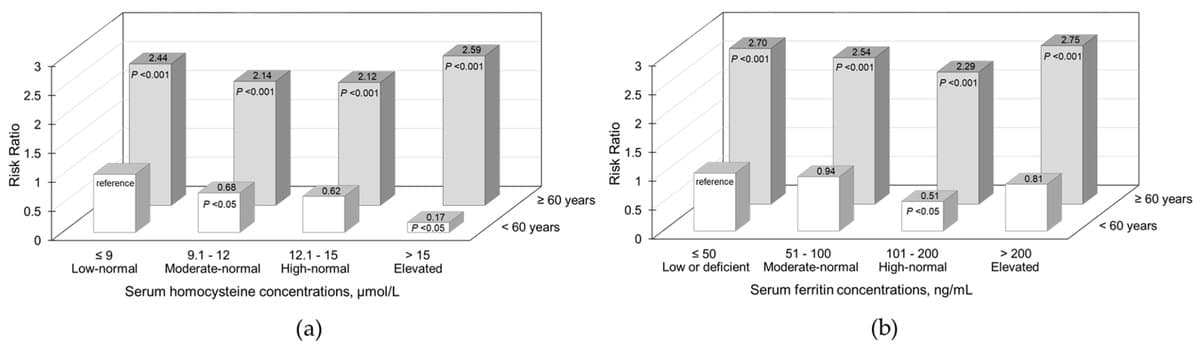
High‑Normal Ferritin May Lower Sarcopenia Risk, Homocysteine Harmful
Prospective Associations of Serum Vitamin B12, Homocysteine, and Ferritin Levels with Probable Sarcopenia 🔎"These findings suggest that high-normal ferritin levels may be optimal for alleviating PS risk, irrespective of age, and that elevated Hcy levels could be detrimental for older adults...
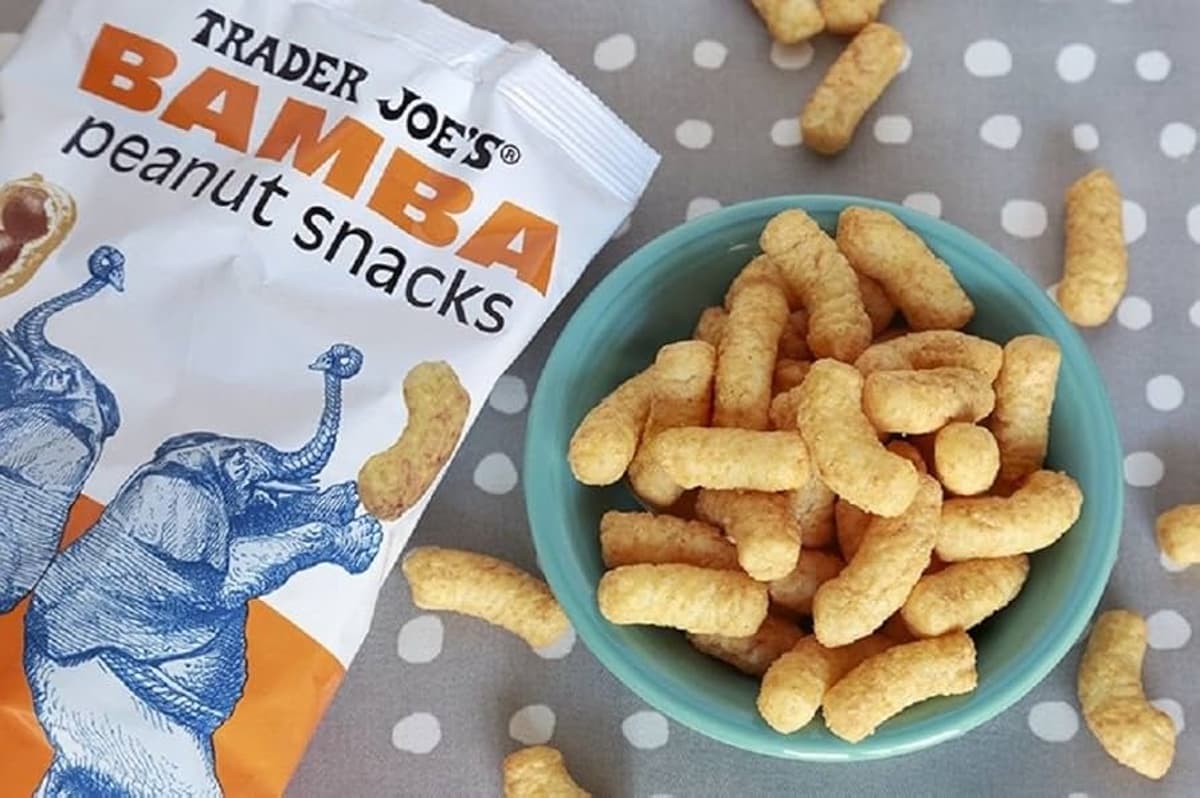
Introducing Peanuts at 4‑6 Months Cuts Allergies 77%
"Peanut allergies plummet by 77% if they're added to babies' diets at 4-6 months of age." This statistic traces back to a 2023 modeling study: Early introduction of peanut reduces peanut allergy across risk groups in pooled and causal inference analyses🥜https://t.co/SHULN2n2X5 https://t.co/CCFCt6Uguu

Reducing Cardiovascular Risk: A Playbook for Lipid-Lowering Pharmacotherapy
The episode outlines a practical decision‑making framework for lipid‑lowering pharmacotherapy, emphasizing that the key question is not whether to treat high LDL‑C but how to choose the optimal therapy. It explains how to assess baseline labs, identify the dominant cholesterol...

PAI‑1 Deficiency Extends Lifespan via Longer Telomeres
“🔘 Heterozygosity was associated with significantly longer leukocyte telomere length, lower fasting insulin levels, and lower prevalence of diabetes mellitus. 🔘In the extended Amish kindred, carriers of the null SERPINE1 allele had a longer life span. 🔘Our study indicates a causal effect...
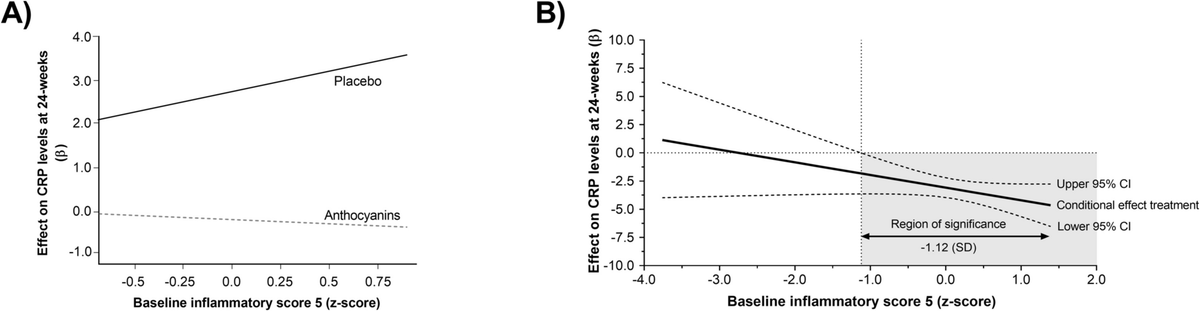
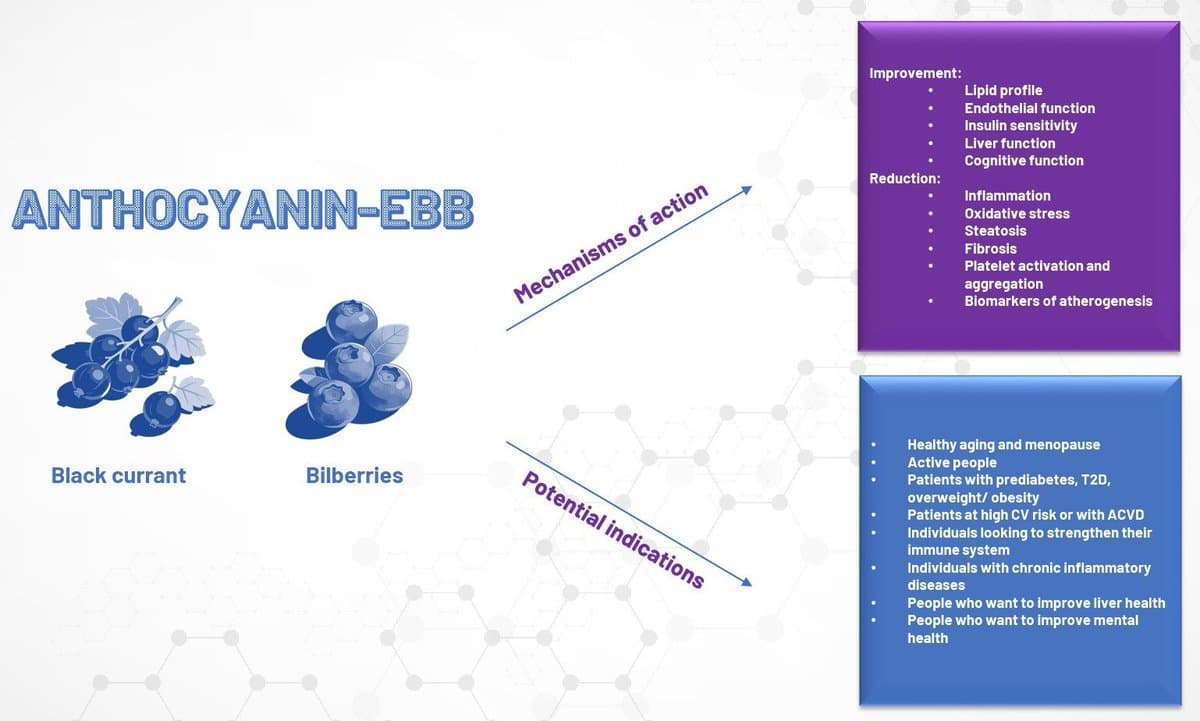
Anthocyanins Improve Cardiometabolic and Anti‑
Anthocyanin supplementation in adults at risk for dementia: a randomized controlled trial on its cardiometabolic and anti-inflammatory biomarker effects https://t.co/tHwVYQ3yvQ https://t.co/cxiRpkIj7W

Maurten Nutrition Powers Sabastian Sawe’s Sub‑2‑Hour Marathon Record
Maurten’s sports‑nutrition products were central to Sabastian Sawe’s 1:59:30 marathon world record in London, delivering 115 g of carbohydrate per hour. The Kenyan’s year‑long collaboration with the Swedish brand involved gut‑training, glycogen loading and a bespoke race‑day protocol, underscoring the growing...

Tony Robbins Opens AI-Powered Fountain Life Clinic in Houston
Tony Robbins, co‑founder of the AI‑driven longevity brand Fountain Life, opened the company's fifth clinic on the first floor of Houston’s Park House. The launch, attended by roughly 500 guests, showcases a luxury‑focused preventive health model that blends advanced diagnostics,...

Mitchell Hooper Claims Second World's Strongest Man Crown in 2026
Canadian strongman Mitchell Hooper captured his second World's Strongest Man title in 2026, edging out rival Oleksandr Nel by two points. The win follows Hooper's fourth straight Arnold Strongman Classic victory and underscores evolving training and recovery strategies among elite...