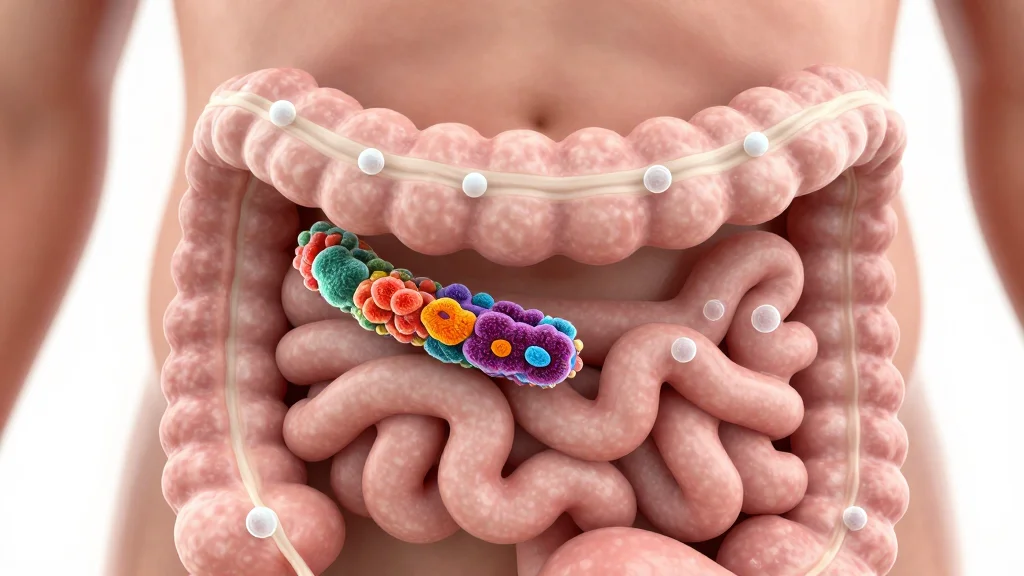
Aging Immune Decline Linked to Gut Microbiome Instability

Why It Matters
Understanding that immune decline, rather than microbial drift, may drive gut dysbiosis reframes a central puzzle in gerontology. If immune surveillance can be restored, it could stabilize the microbiome, reduce chronic inflammation, and potentially delay age‑related diseases linked to gut health, such as metabolic syndrome and neurodegeneration. The hypothesis also bridges two traditionally separate research domains—immunology and microbial ecology—encouraging interdisciplinary collaborations that could accelerate the development of next‑generation longevity therapies. For the biohacking community, the study offers a concrete target: enhancing mucosal immunity. Biohackers have long experimented with diet, supplements, and wearable technologies to modulate the gut. This research suggests that measuring and supporting immune markers, such as secretory IgA levels, might be as crucial as curating bacterial strains. It could shift DIY protocols toward a more holistic view of host‑microbe interaction, emphasizing immune health as a prerequisite for a resilient microbiome.
Key Takeaways
- •Study published in PLoS Biology links age‑related immune decline to gut microbiome destabilization.
- •Researchers propose immune surveillance, not microbial change, as the primary driver of dysbiosis.
- •Computational model shows limiting dominant microbes preserves ecosystem diversity.
- •Authors call for longitudinal human studies to validate immune‑centric hypothesis.
- •Potential therapeutic shift toward boosting mucosal immunity alongside probiotic use.
Pulse Analysis
The FLI team's hypothesis arrives at a moment when the biohacking market is saturated with microbiome‑focused products, from next‑gen probiotics to at‑home fecal‑transplant kits. By positioning immune surveillance as the gatekeeper of microbial balance, the study challenges the prevailing assumption that seeding the gut with "good" bacteria alone can restore health. Historically, attempts to manipulate the microbiome have produced mixed results, often because the host environment either rejects or reshapes introduced strains. If immune function is indeed the limiting factor, future biohacks may prioritize immune‑modulating interventions—such as targeted cytokine boosters, peptide therapies, or even personalized vaccines—over purely microbial solutions.
From a market perspective, this could catalyze a new segment of immune‑support supplements tailored to the gut mucosa. Companies that already track biomarkers like secretory IgA may gain a competitive edge by integrating those metrics into their feedback loops. Moreover, the study's call for testable predictions invites academic‑industry partnerships to develop assays that quantify immune surveillance capacity in real time, a capability that could become a premium feature in longevity platforms.
Looking ahead, the key question is whether enhancing immune surveillance can sustainably prevent dysbiosis without triggering autoimmunity. The balance between vigilance and tolerance is delicate, especially in older adults whose immune systems are already prone to dysregulation. Successful translation will require rigorous clinical trials that monitor both microbial composition and immune markers over years. If validated, the approach could redefine how biohackers and clinicians alike think about gut health, shifting the narrative from "what microbes are present" to "how the host controls them"—a paradigm that may unlock more durable pathways to healthy aging.
Aging Immune Decline Linked to Gut Microbiome Instability
Comments
Want to join the conversation?
Loading comments...