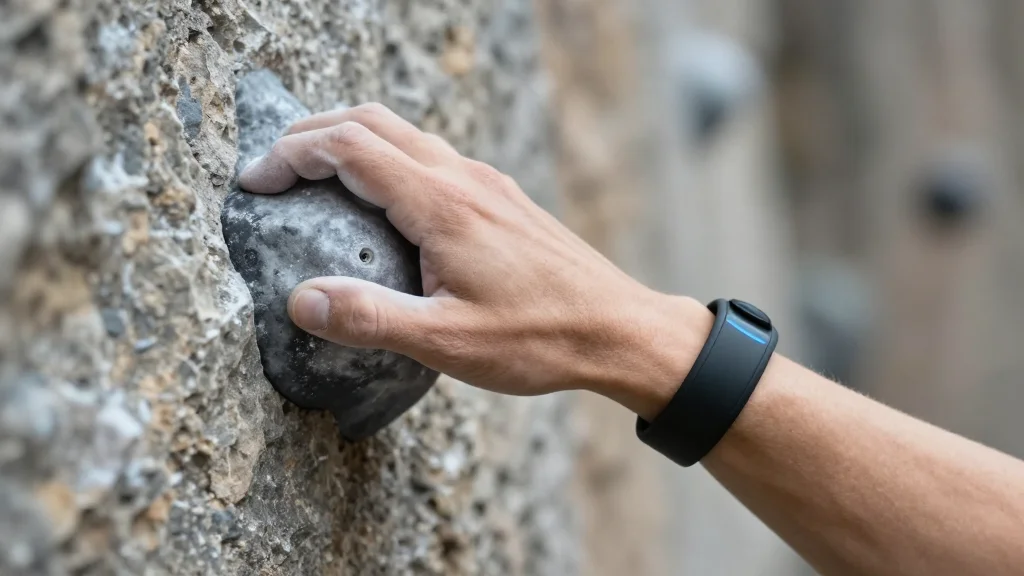
Elite Climbers Turn to Heart‑Rate Zone Training, Cutting Recovery Time 18%

Companies Mentioned
Why It Matters
Heart‑rate zone training is redefining how endurance‑focused athletes measure and improve performance. By quantifying recovery and efficiency, climbers can tailor workouts to avoid overuse injuries, a chronic issue in the sport. The shift also accelerates the adoption of wearable technology across the broader fitness industry, encouraging manufacturers to develop sport‑specific analytics. For the fitness market at large, the climbing example provides a template for other niche disciplines—such as trail running or CrossFit—to integrate physiological zoning into coaching curricula. As data becomes a gatekeeper for sponsorship and funding, athletes across the spectrum will need to become proficient in interpreting biometric feedback, potentially expanding the market for specialized coaching platforms and AI‑driven training apps.
Key Takeaways
- •Zone 3 training cuts recovery time between boulder attempts by 18% (2025 World Championships data).
- •USA Climbing awards 15% more funding to athletes who consistently meet Zone 3 targets.
- •Sports‑science budgets now devote 40% to wearable‑tech partnerships, up from 22% in 2023.
- •Slovenian coach Luka Potocnik calls sustained 83% HRmax performance "non‑negotiable" for medals.
- •IFSC plans mandatory heart‑rate monitoring for all World Cup qualifiers starting in 2027.
Pulse Analysis
The rapid uptake of heart‑rate zone training in elite climbing mirrors a broader fitness industry pivot toward precision physiology. Historically, endurance sports have relied on coarse metrics—pace, distance, or perceived effort. Wearable tech has lowered the barrier to granular data, but only now are governing bodies translating those numbers into funding and selection criteria. This creates a feedback loop: athletes who invest in telemetry gain competitive edges, which in turn justifies larger budget allocations for data infrastructure.
From a market perspective, the climbing sector’s embrace of zone‑based training could catalyze a new revenue stream for wearable manufacturers. Devices that can reliably segment intensity zones in real time and integrate with coaching platforms will command premium pricing, especially as federations standardize data collection. Moreover, the shift may spur a wave of specialized analytics services, akin to the performance labs that dominate track and field, but tailored to the unique demands of vertical sports.
Looking forward, the IFSC’s 2027 monitoring mandate could set a precedent for other sport federations, accelerating the convergence of competitive fitness and data science. Athletes who master the interpretation of heart‑rate zones will likely dominate not just climbing podiums but also the emerging market for data‑driven personal training. The next competitive edge may be less about chalk technique and more about algorithmic insight.
Elite Climbers Turn to Heart‑Rate Zone Training, Cutting Recovery Time 18%
Comments
Want to join the conversation?
Loading comments...