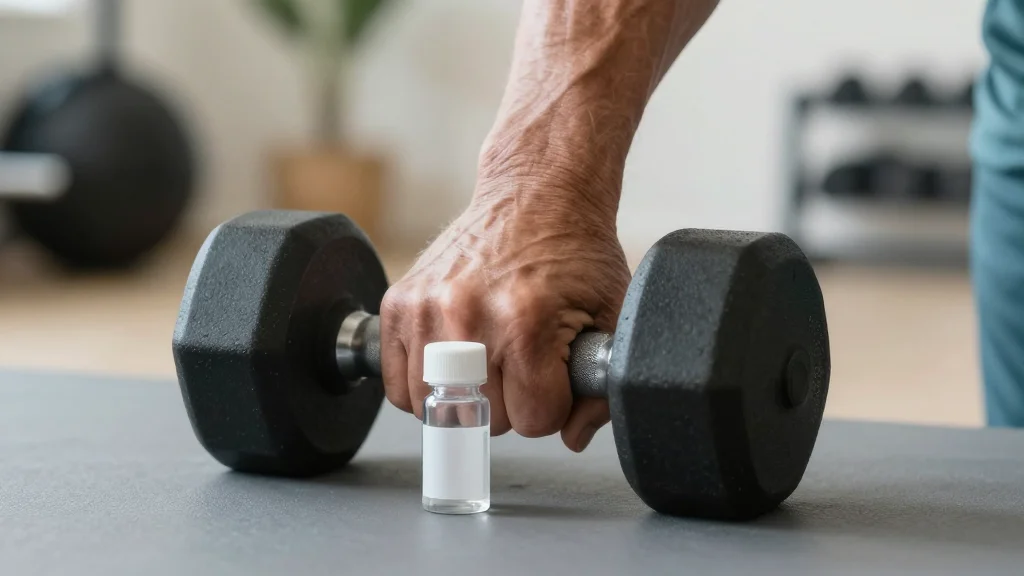
Study Finds Rapamycin May Undermine Exercise Gains in Seniors

Why It Matters
Rapamycin is the most widely studied longevity drug in animal models, and its off‑label use among biohackers has surged. Demonstrating that the drug may counteract exercise‑induced muscle gains forces a reassessment of popular regimens that promise both extended healthspan and enhanced physical performance. The study also highlights a broader scientific tension: interventions that trigger cellular maintenance pathways can clash with those that stimulate growth, a balance that will shape future anti‑aging protocols. If the antagonistic interaction holds true in larger populations, it could redirect research funding toward alternative compounds that support autophagy without suppressing mTORC1 during training, or toward refined dosing strategies that truly separate the two physiological windows.
Key Takeaways
- •40 participants aged 65‑85 completed a 13‑week trial of weekly 6 mg rapamycin vs placebo.
- •Both groups exercised three times weekly; placebo group showed greater chair‑stand gains.
- •Sensitivity analyses yielded statistically significant advantages for placebo on multiple functional tests.
- •Researchers attribute the blunted response to rapamycin’s 62‑hour half‑life overlapping training periods.
- •Study published in Journal of Cachexia, Sarcopenia and Muscle; funded by Lifespan Research Institute.
Pulse Analysis
The trial adds a crucial data point to the evolving conversation about pharmacological versus lifestyle interventions for longevity. Historically, rapamycin’s success in extending mouse lifespan has driven enthusiasm for its translation to humans, yet human trials remain sparse. This study’s negative interaction with exercise suggests that the drug’s systemic effects are not universally beneficial and that context matters. Biohackers have often treated rapamycin as a plug‑and‑play supplement, but the findings remind us that metabolic pathways are tightly interwoven; suppressing mTORC1 can impair the very protein synthesis needed for muscle adaptation.
From a market perspective, the result may temper demand for rapamycin kits marketed to fitness enthusiasts, potentially shifting consumer interest toward compounds like metformin or NAD+ precursors that have a less direct impact on anabolic signaling. Companies developing rapamycin analogs might need to prioritize formulations with shorter half‑lives or develop delivery systems that allow precise timing relative to workouts. Meanwhile, academic labs are likely to explore staggered dosing regimens, perhaps administering rapamycin on days without training or using intermittent high‑dose pulses to minimize overlap.
Looking ahead, the biohacking community will watch for follow‑up studies that test alternative schedules, combination therapies, or biomarkers that can personalize rapamycin use. Until then, the prudent approach for individuals seeking both longevity and strength gains is to keep the two interventions separate, or to prioritize one over the other based on personal health goals.
Study Finds Rapamycin May Undermine Exercise Gains in Seniors
Comments
Want to join the conversation?
Loading comments...