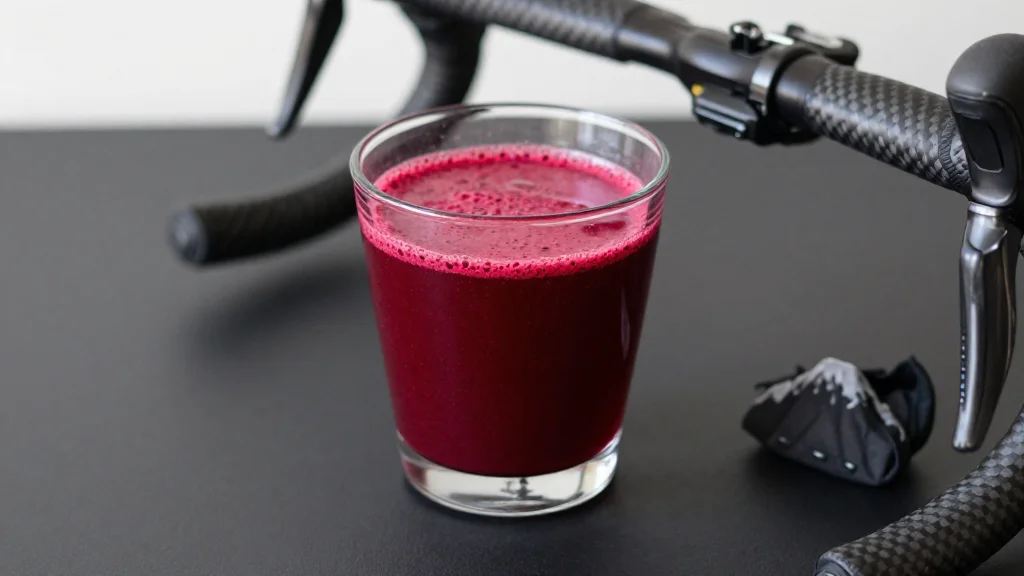
Beetroot Juice Boosts Power Output by 11% and Speeds Recovery, New Studies Show

Why It Matters
The studies arrive at a moment when the fitness industry is hungry for evidence‑backed, natural performance enhancers. Beetroot juice offers a low‑cost, widely available alternative to patented nitrate powders, aligning with consumer trends toward clean eating and functional foods. If larger trials validate the early results, gyms and sports teams may incorporate beetroot protocols into warm‑up routines, while supplement manufacturers could launch standardized beetroot‑juice shots aimed at sprint athletes, climbers, and high‑intensity interval training (HIIT) participants. Beyond product development, the findings could reshape training periodization. Coaches might prescribe beetroot juice on days requiring maximal power output or on recovery days to blunt muscle soreness, potentially reducing reliance on NSAIDs and accelerating return‑to‑play timelines. The research also underscores the importance of dietary nitrate as a modifiable factor in athletic performance, prompting further investigation into other nitrate‑rich foods and their synergistic effects with training.
Key Takeaways
- •140 ml beetroot juice raised peak cycling power by 11% in a 30‑second sprint test.
- •70 ml beetroot juice reduced calf soreness 24 hours after a 4,000‑meter climb.
- •Both studies link benefits to nitrate conversion into nitric oxide, improving blood flow.
- •A 2025 review of 50 studies confirmed beetroot juice enhances oxygen efficiency and endurance.
- •Researchers note small sample sizes and call for larger trials to establish dosing guidelines.
Pulse Analysis
Nitrate supplementation is not new; athletes have long used beetroot powder or concentrated extracts to tap into nitric oxide pathways. What sets these two recent studies apart is the focus on real‑world performance scenarios—a sprint cycling test and a high‑altitude climb—rather than laboratory treadmill protocols. The magnitude of the power gains (double‑digit percentages) rivals those reported for caffeine, a staple ergogenic aid, suggesting beetroot could compete for a spot in elite training arsenals.
Historically, the sports nutrition market has been dominated by synthetic compounds with clear dosing guidelines, such as creatine monohydrate and beta‑alanine. Beetroot juice, by contrast, presents a regulatory gray area: it is a food, not a drug, which simplifies market entry but complicates standardization. Companies that can reliably quantify nitrate content and package the juice in consistent, shelf‑stable formats will likely capture early adopters, especially as consumers gravitate toward “clean label” products.
Looking ahead, the key challenge will be translating these modest, lab‑scale findings into scalable recommendations for the broader fitness community. Larger, multi‑center trials that track blood nitrate levels, long‑term health outcomes, and performance across diverse sports will be essential. If such data confirm the early promise, we could see a shift in pre‑workout formulations, with beetroot juice or its nitrate‑rich derivatives becoming a staple alongside caffeine and electrolytes. Until then, trainers should treat beetroot as a promising adjunct rather than a guaranteed performance booster.
Beetroot Juice Boosts Power Output by 11% and Speeds Recovery, New Studies Show
Comments
Want to join the conversation?
Loading comments...