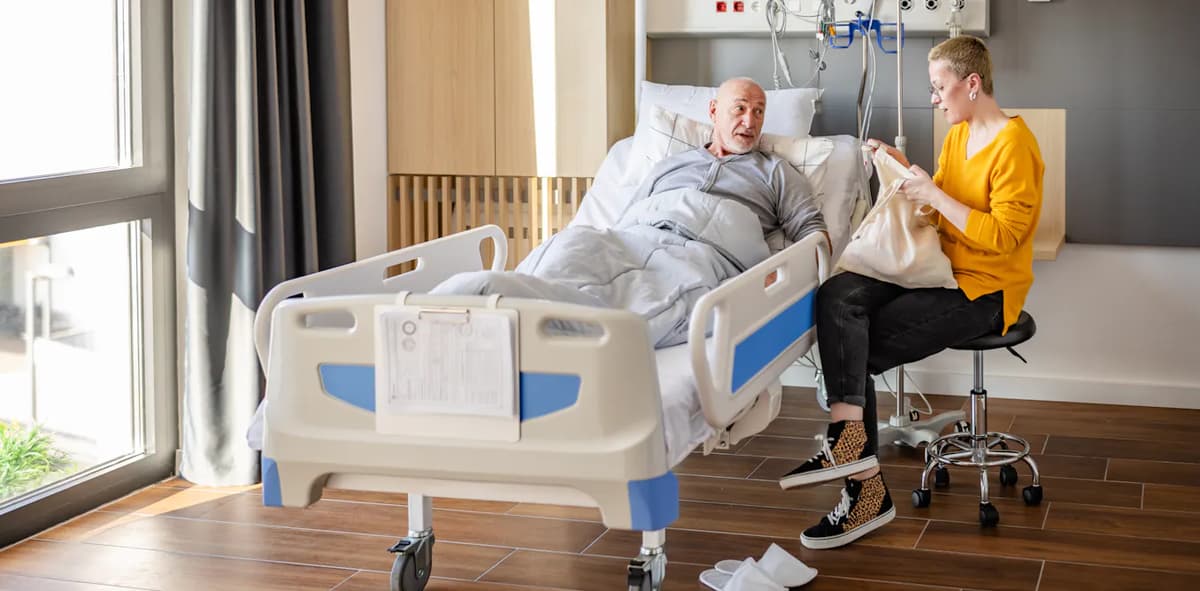
Brushing Your Teeth in Hospital Could Reduce the Chance of Catching Pneumonia
Why It Matters
Reducing hospital‑acquired pneumonia saves lives, shortens stays and cuts costly bed days, making oral care a high‑impact, inexpensive addition to infection‑control programs.
Key Takeaways
- •60% drop in non‑ventilator hospital pneumonia rates.
- •Oral care compliance rose from 16% to 62% after intervention.
- •Study covered 8,870 patients in three Australian hospitals.
- •Each infection avoided saves 10‑48 hospital days and reduces mortality.
- •Simple toothbrush kits can be implemented hospital‑wide at low cost.
Pulse Analysis
Hospital‑acquired pneumonia remains a leading cause of morbidity and mortality in inpatient settings, especially the non‑ventilator form that afflicts patients outside intensive care. Traditional prevention focuses on ventilation protocols, yet this subtype often flies under the radar, with limited reporting and inconsistent monitoring. The oral cavity harbors billions of bacteria, and when patients are ill, sedated or immobile, bacterial colonisation can surge, creating a reservoir for aspiration into the lungs.
The Australian stepped‑wedge cluster trial introduced a straightforward oral‑care bundle: a toothbrush and toothpaste at admission, staff and patient education, assistance for those unable to brush, and regular audits with feedback. Across three hospitals, compliance jumped to 62%, and the incidence of non‑ventilator pneumonia fell by 60%, translating to fewer than four cases per month on a 30‑bed ward. By converting a simple mechanical act into a measurable preventive measure, the study demonstrates that even modest changes in routine care can generate substantial clinical benefits.
For healthcare leaders, the findings make a compelling business case. Each avoided pneumonia episode can shave 10 to 48 days from a patient’s stay and dramatically lower the eight‑fold increase in mortality risk, yielding significant cost savings in a system where bed occupancy drives revenue. Incorporating oral‑care protocols into national infection‑prevention guidelines and nursing standards could standardise the practice, while empowering patients to request toothbrushes adds a layer of accountability. Ultimately, the research underscores that low‑tech interventions, when rigorously applied, can rival high‑tech solutions in improving patient outcomes and reducing expenditures.
Brushing your teeth in hospital could reduce the chance of catching pneumonia
Comments
Want to join the conversation?
Loading comments...