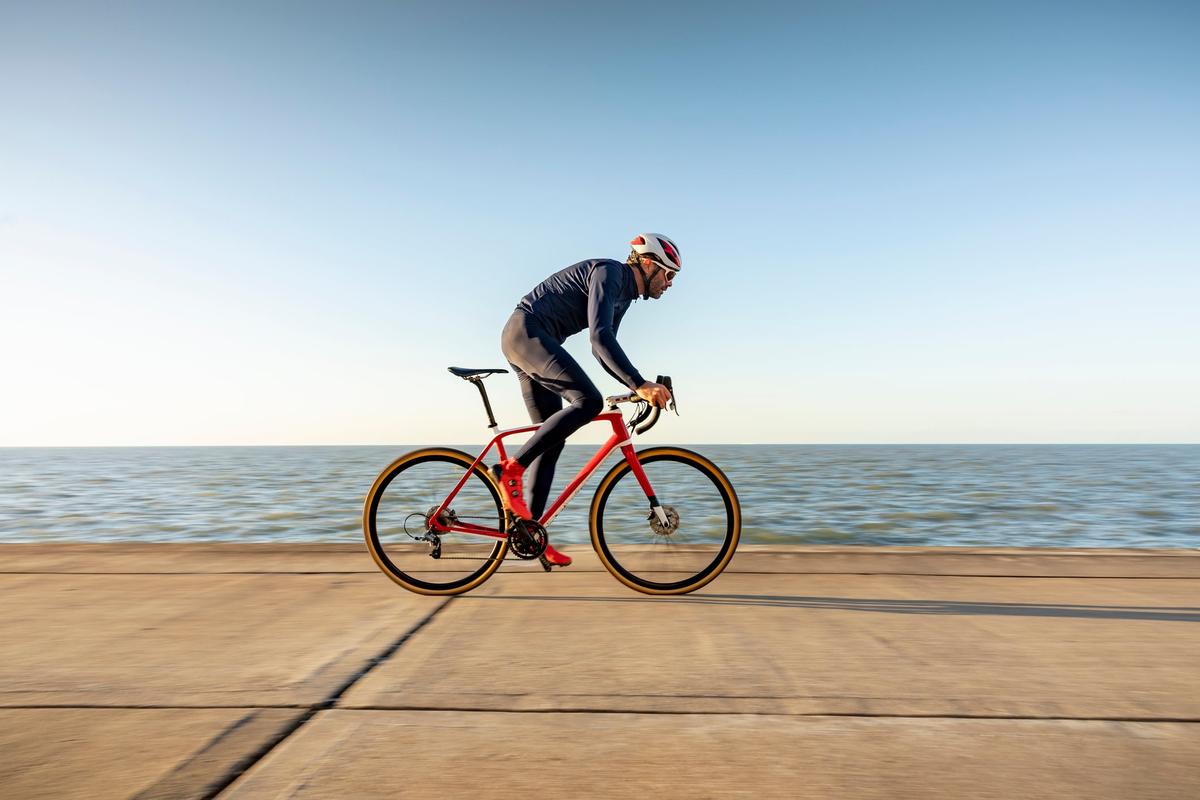
HTBA’s Vitamin B12 Could Improve Cycling Performance
Why It Matters
The findings suggest a low‑dose, short‑term B12 strategy can enhance both physical output and mental sharpness, offering a competitive edge for cyclists and other high‑intensity athletes. This could reshape sports‑nutrition formulations and training protocols that currently overlook methylcobalamin’s specific benefits.
Key Takeaways
- •MecobalActive raised serum B12 by ~17% in three days
- •Cyclists showed higher peak power and less fatigue during Wingate sprints
- •Reaction‑time cognitive test scores improved after short‑term methylcobalamin
- •Methylcobalamin may enhance neuromuscular efficiency via nerve conduction
- •Study used triple‑blind, placebo‑controlled crossover design with 18 amateur cyclists
Pulse Analysis
Vitamin B12 is a cornerstone of cellular energy production, red‑blood‑cell formation, and neuromuscular signaling. While most sports‑nutrition products rely on cyanocobalamin, methylcobalamin (MeB12) is the biologically active form that directly participates in the methylation cycle, supporting DNA synthesis and neurotransmitter balance. Prior research has hinted at superior tissue uptake for MeB12, yet evidence linking it to athletic performance remains sparse. The HTBA trial fills this gap by isolating MeB12’s impact on anaerobic power and cognition, offering a data‑driven rationale for its inclusion in high‑intensity training regimens.
In the study, 18 male amateur cyclists underwent two three‑day supplementation phases—MeB12 or placebo—separated by a week‑long washout. The protocol featured five maximal 30‑second Wingate sprints, a gold‑standard test of anaerobic capacity, interspersed with recovery periods. Results showed a statistically significant lift in both absolute and relative peak power, alongside a reduced decline in power across sprints, indicating enhanced fatigue resistance. Cognitive testing revealed faster reaction times post‑exercise, suggesting MeB12’s role in sustaining mental acuity under physiological stress. Serum B12 rose by roughly 16.8%, confirming effective absorption from the sublingual tablets.
For the broader sports‑nutrition market, these outcomes signal a shift toward form‑specific B12 supplementation. Athletes seeking marginal gains may adopt short‑term MeB12 protocols before key competitions or intense training blocks. Coaches and dietitians should consider baseline B12 status but also recognize that benefits appeared even in participants with normal levels, implying a performance‑oriented effect beyond deficiency correction. Future investigations should expand sample sizes, include female athletes, and track functional biomarkers like methylmalonic acid to solidify dosing guidelines. Until then, HTBA’s MecobalActive offers a scientifically backed, low‑risk option to amplify power output and cognitive sharpness in demanding cycling scenarios.
HTBA’s vitamin b12 could improve cycling performance
Comments
Want to join the conversation?
Loading comments...