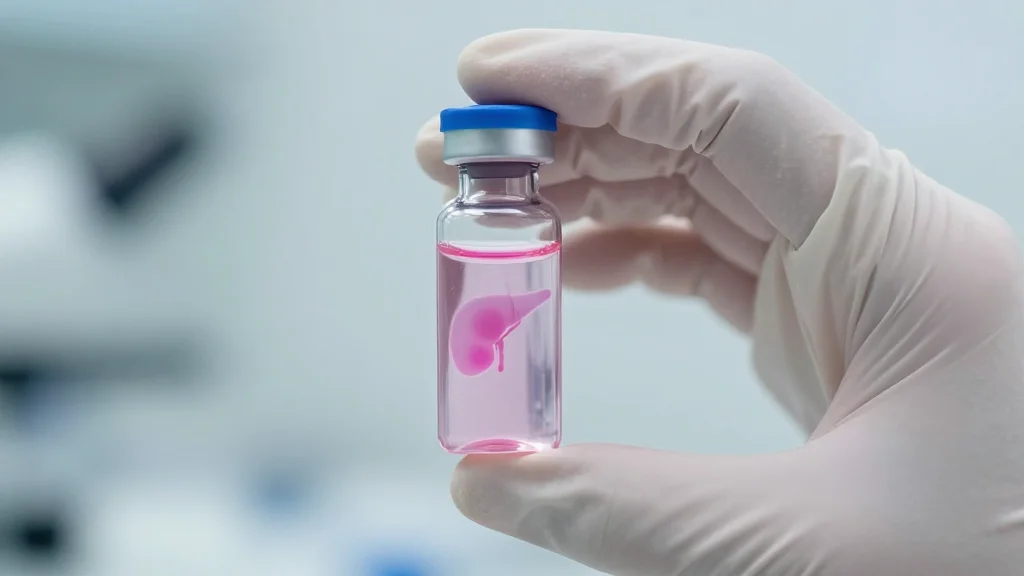
Engineered Stem Cells Cure New‑Onset Type 1 Diabetes in Mice, Study Shows

Why It Matters
Type 1 diabetes affects roughly 1.6 million Americans and currently requires lifelong insulin therapy, which does not address the underlying autoimmune attack. A curative approach that restores endogenous insulin production could eliminate daily injections, reduce long‑term complications, and lower healthcare costs associated with chronic management. Moreover, the dual‑action design of AAT‑MSCs illustrates how bioengineers can combine tissue‑protective and immune‑reprogramming functions, a strategy that may be applicable to other autoimmune conditions such as multiple sclerosis or lupus. Beyond the clinical promise, the breakthrough highlights the accelerating convergence of gene editing, stem cell biology, and single‑cell analytics. By demonstrating that a transient cellular infusion can induce lasting immune tolerance, the work challenges the prevailing view that durable autoimmunity requires continuous pharmacologic suppression. If validated in humans, this could reshape research funding priorities and accelerate the pipeline for next‑generation cell therapies.
Key Takeaways
- •MUSC researchers engineered mesenchymal stem cells to express alpha‑1 antitrypsin (AAT).
- •A single infusion of AAT‑MSCs reversed hyperglycemia in mice with new‑onset type 1 diabetes.
- •Treatment increased regulatory T‑cells and reduced activated CD8⁺ cytotoxic T‑cells.
- •The engineered cells persisted only hours‑days, yet immune reprogramming lasted weeks.
- •A Phase 1 human trial is planned within 12‑18 months, targeting early‑stage T1D patients.
Pulse Analysis
The AAT‑MSC platform arrives at a moment when the biotech industry is aggressively pursuing multifunctional cell therapies. Historically, mesenchymal stem cells have been touted for their immunomodulatory properties, but clinical outcomes have been modest due to rapid clearance and insufficient potency. By embedding a potent anti‑inflammatory protein directly into the cell’s genome, Wang’s team sidesteps the need for repeated dosing and creates a self‑amplifying therapeutic loop. This design mirrors trends in CAR‑T cell engineering, where a single cellular product can deliver sustained activity.
From a market perspective, the diabetes space is dominated by insulin analogs, continuous glucose monitors, and emerging closed‑loop pumps. A curative cell therapy would represent a disruptive shift, potentially capturing a multi‑billion‑dollar market. Investors have already allocated over $2 billion to cell‑based autoimmune programs, and the AAT‑MSC approach could attract strategic partnerships with firms that have manufacturing expertise in GMP‑grade stem cells. However, regulatory pathways for gene‑edited cellular products remain complex, and safety concerns—particularly off‑target immune effects—will be scrutinized.
Looking ahead, the key challenge will be translating the mouse model’s rapid reversal into durable human outcomes. Human T1D is heterogeneous, with variable autoantibody profiles and disease trajectories. The upcoming Phase 1 trial will need to demonstrate not only safety but also a measurable increase in C‑peptide levels and reduction in exogenous insulin use. If successful, the technology could serve as a template for tackling other organ‑specific autoimmunities, positioning biohacking research at the forefront of next‑generation precision medicine.
Engineered Stem Cells Cure New‑Onset Type 1 Diabetes in Mice, Study Shows
Comments
Want to join the conversation?
Loading comments...