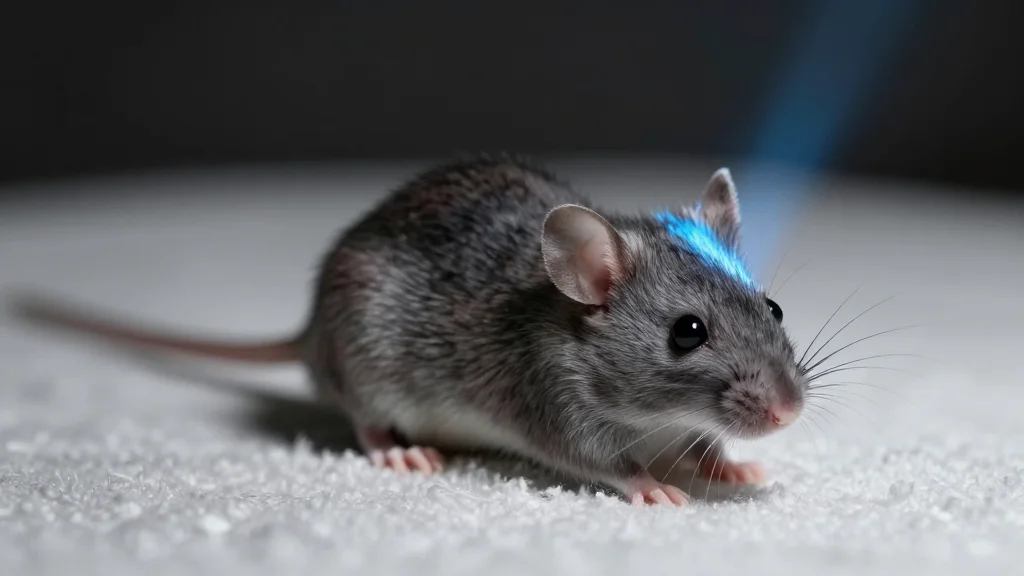
Scientists Induce Deep‑Sleep Brain Activity in Awake Mice, Paving Way for Human Cognitive Boosts

Why It Matters
If transcranial stimulation can safely mimic deep‑sleep processes, it could redefine how societies manage work‑life balance, offering a tool to mitigate the cognitive costs of sleep loss in shift workers, medical residents, and high‑stress professionals. Moreover, the technology could become a therapeutic avenue for patients with sleep disorders or neurodegenerative conditions where sleep architecture is disrupted. Conversely, the ability to shortcut sleep may exacerbate existing pressures to maximize waking productivity, potentially undermining public health messages about the necessity of regular, restorative sleep. Policymakers, employers, and ethicists will need to consider guidelines that prevent misuse while encouraging responsible innovation.
Key Takeaways
- •30‑minute light‑driven cortical stimulation in awake mice reproduced slow‑wave activity typical of NREM sleep.
- •Stimulated mice showed no electrophysiological signs of exhaustion after five hours of wakefulness.
- •Memory test performance of stimulated, sleep‑deprived mice matched that of fully rested controls.
- •NREM sleep accounts for roughly 80% of adult sleep and is linked to synaptic homeostasis.
- •Researchers aim to test non‑invasive transcranial electrical stimulation in humans within a year.
Pulse Analysis
The ability to artificially induce slow‑wave activity while awake challenges the long‑standing view that deep sleep is an immutable biological requirement. Historically, attempts to replace sleep have focused on pharmacological stimulants, which often impair cognition and health. This neuro‑engineering approach, by contrast, targets the brain’s intrinsic maintenance mechanisms, offering a more nuanced method of cognitive restoration. If human trials confirm the mouse findings, we could see a new class of neuro‑enhancement devices that complement, rather than replace, natural sleep.
From a market perspective, the technology sits at the intersection of neurotechnology, wellness, and productivity software. Companies like Neuralink and Muse have already explored brain‑computer interfaces for meditation and focus; a sleep‑mimicking device could attract both consumer and enterprise customers seeking to reduce fatigue‑related errors. However, regulatory pathways will be complex, as agencies must evaluate not only safety but also the broader societal impact of normalizing reduced sleep.
Looking ahead, the key question is whether short‑term cognitive gains outweigh the long‑term physiological roles of sleep. Even if memory consolidation can be preserved, the metabolic, hormonal, and immune functions of sleep may remain irreplaceable. The next wave of research will need to map these dimensions, ensuring that any human application does not create a hidden health cost. In the meantime, the study provides a compelling proof‑of‑concept that could catalyze a paradigm shift in how we think about human potential and the limits of biological necessity.
Scientists Induce Deep‑Sleep Brain Activity in Awake Mice, Paving Way for Human Cognitive Boosts
Comments
Want to join the conversation?
Loading comments...