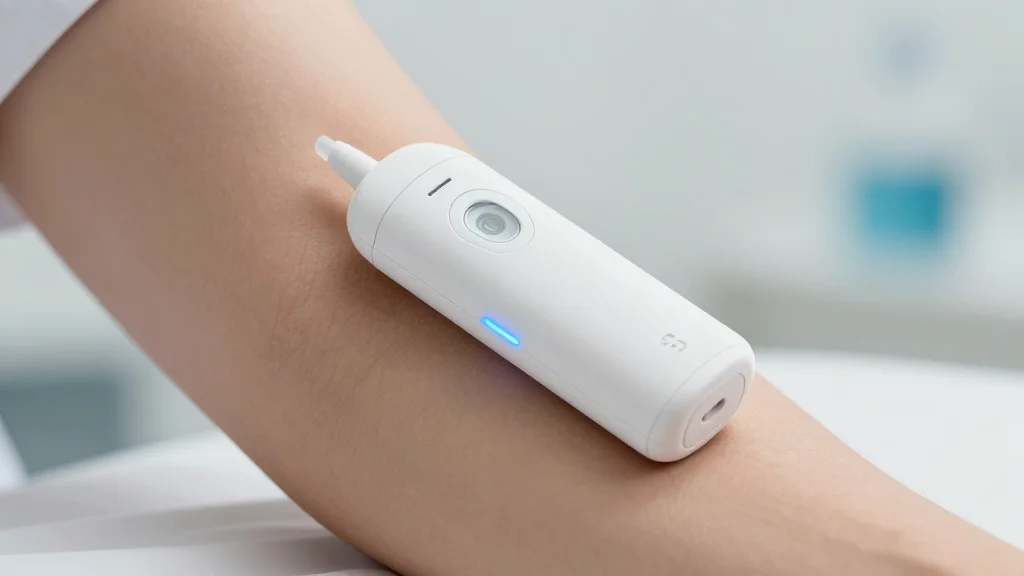
Insulet Reports Positive Clinical Data for Omnipod 6 Fully Closed‑Loop System

Why It Matters
The positive STRIVE and EVOLUTION 3 outcomes signal a shift from semi‑automated to truly hands‑free insulin delivery, a long‑sought milestone for both patients and the biohacking ecosystem. By delivering up to half again as much insulin automatically, the system could lower hypoglycemia risk and reduce the cognitive load of diabetes management, expanding access for children, older adults, and those with limited dexterity. For the broader biohacking community, Insulet’s progress validates the commercial viability of closed‑loop concepts that originated in open‑source projects. It may accelerate partnerships between device manufacturers and DIY developers, fostering a hybrid model where proprietary hardware benefits from community‑driven algorithmic innovation while maintaining regulatory compliance.
Key Takeaways
- •STRIVE trial enrolled 132 participants (98 type 1, 34 type 2)
- •Omnipod 6 algorithm delivered up to 50% more automated insulin
- •Mean baseline HbA1c was 6.9% (type 1) and 7.3% (type 2)
- •Omnipod 6 slated for commercial launch in 2026; fully closed‑loop for type 2 in 2028
- •FDA IDE study for fully closed‑loop system initiated in May 2026
Pulse Analysis
Insulet’s latest data underscore a maturation point for hybrid closed‑loop technology that began with early pump‑CGM integrations a decade ago. Compared with competitors such as Medtronic’s MiniMed 780G and Abbott’s Libre 3‑linked system, Omnipod 6 differentiates itself through a tubeless pod design and an adaptive algorithm that scales insulin delivery by up to 50% during hyperglycemic events. This technical edge could translate into higher adherence rates, especially among pediatric users who struggle with infusion‑set discomfort.
From a biohacking perspective, the commercial success of Omnipod 6 may compress the timeline for DIY platforms to achieve parity. Open‑source loops have demonstrated safety and efficacy, but they remain limited by regulatory uncertainty and the need for technical expertise. Insulet’s move toward a fully closed‑loop solution for type 2 diabetes—an area traditionally underserved by automated pumps—could broaden the market, prompting insurers to cover advanced AID therapy for a larger patient pool. The resulting economies of scale may lower device costs, indirectly benefiting the DIY community through cheaper hardware and more robust data ecosystems.
Looking forward, the critical variables will be FDA clearance pathways, real‑world evidence of reduced daily bolus counts, and the company’s ability to integrate patient‑generated data into clinical workflows. If Insulet can demonstrate that its system not only improves glycemic metrics but also eases provider burden, it could set a new standard for automated insulin delivery, compelling other manufacturers to accelerate their own fully closed‑loop pipelines. The biohacking sector will likely respond by focusing on interoperability, open data standards, and personalized algorithm tweaks that complement, rather than compete with, commercial offerings.
Insulet Reports Positive Clinical Data for Omnipod 6 Fully Closed‑Loop System
Comments
Want to join the conversation?
Loading comments...