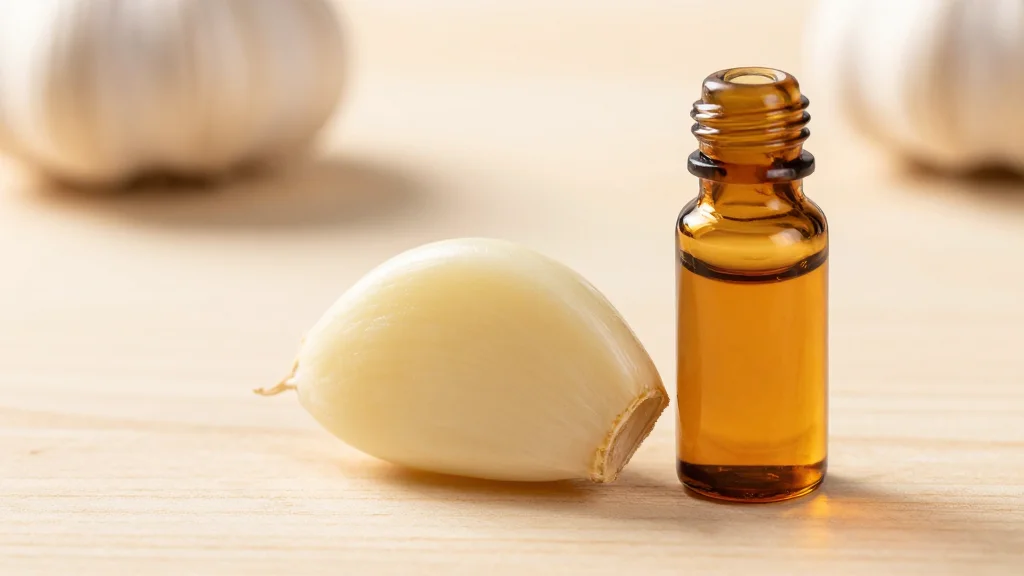
Aged Garlic Compound S‑allyl Cysteine Boosts Longevity Pathways in Mice and Humans

Why It Matters
The discovery that a readily available garlic‑derived molecule can activate a systemic NAD+‑supporting pathway directly addresses a core demand among biohackers: natural, evidence‑based interventions that extend healthspan. By linking fat tissue, the brain, and muscle, the research expands the conceptual framework of longevity beyond isolated organ targets, suggesting that whole‑body signaling can be modulated through diet. If validated in larger human cohorts, S1PC could diversify the supplement market, reduce reliance on synthetic NAD+ precursors, and inspire new product lines that emphasize multi‑organ synergy. Moreover, the study underscores the importance of translational pipelines that move from cell models to animal work and finally to human trials. It demonstrates that biohacking trends can be grounded in rigorous science, potentially shifting consumer confidence toward clinically vetted nutraceuticals rather than anecdotal claims.
Key Takeaways
- •S‑allyl cysteine (S1PC) from aged garlic activates adipose release of eNAMPT, a NAD+‑supporting protein.
- •Eight‑month S1PC treatment improved grip strength and lowered frailty scores in aged mice without increasing muscle size.
- •A single 25 mg S1PC tablet raised circulating eNAMPT in adults over 40 within 120 minutes.
- •Human trial involved 40 healthy adults (ages 20‑49) in a randomized, placebo‑controlled design.
- •Findings suggest a new, food‑based route to influence NAD+ metabolism, a key target for longevity‑focused biohackers.
Pulse Analysis
The S1PC study arrives at a moment when the biohacking community is saturated with NAD+ precursors that require high daily doses and costly manufacturing. By demonstrating that a low‑dose, food‑derived compound can modulate the same metabolic axis, the research could catalyze a shift toward more accessible, plant‑based interventions. Historically, longevity supplements have struggled with reproducibility; this work’s multi‑level approach—cell, mouse, and human—offers a template for future validation.
From a market perspective, the supplement industry is poised to integrate S1PC into existing formulations, either as a standalone aged garlic extract or blended with NMN/NR to create synergistic stacks. Companies that secure exclusive rights to high‑purity S1PC or develop proprietary delivery systems may capture premium pricing, especially if they can substantiate functional outcomes in follow‑up trials. The regulatory landscape will also be a factor: while aged garlic extract is generally recognized as safe, claims about muscle function or longevity will likely attract scrutiny from the FDA.
Looking ahead, the key risk lies in translating the mouse muscle benefits to humans. The current human data are limited to a biomarker shift; without functional endpoints, consumer adoption may remain cautious. However, the clear mechanistic link provides a compelling narrative for early adopters, and the low cost of garlic‑based supplements could drive rapid market penetration. If larger trials confirm efficacy, S1PC could become a cornerstone of the next generation of biohacking protocols, reinforcing the trend toward evidence‑backed, whole‑body approaches to healthy aging.
Aged Garlic Compound S‑allyl Cysteine Boosts Longevity Pathways in Mice and Humans
Comments
Want to join the conversation?
Loading comments...