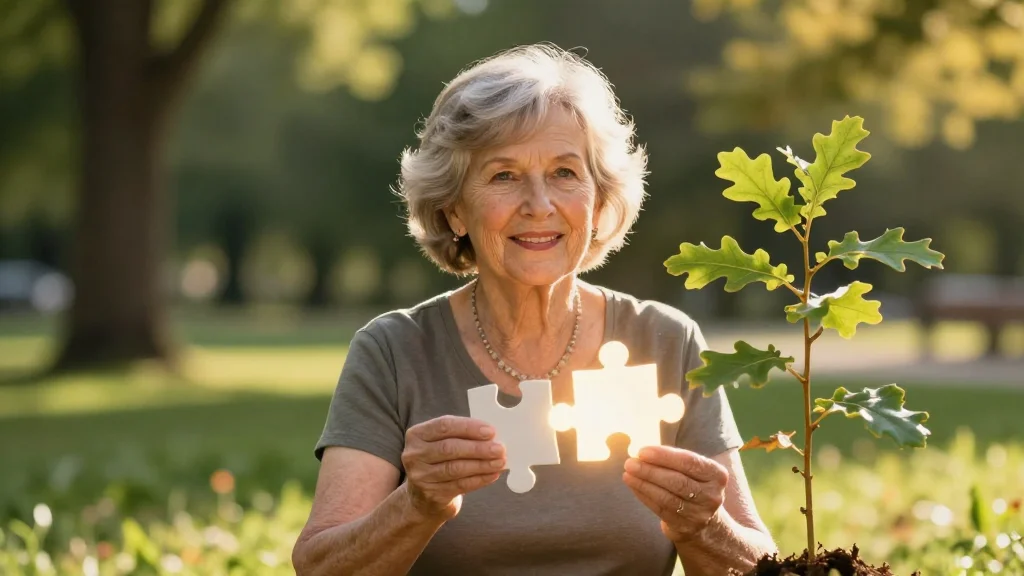
Brazilian ‘SuperAgers’ Over 80 Match Memory of 50‑Year‑Olds, Study Finds

Why It Matters
The Brazilian SuperAger study reframes the narrative around aging from one of inevitable decline to one of possible preservation, directly impacting the Human Potential agenda. By identifying biological markers and lifestyle practices that sustain memory, the research offers a blueprint for extending cognitive health, which is central to personal productivity, creativity, and societal contribution. If the mechanisms uncovered prove scalable, they could reduce the burden of dementia on healthcare systems worldwide, freeing resources for other aspects of human development. The findings also empower individuals to adopt evidence‑based habits—social engagement, lifelong learning, and possibly targeted nutrition—that may prolong mental sharpness, thereby expanding the window of peak human performance.
Key Takeaways
- •Brazilian adults 80+ performed memory tests at the level of typical 50‑year‑olds.
- •Neuroimaging showed fewer amyloid plaques and higher von Economo neuron density.
- •Participants maintained active social lives and regular mentally demanding activities.
- •Study published in Alzheimer’s & Dementia, April 2026, by Northwestern University researchers.
- •Findings could guide drug development and community‑based cognitive‑preservation programs.
Pulse Analysis
The SuperAger phenomenon aligns with a growing body of evidence that cognitive aging is heterogeneous rather than monolithic. Historically, the field has focused on pathological decline, but the Northwestern data suggest a subset of the population possesses innate or acquired neuroprotective factors. This shift mirrors trends in precision medicine, where interventions are tailored to individual risk profiles rather than applied universally.
From a market perspective, the study opens new avenues for biotech firms developing therapeutics that mimic the protective pathways observed in SuperAgers. Companies that can translate the higher von Economo neuron count or reduced plaque burden into drug targets may capture a sizable share of the projected $1.5 trillion dementia‑care market. Simultaneously, the lifestyle component fuels demand for digital platforms that promote social interaction and cognitive training for seniors, a sector already seeing rapid growth.
Looking ahead, the key challenge will be distinguishing correlation from causation. While the Brazilian cohort offers a compelling case study, replicating these results across diverse ethnic and socioeconomic groups will be essential. If future research confirms that social engagement and mental stimulation can be systematically leveraged, policymakers may prioritize community centers, lifelong‑learning programs, and intergenerational initiatives as cost‑effective public‑health tools. In that scenario, the definition of "human potential" would expand to include not just youthful achievement but sustained high‑level cognition well into the later decades of life.
Brazilian ‘SuperAgers’ Over 80 Match Memory of 50‑Year‑Olds, Study Finds
Comments
Want to join the conversation?
Loading comments...