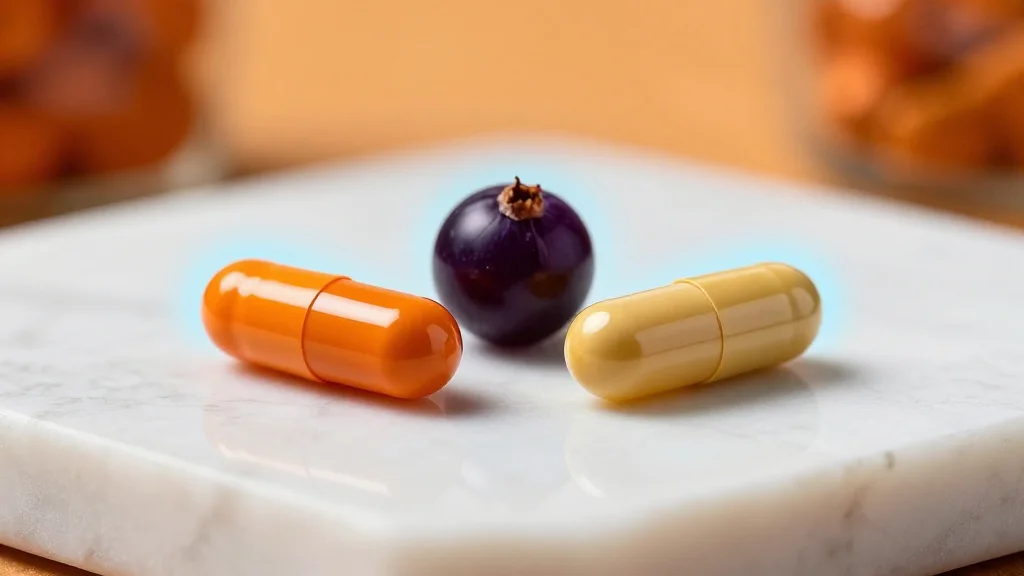
Study Finds Berberine, Curcumin and Blackcurrant May Boost Hot‑Weather Workout Performance

Why It Matters
Heat stress is a growing concern for athletes as climate change drives hotter, longer summers. By identifying low‑cost, widely available supplements that can modestly lower core temperature and heart rate, the study offers a practical countermeasure that could reduce heat‑related fatigue, dehydration risk and performance decline. For coaches and event organizers, the findings provide a data‑driven option to help participants acclimate safely, potentially lowering medical incidents during high‑temperature competitions. Beyond immediate performance, the research highlights a broader shift toward evidence‑based nutrition strategies that address environmental stressors. If subsequent trials confirm the benefits, supplement manufacturers may invest in targeted formulations, while sports medicine guidelines could incorporate short‑term supplementation protocols as part of heat‑acclimation programs.
Key Takeaways
- •Berberine 1.5 g daily for 7 days reduced perceived exertion in hot‑room treadmill tests
- •Curcumin 500 mg daily for 3 days lowered post‑exercise inflammation markers
- •Blackcurrant 600 mg daily for 7 days improved gastrointestinal health and limited core temperature rise
- •Heart‑rate reductions of 3‑8 bpm observed when berberine and curcumin were combined
- •Researchers advise short‑term use only; further controlled‑lab studies are planned
Pulse Analysis
The study arrives at a moment when athletes and fitness brands are scrambling for scientifically credible ways to mitigate heat stress. Historically, heat‑acclimation protocols have relied on gradual exposure and hydration strategies; the introduction of a nutraceutical angle could reshape preparation routines. However, the modest heart‑rate and temperature benefits—three to eight beats per minute and a few degrees Celsius—must be weighed against the variability of individual responses and the regulatory landscape surrounding supplement claims.
From a market perspective, the three compounds are already present in the supplement aisle, but the research could catalyze a niche segment focused on “heat‑performance” blends. Companies that can certify dosage accuracy and demonstrate third‑party testing may capture early adopters, especially in endurance sports where marginal gains translate to podium finishes. Conversely, the advisory against long‑term use may limit repeat purchases, prompting manufacturers to bundle the supplements with seasonal marketing pushes rather than year‑round sales.
Looking ahead, the key to broader acceptance will be replication in larger, diverse cohorts and direct comparison with established heat‑mitigation tactics such as electrolyte solutions and cooling garments. If future trials confirm synergistic effects when the three supplements are taken together, we could see a paradigm shift where nutrition is positioned as a primary line of defense against climate‑driven performance challenges, rather than a peripheral add‑on.
Study Finds Berberine, Curcumin and Blackcurrant May Boost Hot‑Weather Workout Performance
Comments
Want to join the conversation?
Loading comments...