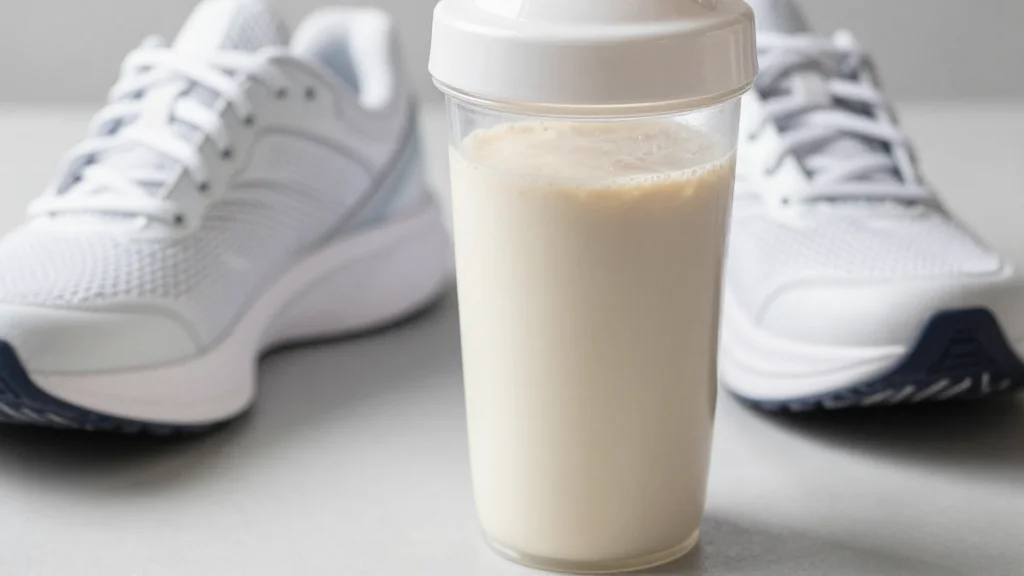
Registered Dietitian Warns Protein‑Maxing May Undermine Endurance Athletes

Why It Matters
The warning comes at a time when endurance athletes are increasingly exposed to marketing that glorifies protein at the expense of carbohydrate fueling, a cornerstone of long‑duration performance. Misaligned macronutrient strategies can lead to suboptimal race outcomes, higher injury rates, and long‑term health issues. Moreover, the intersection of GLP‑1 medication use and nutrition trends creates a new risk vector for athletes who may unintentionally under‑fuel their training. Understanding the nuance between protein quantity and overall food quality is critical for coaches, dietitians, and product developers. As the industry leans into high‑protein product lines, evidence‑based guidance will be essential to prevent a wave of performance‑degrading practices and to protect consumer health.
Key Takeaways
- •Dietitian warns that excessive protein focus can impair endurance performance.
- •GLP‑1 medication users risk protein deficiency despite reduced appetite.
- •New Dietary Guidelines double previous protein recommendations for adults.
- •High‑protein processed foods often contain added sugars, unhealthy fats, and additives.
- •Balanced macronutrient intake remains essential for long‑duration athletes.
Pulse Analysis
The protein‑maxing narrative reflects a broader cultural shift where single‑nutrient solutions are marketed as universal fixes. Historically, endurance training has emphasized carbohydrate loading to replenish glycogen stores, a practice backed by decades of research. The current pivot toward protein, driven by influencer hype and regulatory changes, risks overturning well‑established fueling protocols.
From a market perspective, manufacturers are quick to capitalize on the new guidelines, flooding shelves with high‑protein variants of traditionally carb‑heavy foods. This creates a false equivalence between protein content and overall nutritional value, a phenomenon the dietitian describes as the “halo effect.” Without rigorous oversight, consumers may be misled into consuming ultra‑processed products that undermine performance.
Looking ahead, the intersection of GLP‑1 therapies and sports nutrition will likely intensify. As more athletes adopt these medications for weight management, the demand for protein‑rich, low‑calorie options will grow. Stakeholders—sports dietitians, governing bodies, and food manufacturers—must collaborate to develop evidence‑based guidelines that balance protein needs with carbohydrate fueling. Failure to do so could see a generation of endurance athletes grappling with slower times and higher injury rates, ultimately reshaping the competitive landscape.
Registered Dietitian Warns Protein‑Maxing May Undermine Endurance Athletes
Comments
Want to join the conversation?
Loading comments...