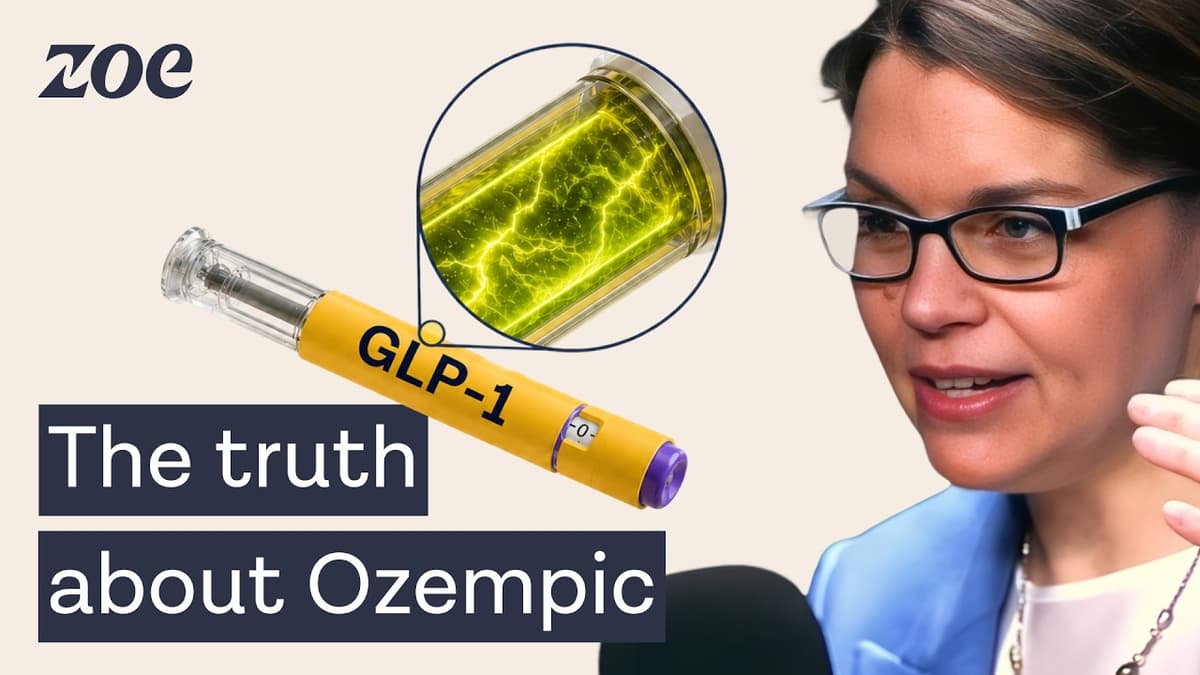
The Ozempic Expert: 5 Rules You Need to Know Before Starting GLP-1 Drugs
The episode features Dr. Ania Jastreboff, a leading obesity researcher, outlining five essential rules for initiating GLP‑1 therapy. She explains how recent trials have reshaped our view of these drugs, showing they do far more than facilitate weight loss. Key data points include a prediabetes study where 99% of participants on tirzepatide avoided progression to type 2 diabetes, and emerging evidence that sustained GLP‑1 use may lower the incidence of obesity‑related cancers. The conversation also introduces the concept of “food noise” – a constant mental preoccupation with eating – which quiets dramatically under GLP‑1 treatment, effectively resetting the brain’s set‑point for body fat. Notable quotes highlight the shift in appetite: “Your brain says, ‘You have enough.’” Dr. Jastreboff also differentiates drug classes, noting semaglutide targets a single GLP‑1 receptor, tirzepatide hits both GLP‑1 and GIP, and retatrutide engages GLP‑1, GIP, and glucagon receptors, illustrating a trend toward multi‑receptor analogs. The implications are clear: clinicians must counsel patients that benefits wane after stopping therapy, emphasizing long‑term adherence. Moreover, the broader metabolic and oncologic advantages suggest GLP‑1 analogs could become a cornerstone in preventive health strategies, extending beyond diabetes management.

From Passenger to Driver: How Clonal Hematopoiesis Rewires Cancer Risk | MGR | 8 April 2026
The talk chronicles a physician‑scientist’s transition from treating acute myeloid leukemia patients to uncovering the genetic underpinnings of related myeloproliferative disorders. By leveraging early‑era genomic sequencing on patient‑derived blood and buccal samples, the speaker’s lab identified the JAK2 V617F gain‑of‑function...
IBT Portfolio Manager Says KalVista Deal Signals Biotech 2.0 Growth
International Biotechnology Trust’s portfolio manager Ailsa Craig explained that the KalVista Pharmaceuticals acquisition marks the fund’s fifth deal in 2026, underscoring a surge in biotech‑focused M&A. The transaction, which lifted KalVista’s share price from $5 to $27, delivered a 36%...
Bending the Cost Curve: Understanding the GLP-1 Era | Global Conference 2025
The panel at Global Conference 2025 tackled the emerging GLP‑1 era, focusing on how these highly effective obesity treatments are reshaping employer‑sponsored health benefits and overall cost structures. Speakers from AON, MIT Sloan, and Merrick Ventures examined the paradox of...
Drug Discovery From 10 Years to Days | Demis Hassabis, Google DeepMind
Demis Hassabis, CEO of DeepMind, outlined how artificial intelligence is poised to transform drug discovery through Isomorphic Labs, a new spin‑out focused on chemistry and biochemistry. Building on AlphaFold’s breakthrough in protein‑structure prediction, the venture seeks to close the loop...
Advances in Liquid Biopsy for Diagnosis, Surveillance, and Treatment Response | MGR | 1 April 2026
The talk reviewed recent advances in liquid‑biopsy technologies, focusing on how cell‑free DNA and RNA in plasma can serve as a non‑invasive window into tumor genomics, epigenomics, and transcriptomics. Ashis highlighted three clinical arenas—early cancer detection, treatment monitoring, and organ‑injury...
U.S. Food and Drug Administration Webinar on the RCT-DUPLICATE Initiative
The FDA’s RCT‑DUPLICATE webinar presented a systematic effort to assess when real‑world evidence (RWE) can stand in for randomized clinical trials (RCTs). The initiative benchmarks observational database studies against completed trials, then extends the methodology to predict outcomes of...

FDA Direct: The Power of Real-Time Clinical Trials
The FDA unveiled its inaugural real‑time clinical trial system, announced by chief AI officer Jeremy Walsh alongside Dr. Emma Meagher of the University of Pennsylvania and Dr. Jennifer Litton of MD Anderson. The initiative moves beyond theoretical panels, delivering an...
Deblina Sarkar | Autonomous and Surgery-Free Nano-Electronics for Brain-Computer Symbiosis
The talk introduced a new class of autonomous, surgery‑free nano‑electronics designed to create a seamless brain‑computer symbiosis. By shrinking electronic chips to subcellular dimensions and removing any supporting substrate, the devices can be injected intravenously, travel through the circulatory system,...
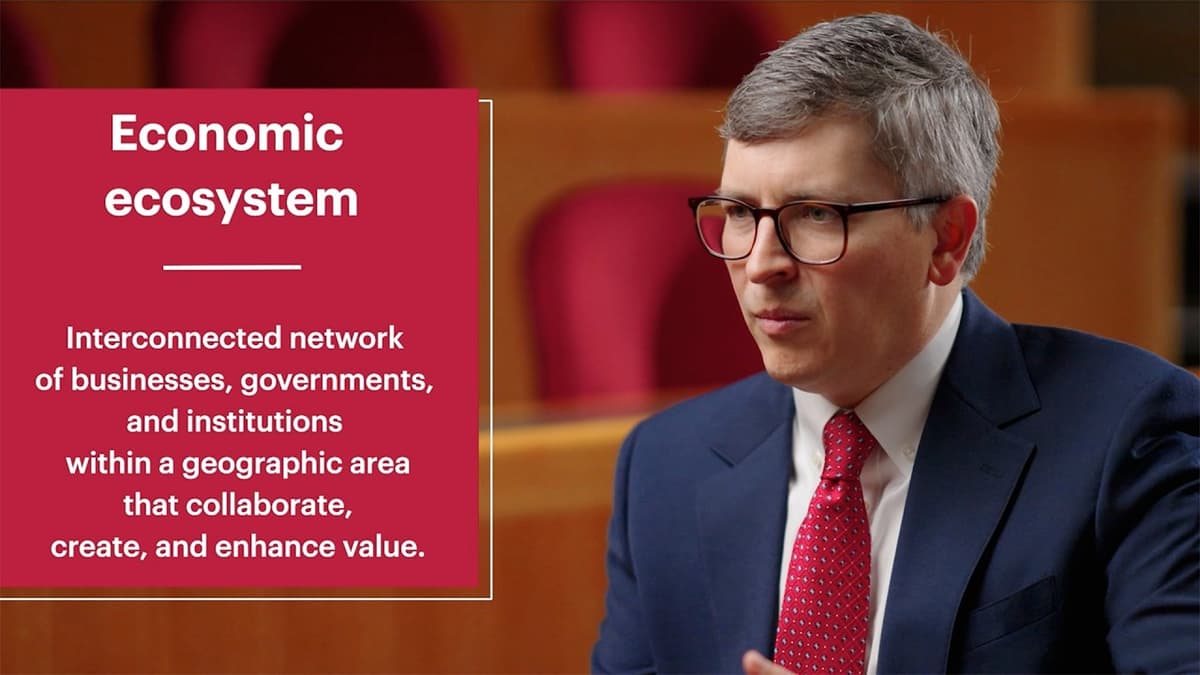
When a Pharma Giant Comes to Town: The Promise and Politics of Eli Lilly's LEAP District
The video examines the creation of the LEAP District outside Lebanon, Indiana, a place‑based economic‑development initiative built around Eli Lilly’s next‑generation drug‑manufacturing hub. The partnership pools billions of dollars from the pharma giant and local governments to transform farmland into a...
Advancing Real-Time Clinical Trials
The FDA announced a landmark initiative: the first ever real‑time clinical trial, where regulators can monitor safety signals and efficacy endpoints instantly via a cloud‑based dashboard. Commissioner Dr. Marty Makary framed the effort as a response to the growing "dead...
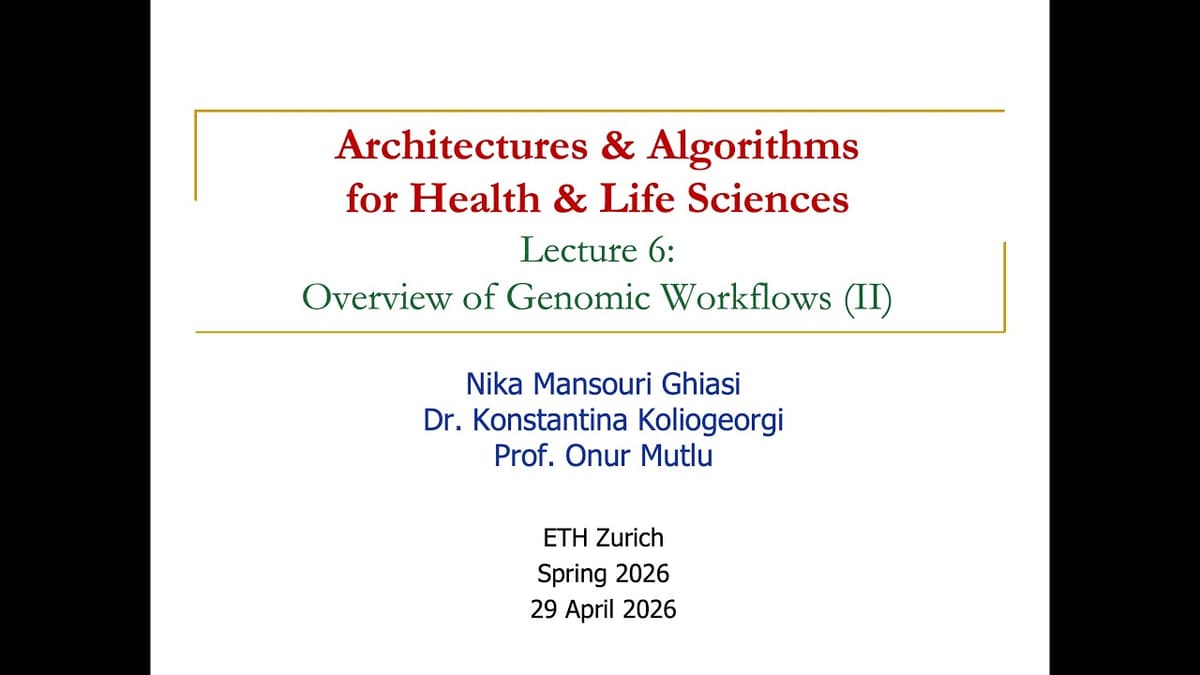
P&S Arch. & Algo. For Health & Life Sciences - L6: Overview of Genomic Workflows (II) (Spr 2026)
The sixth lecture of the P&S Architecture & Algorithms for Health & Life Sciences series dives into genomic workflow analysis, concentrating on the read‑mapping stage that stitches sequenced fragments into a complete genome. It revisits earlier concepts—why genomics matters, base‑calling,...
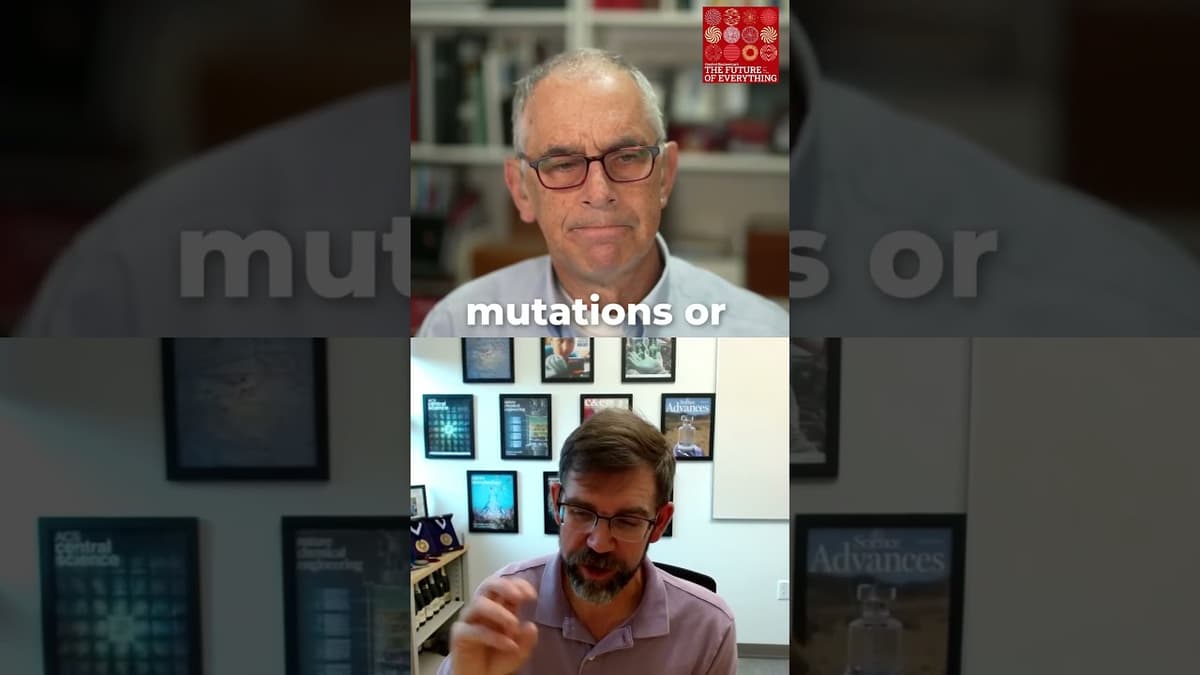
Proteins for Lead Detection - Mike Jewett
Mike Jewett explains how his lab engineers proteins—either entirely new or modified natural variants—to serve as lead‑detection sensors. Proteins are strings of 20 possible amino acids; their order dictates three‑dimensional structure and function. Because the relationship between sequence and a desired...
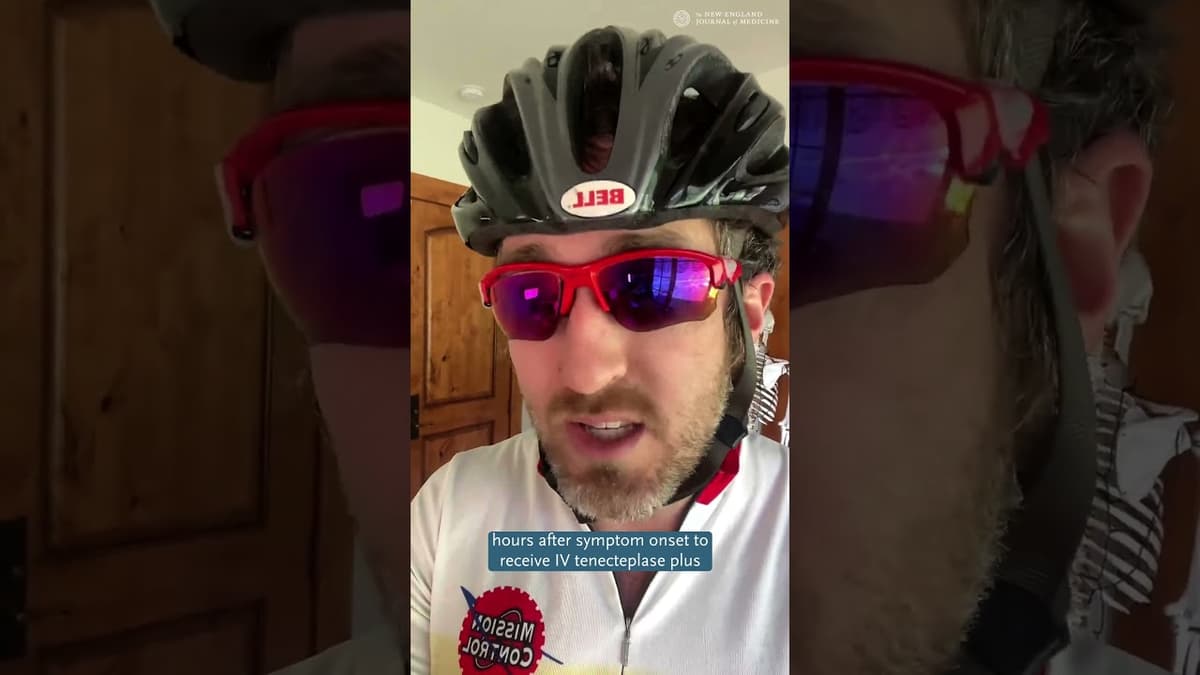
Dr. Glaucomflecken Explains: Tenecteplase for Acute Central Retinal Artery Occlusion (TenCRAOS)
The video features Dr. Glaucomflecken reviewing a recent New England Journal of Medicine trial that tested intravenous tenecteplase as an emergency treatment for acute central retinal artery occlusion (CRAO), a sudden, painless loss of vision often seen in older hypertensive...
AI-Personalized Medicine
The video outlines how intelligent agents are driving a new wave of personalized medicine by integrating diverse health data sources—from genomic scans to wearable metrics—into precise, patient‑specific recommendations. It highlights two cost‑driven revolutions: genome sequencing prices are falling faster than Moore’s...
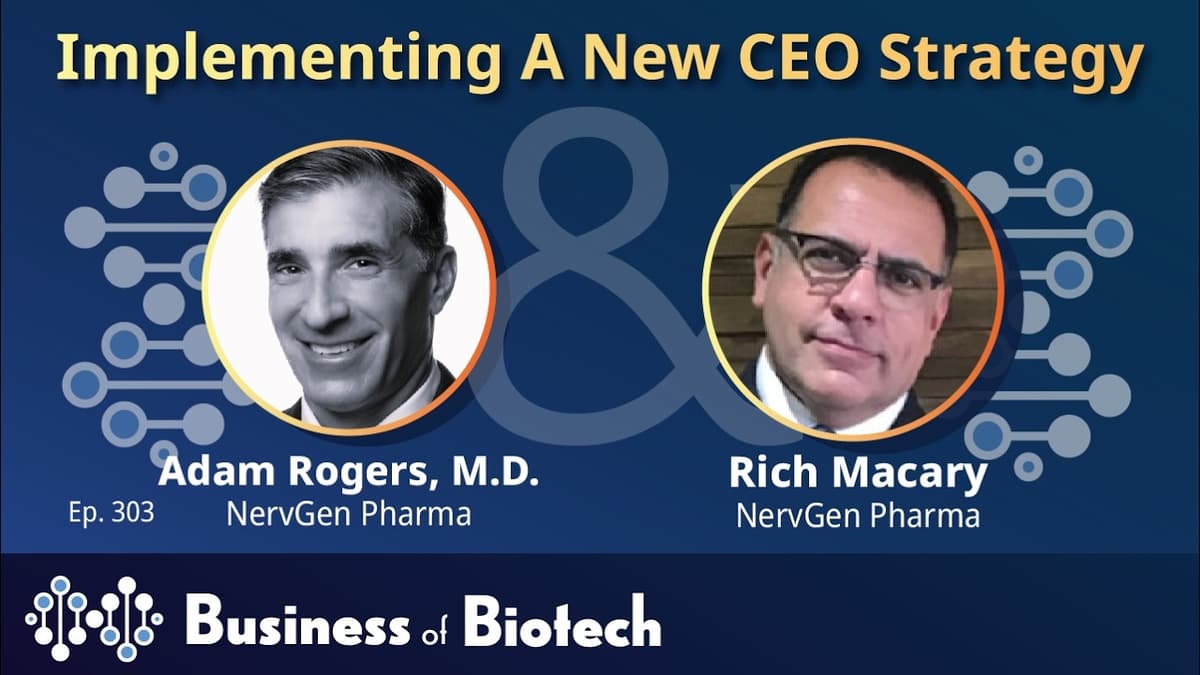
Implementing A New CEO Strategy With NervGen's Adam Rogers, M.D. And Rich Macary
The interview with NerveGen’s CEO Adam Rogers and adviser Rich McCary centers on the company’s new growth strategy as it prepares for a pivotal Phase III trial of its peptide therapy NVG291 for spinal‑cord injury. Rogers, a former biotech founder who...
Automating Clinical Trial Data Collection for Better Research Outcomes
The video outlines how artificial intelligence and automation are reshaping clinical‑trial data collection, positioning a unified health‑life‑sciences platform as the catalyst for faster, more efficient research. Key insights include AI‑driven patient trial matching that scans electronic health records in real time,...
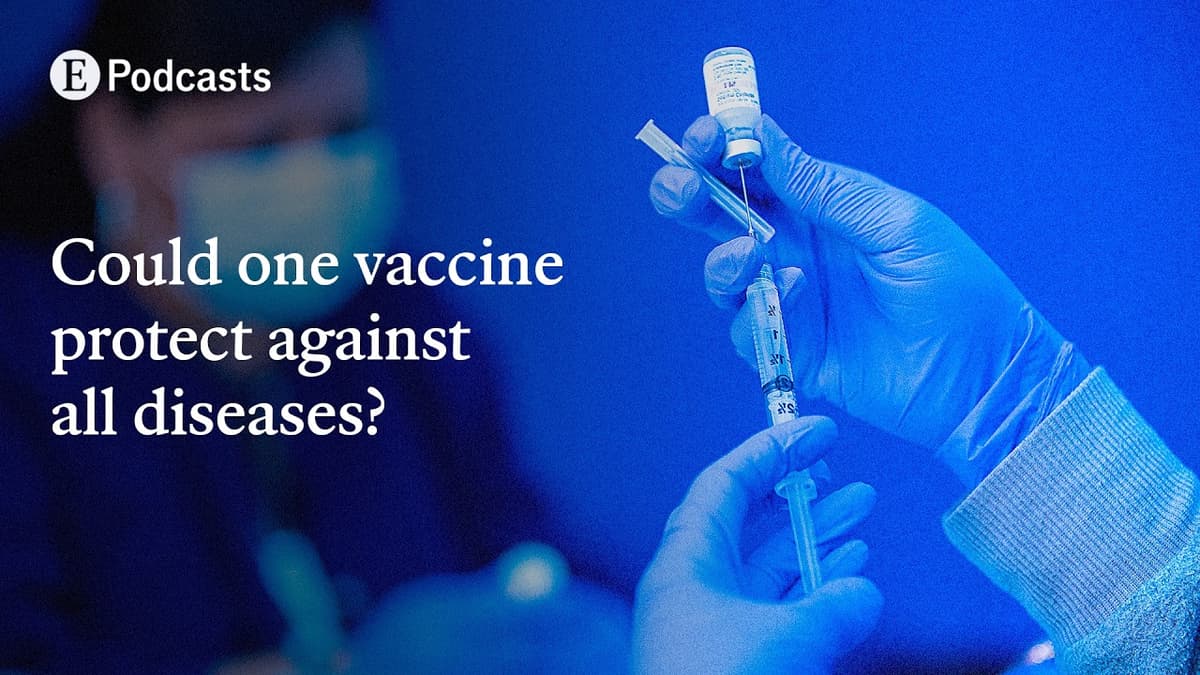
This Vaccine Could Stop the Next Pandemic | The Economist
The video explores the prospect of universal, broad‑spectrum vaccines that harness trained innate immunity to blunt future pandemics, highlighting recent research and expert commentary. It contrasts the fast‑acting innate system with the slower, highly specific adaptive response, noting that vaccines...
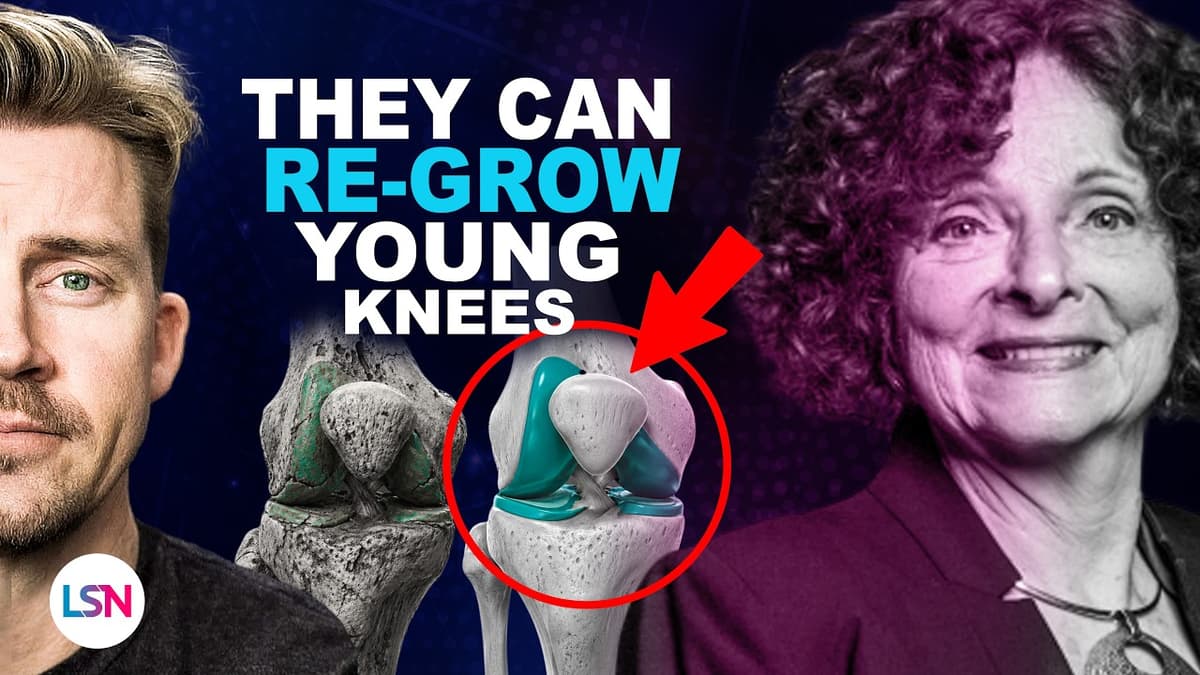
Arthritis Cure BREAKTHROUGH: Regrow Young Cartilage
The video highlights a Stanford breakthrough where inhibiting the enzyme 15‑PGDH triggers regeneration of articular cartilage, a condition affecting over 50 million Americans with osteoarthritis and lacking disease‑modifying treatments. In aged mice, twice‑weekly injections of a small‑molecule 15‑PGDH inhibitor thickened joint surfaces...
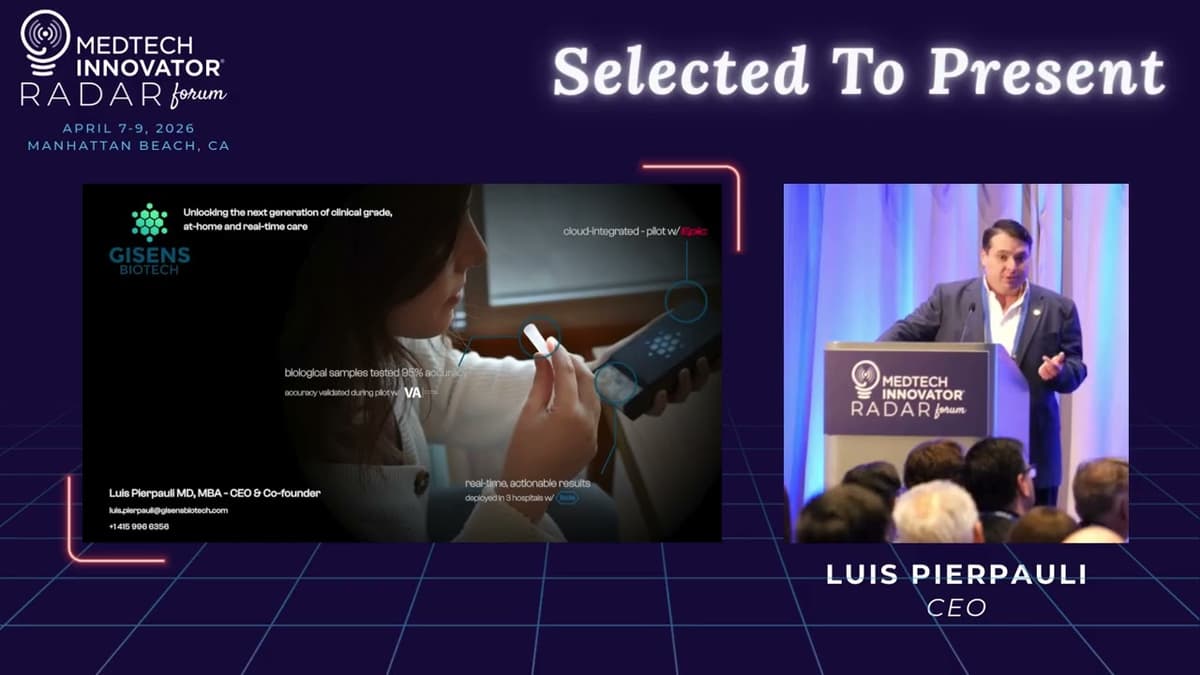
Gisens Biotech - Lightning Pitch
In a concise lightning pitch, the founder of Gisens Biotech shares a deeply personal motivation: losing both parents to cardiovascular and chronic kidney disease. This tragedy spurred the creation of a home‑monitoring device designed to track patients with these conditions,...
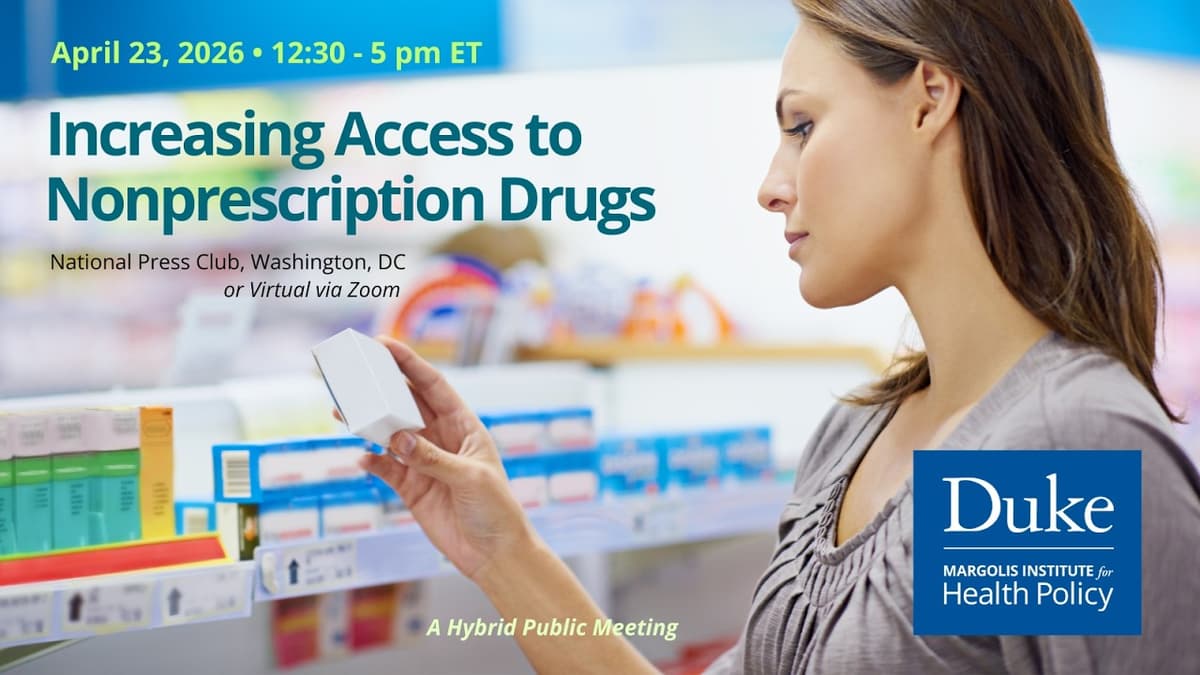
Increasing Access to Nonprescription Drugs
The Duke Margolis Institute for Health Policy and the U.S. Food and Drug Administration convened a stakeholder meeting to discuss expanding access to non‑prescription (OTC) medicines through a new drug‑application framework. FDA officials outlined three pathways—direct‑to‑OTC submissions, prescription‑to‑OTC switches, and applications...
The Future of Cell-Free Biotechnology
In this Stanford Engineering interview, Professor Mike Jewett explains cell‑free biotechnology—a platform that harvests the molecular machinery inside lysed cells and repurposes it as a stand‑alone protein‑production factory. By stripping away the living cell’s chassis, the approach sidesteps the evolutionary...
What Happens When You Stop a GLP-1: The Data From Three Trials
The video dissects recent evidence on how durable the weight‑loss and cardiovascular benefits of GLP‑1 receptor agonists are once the drugs are stopped. It centers on a British Medical Journal analysis and three pivotal trials—SURMOUNT‑4, STEP‑1 extension, and a semaglutide...

Research Highlights | ART-Free HIV Remission
The Lancet HIV study led by Johns Hopkins demonstrates that initiating antiretroviral therapy (ART) within 48 hours of birth can dramatically limit the formation of the latent HIV reservoir in perinatal infections, opening the possibility of ART‑free remission. In a multinational...
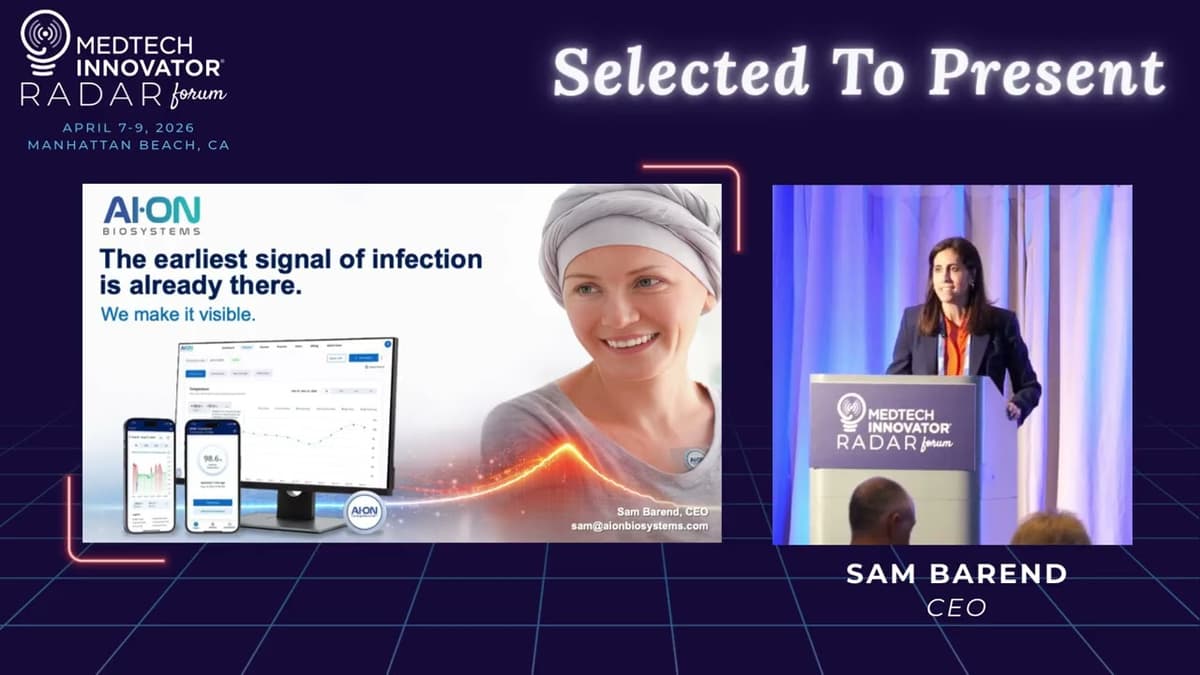
AION Biosystems - Lightning Pitch
The video is a lightning pitch by Sam Baron, CEO of AON Bios Systems, introducing Temp Shield – a wearable device designed to detect infections early, inspired by his father’s near‑fatal sepsis episode. Baron argues that current infection monitoring relies on a...
Psychedelic Therapy's $100B Moment: Why Compass Pathways' COMP 360 Changes Investing
The video examines the rapid emergence of psychedelic‑based mental‑health treatments, focusing on Compass Pathways’ COMP360 psilocybin program and its recent 23% stock surge after a successful Phase 3 trial. Experts highlight that psychedelic therapy is an interventional model—typically one to...
Can We Predict Heart Attacks Years Before They Happen? | The Future of Cardio Genomics
The video introduces Target MI, a €4 million EU‑funded initiative led by Professor Stephanie Bassina Wittinger in Malta, that seeks to predict heart attacks years before they occur using a multi‑omics approach. By leveraging the island’s compact population, the team assembled a richly...
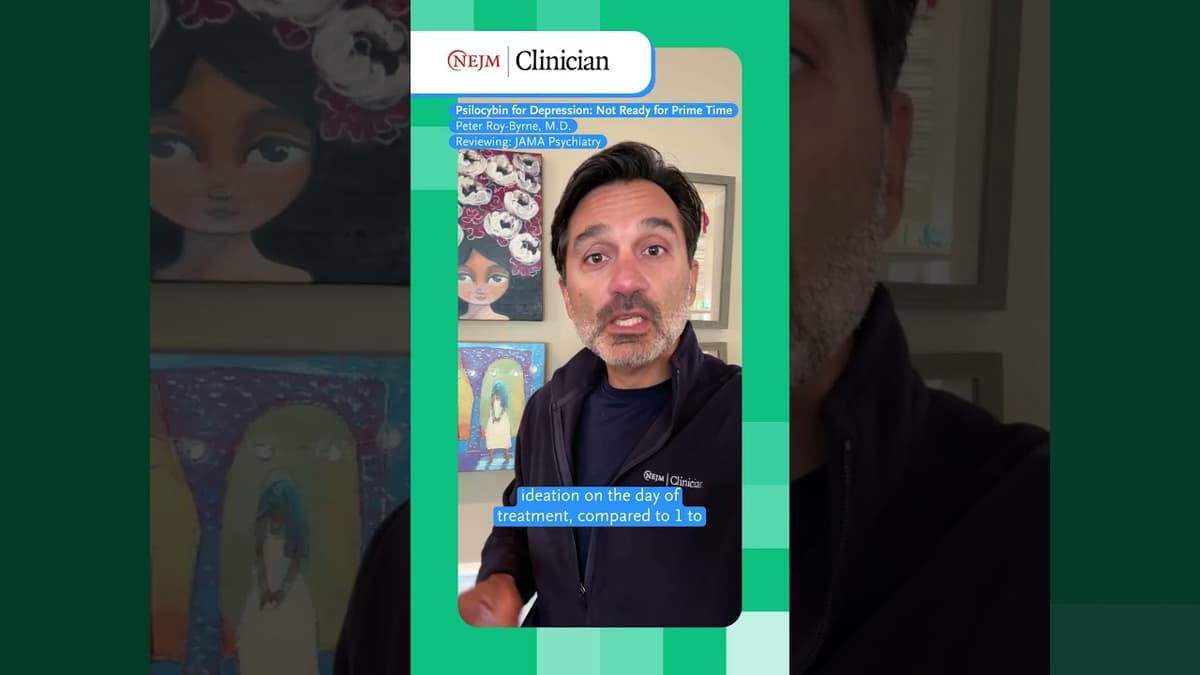
"Mushrooms" For Depression: New Science | NEJM Clinician
NEJM Clinician reports on a JAMA Psychiatry trial evaluating a single 25 mg dose of psilocybin for treatment‑resistant depression. The double‑blind study randomized 144 patients to psilocybin, a low 5 mg dose, or nicotinamide, aiming to mask allocation. At six weeks, 17 % of...
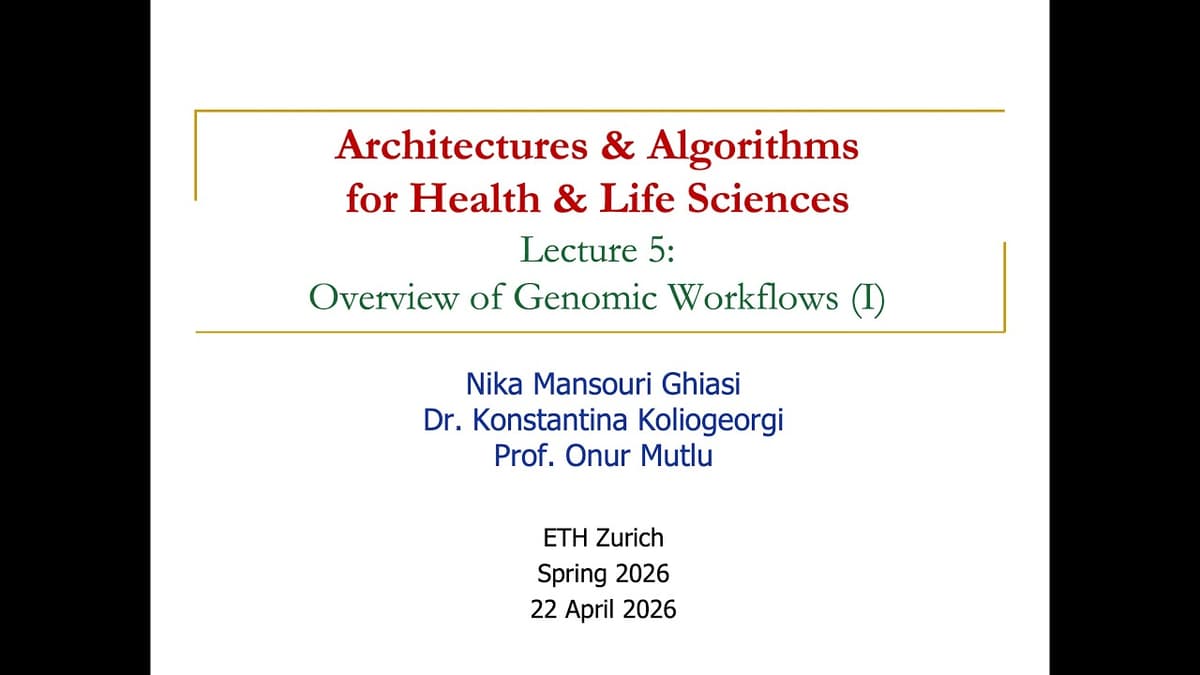
P&S Arch. & Algo. For Health & Life Sciences - L5: Overview of Genomic Workflows (I) (Spr 2026)
The lecture provides a holistic overview of genomic workflows, emphasizing why genomics is central to modern biology, medicine, and environmental monitoring. It revisits storage‑centric acceleration discussed earlier and expands to the full pipeline—from sample acquisition and sequencing to variant calling,...
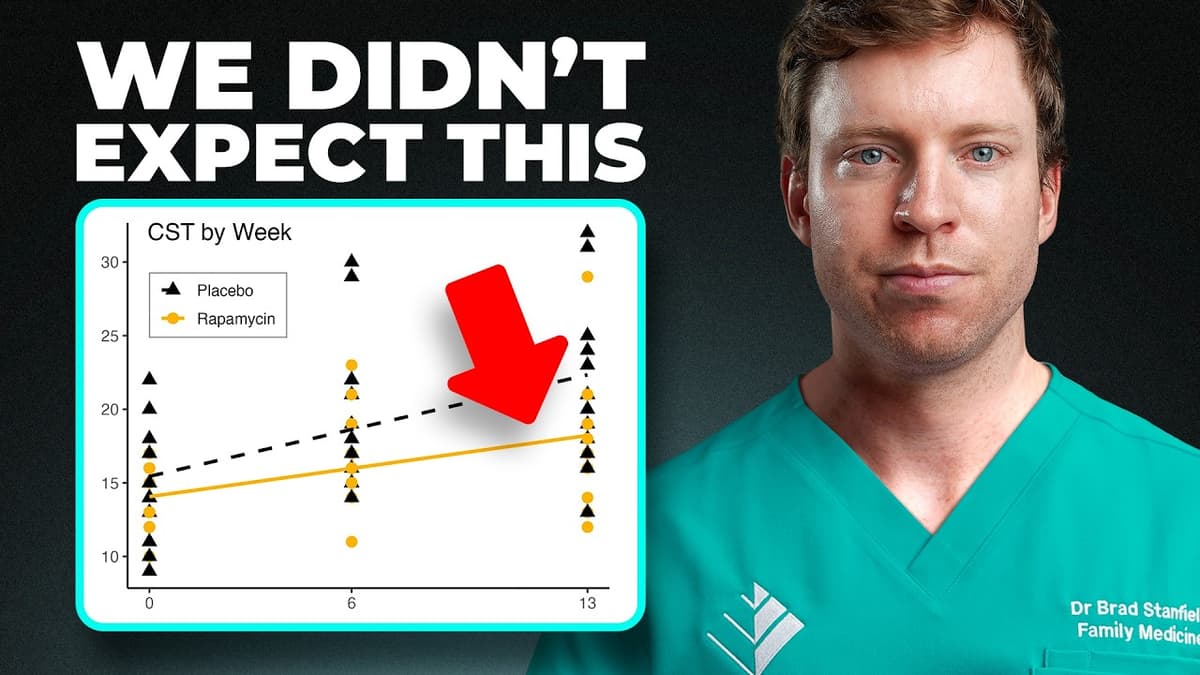
We Spent $724,637 Testing Rapamycin. What We Found Shocked Us.
The video details a five‑year, $724,637 crowdfunded clinical trial that tested whether weekly rapamycin, combined with home‑based cycling exercise, could improve muscle performance in adults aged 65‑85. Results were published in the Journal of Cexia Psychopenia and Muscle, and the...
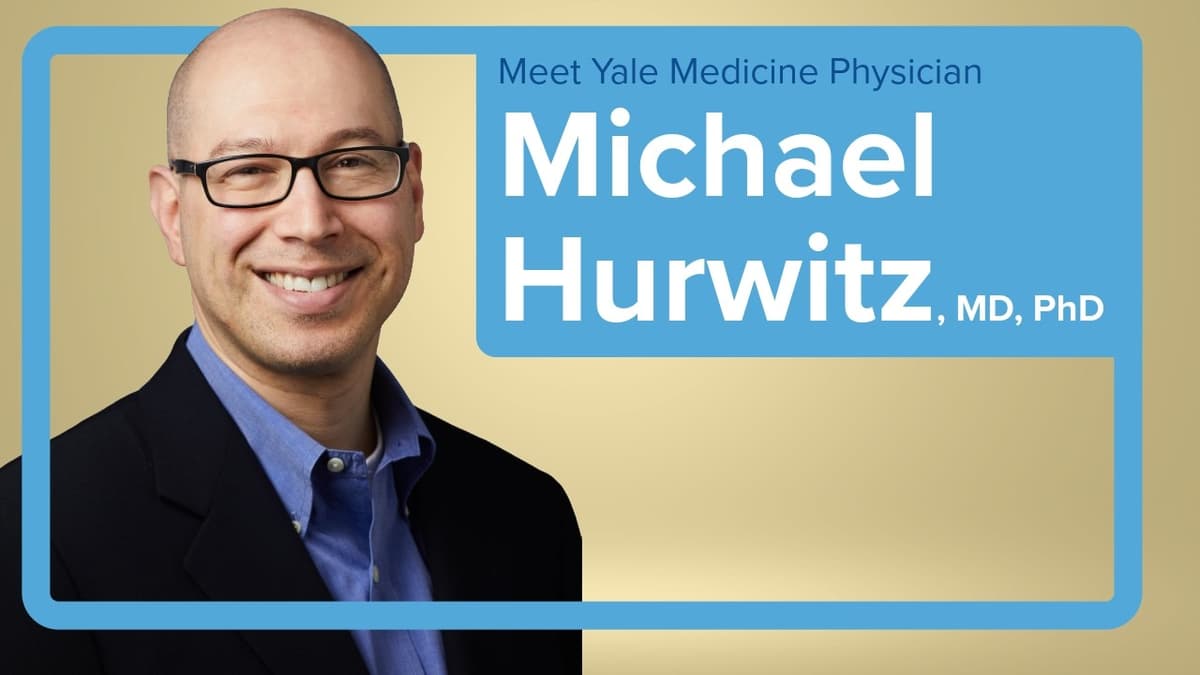
Meet Oncologist Michael Hurwitz, MD, PhD
The video introduces Dr. Michael Hurwitz, MD, PhD, an oncologist who focuses on urogenital malignancies—including prostate, kidney, bladder, and testicular cancers—and heads a solid‑tumor cellular immunotherapy program. Hurwitz explains that his team harvests patients’ own immune cells or donor cells, engineers...
FDA Grand Rounds: Clinical Omics Biomarker Discovery and Validation in Precision Medicine
The FDA Grand Rounds session featured Dr. Richard Beger discussing clinical omics biomarker discovery and validation for precision‑medicine applications. He outlined the breadth of systems‑biology omics—genomics, transcriptomics, proteomics, metabolomics, lipidomics—and described a structured workflow that stresses early sample‑type decisions, rigorous...

From Scans to Solutions: Inside Aptium AI's Global Ambitions
Aptium AI, an Australian med‑tech firm, unveiled its 4D scanning platform that merges mult‑spectral imaging with AI to produce instant 3D models for clinical use. The company chose podiatry and diabetic foot care as its launch market, citing a global...
HVIVO Lands Landmark Phase III Trial
HVO announced a landmark contract to run the world’s first Phase III human challenge trial for Iliad’s whooping‑cough vaccine, positioning the company at the forefront of next‑generation vaccine development. The agreement, signed after a year‑long letter‑of‑intent, is HVO’s largest ever in both...
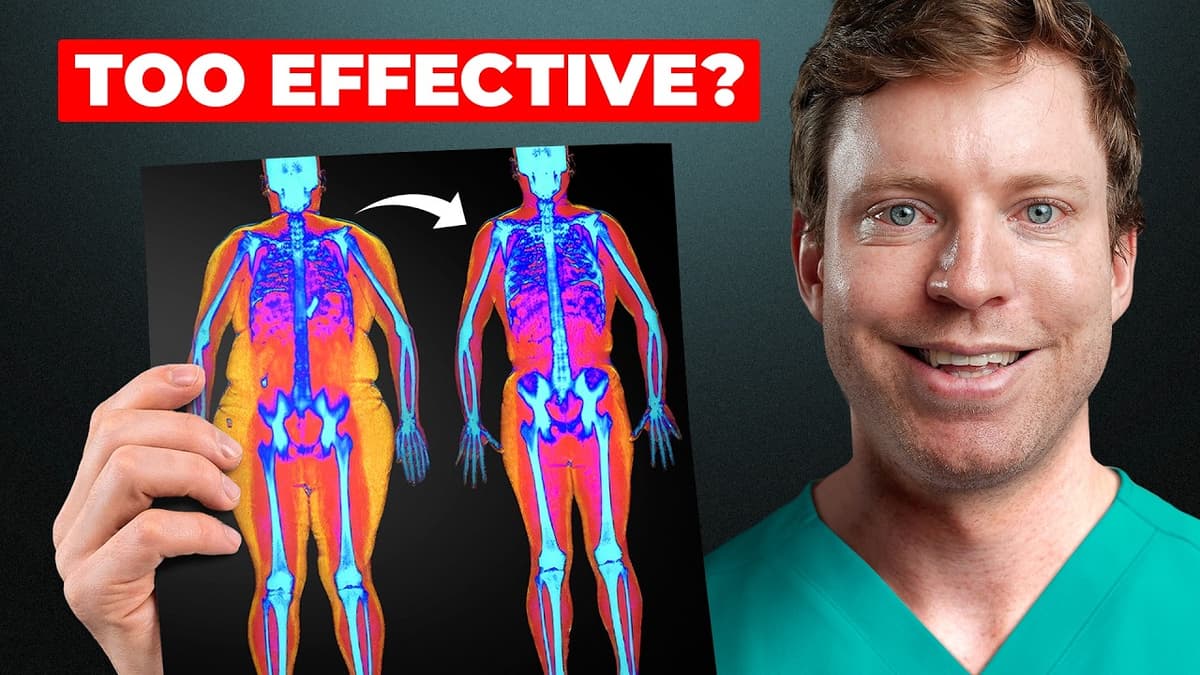
The 'Toxic' Hormone That Just Broke Every Obesity Record
The video examines retatrutide, Eli Lilly’s triple‑hormone receptor agonist that activates GLP‑1, GIP and glucagon. By turning on all three pathways, the drug has shattered obesity‑treatment records, delivering average weight losses of 24‑28% in phase‑3 trials—far exceeding the 15‑20% achieved by...
GLP-1s Are a Gift From God
The video argues that glucagon‑like peptide‑1 (GLP‑1) agonists will become a more consequential technology than artificial intelligence, positioning them as a breakthrough medical tool. Beyond dramatic weight loss, clinical studies show GLP‑1s cut cardiovascular events, improve fatty‑liver disease, reduce sleep‑apnea severity,...
Turning Scattered Evidence Into Discovery Decisions for Life Sciences
The video showcases Codex’s Life Sciences model, a platform that unifies structured data retrieval, literature mining, and scientific analysis into a repeatable workflow for drug‑target prioritization. In the demonstration, the model evaluates three asthma targets—IL‑33, TSLP, and IL‑1RA1—by ingesting an...

If I only Have Osteopenia, Not Osteoporosis, Am I Okay? No, You're Still at Risk! | Felice Gersh, MD
The video explains that osteopenia, often perceived as a milder condition than osteoporosis, still carries substantial fracture risk, especially for women. Data reveal that 54% of hip fractures in women occur in those with osteopenia, and a recent randomized, placebo‑controlled trial...
Standards' Role In Biosimilarity Assessment
The video examines the US Pharmacopeia’s recommendation that the FDA promote the use of reference standards in biosimilarity assessments. It questions whether such standards can resolve the inherent variability seen across commercial biologic products. The speaker acknowledges that standards are indispensable...
Levers For Streamlining And Optimizing The Biosimilar Process
The panel discussed how biosimilar developers can streamline production by leveraging modern cell‑line engineering and a systematic set of process levers. Unlike de‑novo biologics, biosimilars must replicate a defined quality attribute envelope while seeking cost efficiencies. Advances in CHO cell line...
Mini Brain Structures May Help Scientists Diagnose, Treat Alzheimer's Disease
The video highlights a breakthrough in Alzheimer’s research: the creation of patient‑derived mini brain organoids that mimic the disease’s pathology. By cultivating these three‑dimensional cultures from individual patients, scientists can observe disease mechanisms and test treatments in a human‑relevant setting. Key...
Remplir Validation Builds on Orthocell's US Opportunity
Orthocell Ltd announced that its nerve‑repair device Remplir™ has secured approval for use across the U.S. Department of Defense and Department of Veterans Affairs hospital network. The clearance grants access to 221 facilities, including 51 military hospitals and 170 VA...
Peptide Expert: The Breakthrough Drugs Big Pharma and the FDA Buried!
The video explores the rapidly evolving peptide landscape, highlighting a controversial new peptide that promises dramatic belly‑fat loss and unprecedented liver‑health benefits. The host and Dr. Alex Tatum discuss how the FDA’s upcoming decision to legalize seven peptides could upend...
The Impact Of FDA Risk On Biotech Rewards With CFO And Board Director Allan Shaw
The conversation with veteran biotech CFO and board director Allan Shaw centers on the growing perception that the FDA’s public signals no longer match its internal decision‑making, creating heightened regulatory risk for drug developers. Shaw highlights a widening gap between...

What Does the US Market Look Like for POLB 001
The video outlines a fresh market‑size assessment for PAL 001, an investigational therapy aimed at preventing cytokine release syndrome (CRS) in the United States. An independent consultancy surveyed commercial insurers, Medicare and Medicaid decision‑makers, quantifying their willingness to cover a drug that...

What if We Could Regenerate Our Bodies?
Andre Watson, founder and CEO of Ligandal, unveiled LiganForge – an artificial‑intelligence engine that generates peptide designs up to one hundred‑thousand times faster than existing methods. The announcement, posted on X on March 17, quickly amassed half a million views and...

Poolbeg Pharma, Arecor Therapeutics, hVIVO, Ilika, Kodal Minerals, Connecting Excellence
Proactive Investors highlighted recent developments across six UK‑listed small‑cap firms, ranging from biotech approvals to lithium production and crypto‑enabled recruitment. Poolbeg Pharma announced full MHRA clearance for its topical CRS therapy trial at six UK sites, with interim data due this...
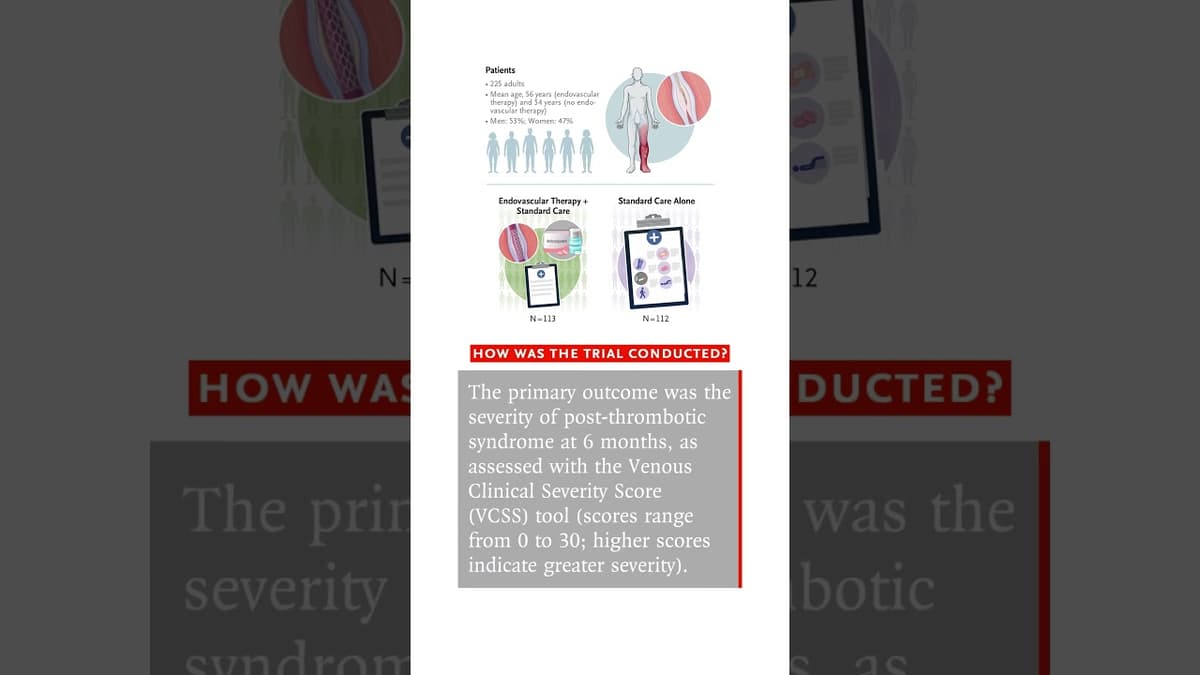
Endovascular Therapy for Post-Thrombotic Syndrome (C-TRACT)
The phase 3 C‑TRACT trial compared endovascular therapy plus standard care with standard care alone in patients with moderate or severe post‑thrombotic syndrome (PTS). At six months, the combination reduced PTS severity and improved quality‑of‑life scores. However, the intervention group...
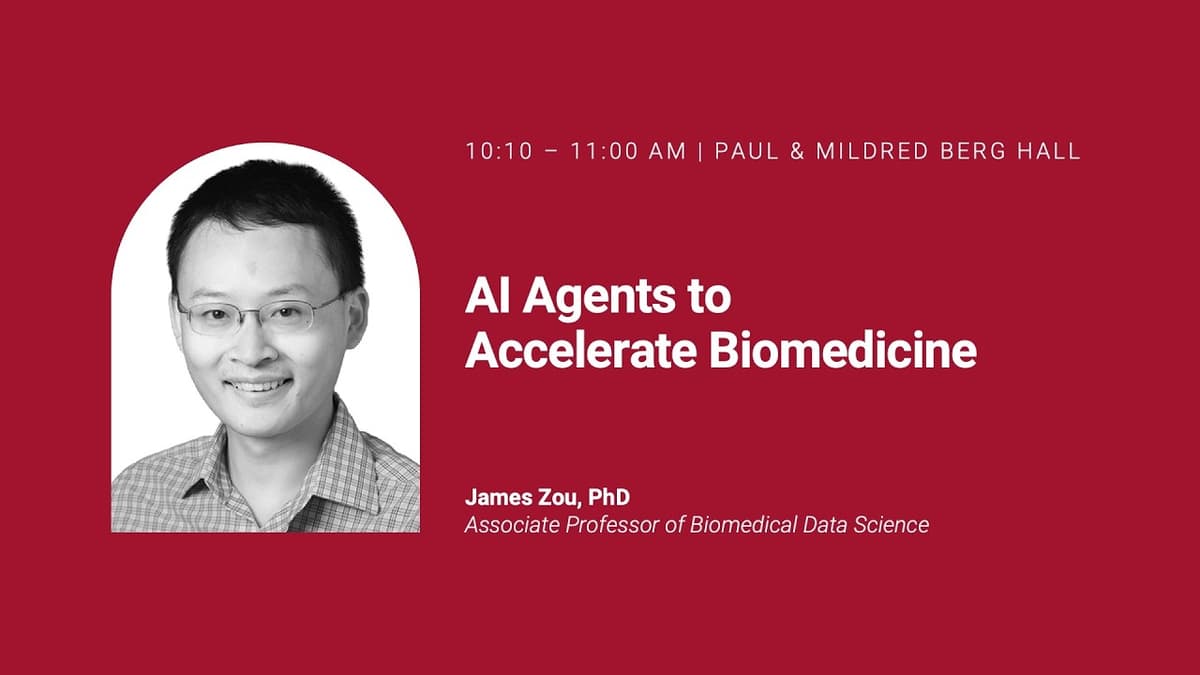
James Zou, PhD: AI Agents to Accelerate Biomedicine
James Zou, a Stanford professor, unveiled a new generation of AI agents that function as independent scientists, marking a shift from using AI merely as a problem‑solving tool to letting it drive hypothesis generation, experiment design, and data analysis. His...
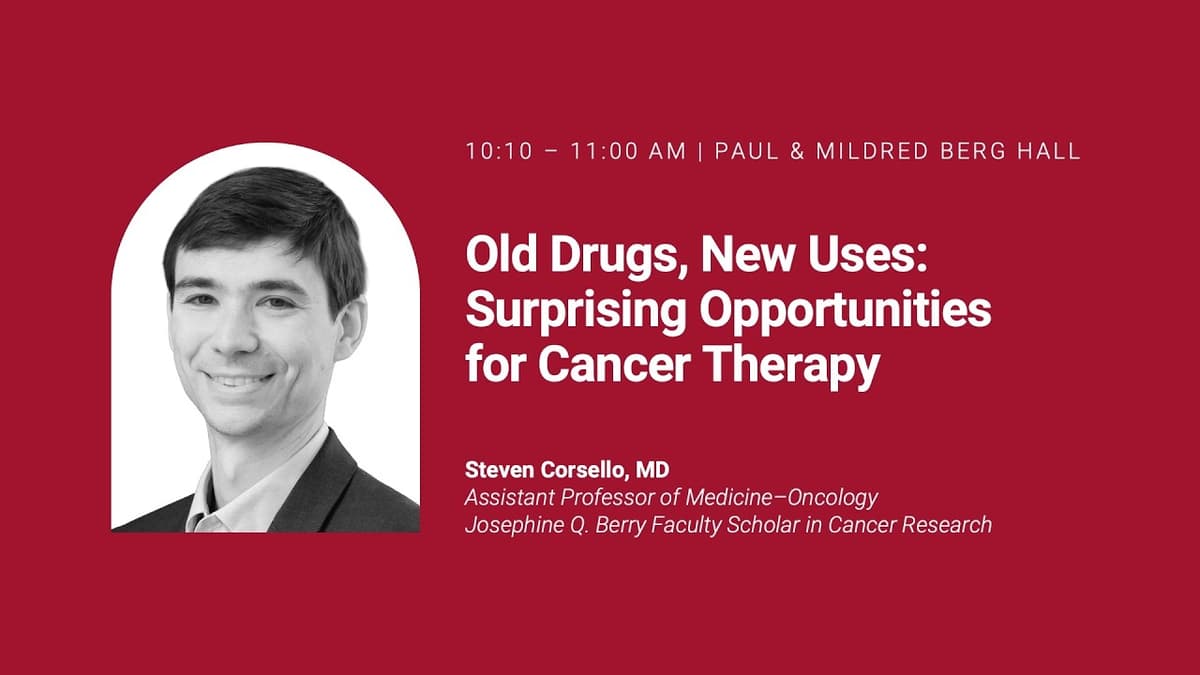
Steven Corsello, MD | Old Drugs, New Uses: Surprising Opportunities for Cancer Therapy
Dr. Steven Corsello presented a Stanford‑based program that systematically repurposes existing drugs for oncology by combining a curated drug library, high‑content cellular readouts, and a pipeline to uncover mechanisms of action. The centerpiece is the PRISM platform, which tags thousands...