Co-Design Approach Optimizes Multinode Quantum Computer Performance

Key Takeaways
- •ARQUIN model quantifies tradeoffs in multinode superconducting quantum computers
- •Noisy optical quantum links outperform classical interconnects in most scenarios
- •Co‑design merges hardware and compiler optimizations for better entanglement handling
- •Multinode architecture addresses scaling limits of single superconducting processors
- •DOE funding backs roadmap toward quantum networking for energy and materials research
Pulse Analysis
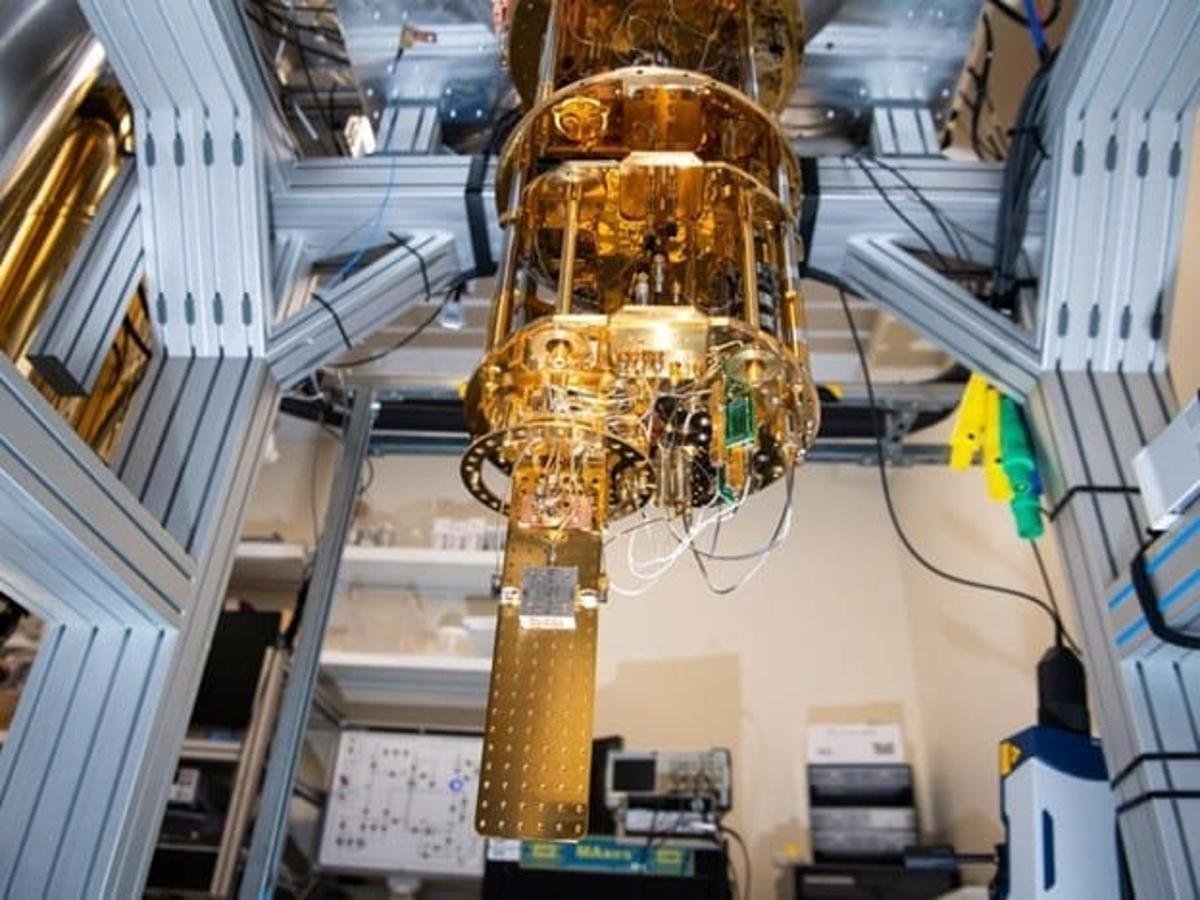
Scaling superconducting qubits has hit a physical ceiling; a single chip cannot host enough coherent qubits for many real‑world algorithms. Researchers therefore pivot to multinode designs, linking separate quantum processors with optical channels that transmit fragile quantum states across ultra‑cold dilution refrigerators. This distributed approach mirrors high‑performance computing clusters, but the quantum realm adds a layer of complexity: preserving entanglement while battling photon loss and thermal noise. The shift promises orders‑of‑magnitude growth in qubit counts without the engineering nightmare of a monolithic cryostat.
The ARQUIN model, published in ACM Transactions on Quantum Computing, provides the first rigorous framework to compare these architectures. By balancing local gate operations against inter‑node communication costs, the model reveals that even noisy optical links retain enough fidelity to generate and distill entanglement—something classical links cannot replicate. Consequently, quantum‑enabled links deliver higher algorithmic throughput than their classical counterparts in most realistic scenarios. The co‑design methodology couples hardware improvements, such as low‑loss photonic interconnects, with compiler strategies that schedule entanglement‑heavy tasks efficiently, effectively turning noise from a show‑stopper into a manageable parameter.
The implications extend beyond academic curiosity. Backed by the Department of Energy’s Office of Science and the Co‑design Center for Quantum Advantage, the research charts a clear pathway toward quantum networking that can accelerate breakthroughs in energy modeling, materials discovery, and complex optimization. As industry players invest in modular quantum hardware, the ARQUIN insights will guide procurement, system architecture, and software stack decisions, reducing risk and shortening time‑to‑value for quantum‑enhanced applications. In short, the co‑design paradigm positions multinode superconducting computers as the next viable step toward commercial quantum advantage.
Co-Design Approach Optimizes Multinode Quantum Computer Performance
Comments
Want to join the conversation?