
The Longevity Revolution Is Here | Lifespan with Dr. David Sinclair - Season 2, Ep 1
The episode introduces the Information Theory of Aging, arguing that epigenetic drift—not random molecular damage—drives age‑related decline. Researchers validated this by using the ICE mouse model, which accelerates aging through targeted DNA breaks without altering the genome. A major milestone arrived in January 2026 when the FDA cleared the AAV‑OSK gene therapy ER‑100 for Phase 1 trials targeting glaucoma and NAION, demonstrating up to 75% reversal of the epigenetic clock without c‑Myc. The discussion also highlights wearables and exogenous ketones as complementary strategies for systemic longevity.

Meet the AAS Keynote Speakers: Prof. Mario Jurić
Prof. Mario Jurić, a senior data science fellow at the University of Washington, highlighted the transformative potential of the Vera C. Rubin Observatory’s Legacy Survey of Space and Time (LSST) at the AAS 248 plenary. He noted that Rubin has...

Meet the AAS 248 Plenary Speakers: Esra Bulbul
Esra Bulbul, group leader at the Max Planck Institute for Extraterrestrial Physics, heads the Galaxy Clusters and Cosmology Group and serves as the lead scientist for eROSITA’s cluster science. She has overseen the creation of the largest X‑ray catalog of...

Vast Fields of Biologically Active Chemical Space
A new open‑access J. Med. Chem. paper compares hits from a 1.6 billion‑compound make‑on‑demand (MoD) library and a 3.5 million‑compound in‑stock library screened against the 5‑HT2A serotonin receptor. Both libraries delivered a comparable ~24% hit rate, and functional assays showed a mix...
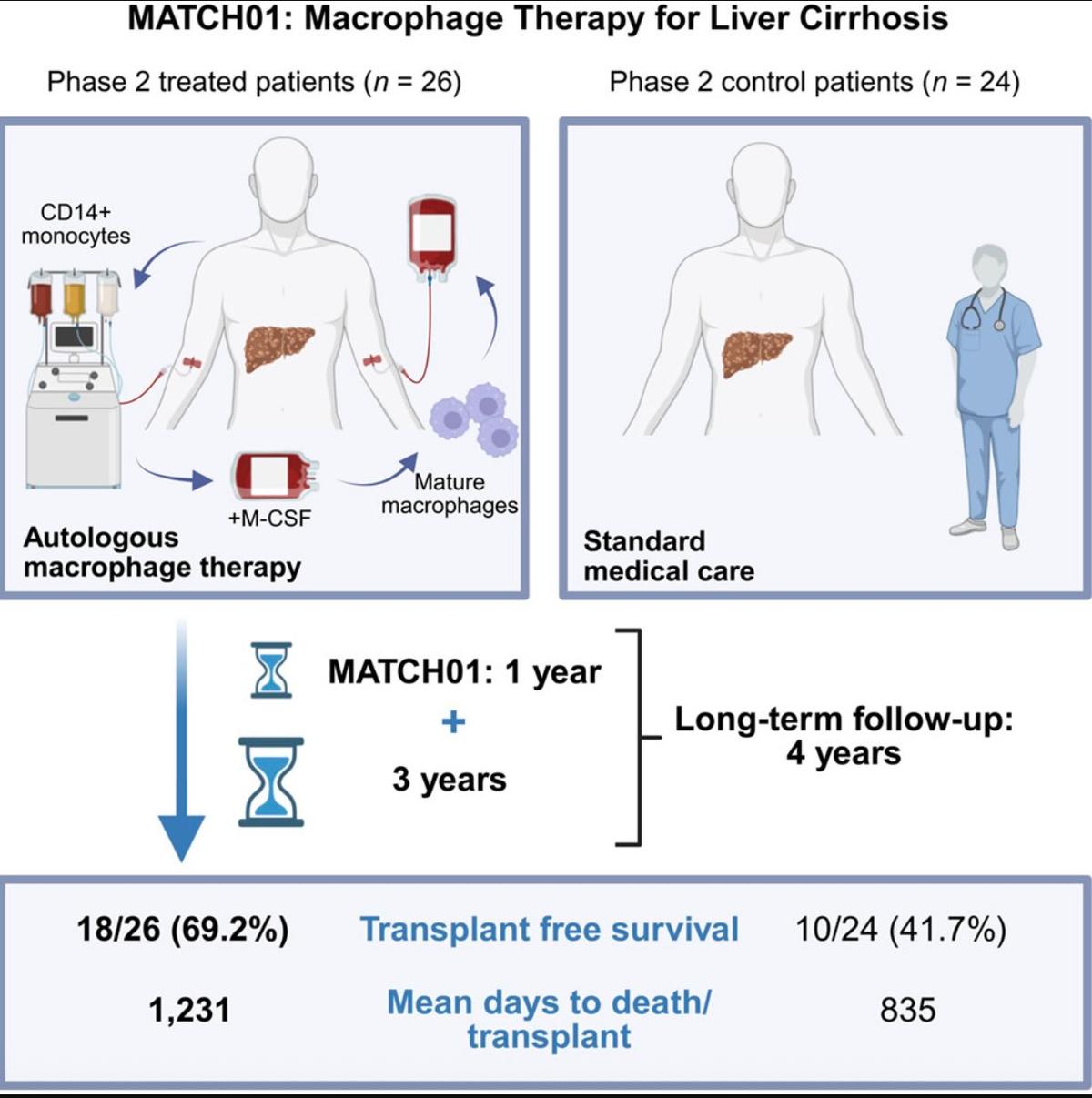
Weekly Reads: Macrophage Therapy, Putin Longevity Push, Human Embryo Base Editing
Recent Cell Stem Cell publication reports that autologous macrophage therapy improved transplant‑free survival in cirrhosis patients during long‑term follow‑up of a phase 2 trial. The study links survival benefits to stabilization of pro‑inflammatory cytokines, though the small sample size cautions broader...
Decoding Human Longevity: Genetic and Molecular Insights From Accelerated to Successful Ageing
The 2024 narrative review frames human ageing as a spectrum between accelerated progeroid disorders and successful longevity in centenarians and long‑lived species. It proposes a genetic dichotomy where damaging variants drive instability while protective alleles reinforce resilience across shared pathways...
Restore Autophagy, Spare NAD+, Save the Embryo: New Levers for Reproductive Aging
Researchers at Chongqing Medical University and Tongji University identified a molecular cascade linking reduced autophagy in aged oocytes to impaired embryo development. In older mice, diminished LC3B fails to degrade ACOX1 mRNA, causing hyperactive β‑fatty‑acid oxidation that depletes NAD+ and...
Evaluating the Causal Effect of Mitochondrial Dysfunction on Alzheimer’s Disease and Parkinson’s Disease Using Polygenicrisk Scores and Mendelian Randomization (Paper...
Chatterjee et al. examined whether blood‑derived mitochondrial DNA copy number (mtDNAcn) causally influences Alzheimer’s disease (AD) and Parkinson’s disease (PD) using genetic correlation, polygenic risk scores, and several Mendelian‑randomization (MR) models. Conventional univariable and platelet‑adjusted MR found no robust effect, but...
Review Article: Improving Mitochondrial Function: Current Therapeutic Perspectives in Neurodegenerative Diseases (Paper July 2026)
The July 2026 review maps mitochondrial dysfunction as an early, disease‑driving factor in Alzheimer’s and Parkinson’s diseases, detailing impaired bioenergetics, oxidative stress, faulty dynamics, and defective mitophagy. It contrasts normal mitochondrial processes with pathological changes, then surveys a spectrum of interventions—from...

Long Reads for Rare Diseases Hits New England Journal of Medicine
A NEJM brief led by Alexander Hoischen shows PacBio HiFi long‑read sequencing can out‑perform standard‑of‑care (SoC) testing for rare‑disease diagnosis. In a cohort of over 1,000 patients, long‑read added a 2.5‑percentage‑point lift, equating to roughly 373 extra diagnoses among the...
Gut Feelings: How the Microbiome Programs Cellular Longevity
A new review in Frontiers in Aging introduces the microbiome‑gerogene axis, arguing that gut microbes act as upstream regulators of cellular aging networks. Age‑related dysbiosis reduces key metabolites, leading to leaky gut, chronic inflammation and epigenetic drift that accelerate organ...
Bryan Johnson Longevity Protocol Discussion (2024 / 25 /26)
Bryan Johnson’s high‑priced longevity protocol was dissected by Dr. Gil Carvalho, who found its scientific core aligns with basic nutritional principles rather than exclusive commercial products. The analysis highlights that indefinite caloric restriction can endanger lean, active individuals, while a...
Cardiovascular Health 2026
The NATURE-CT study tracked 205 asymptomatic, statin‑naïve adults with low coronary calcium over an average of 4.9 years using serial CCTA. Despite baseline CAC scores ≤100 and half with a score of zero, total plaque volume roughly doubled, driven almost...

Blood Biomarkers of Glial Dysfunction Predict Long-Term Cognitive Decline and Dementia Risk
A large prospective cohort study found that midlife blood concentrations of glial fibrillary acidic protein (GFAP), YKL‑40, soluble CD14 and neurofilament light chain (NfL) are strongly linked to later cognitive decline and dementia diagnosis. Participants with the highest quartile of...

The Universe’s Most Wanted Black Holes Finally Have an Alibi
Gravitational‑wave event GW231123, detected by LIGO‑Virgo‑KAGRA, merged black holes of 137 and 103 solar masses with spins of 0.9 and 0.8 – the heaviest and fastest‑spinning pair ever observed. Both masses fall inside the pair‑instability mass gap, a range where...

Why a Startup Just Gave Away Four Million Living Human Neurons for Free: Crownlands, Olfactory Cells, CZ CELLxGENE, and the...
Crownlands, a San Francisco discovery‑tools startup backed by Caffeinated Capital, launched a free, open‑source dataset of four million living human olfactory neurons collected from more than 200 donors, including Alzheimer’s, Parkinson’s and other neurodegenerative patients. The cells were harvested using...

Chad Rigetti, The Mind Behind One Of The Early Quantum Innovations
Chad Rigetti, the Yale‑trained physicist who founded Rigetti Computing, built one of the first full‑stack superconducting quantum computers and took the company public, giving investors a direct stake in quantum hardware. After stepping down as CEO in 2022, he joined...
The 115-Year-Old Brain That Escaped Aging: Supercentenarian Autopsy Challenges the Inevitability of Cognitive Decline
A new longitudinal analysis of 340 Dutch centenarians reveals that a baseline Mini‑Mental State Examination (MMSE) score of 26 or higher sharply separates those who maintain cognitive health from those who decline. Seventy‑three percent of the high‑scoring group preserved mental...
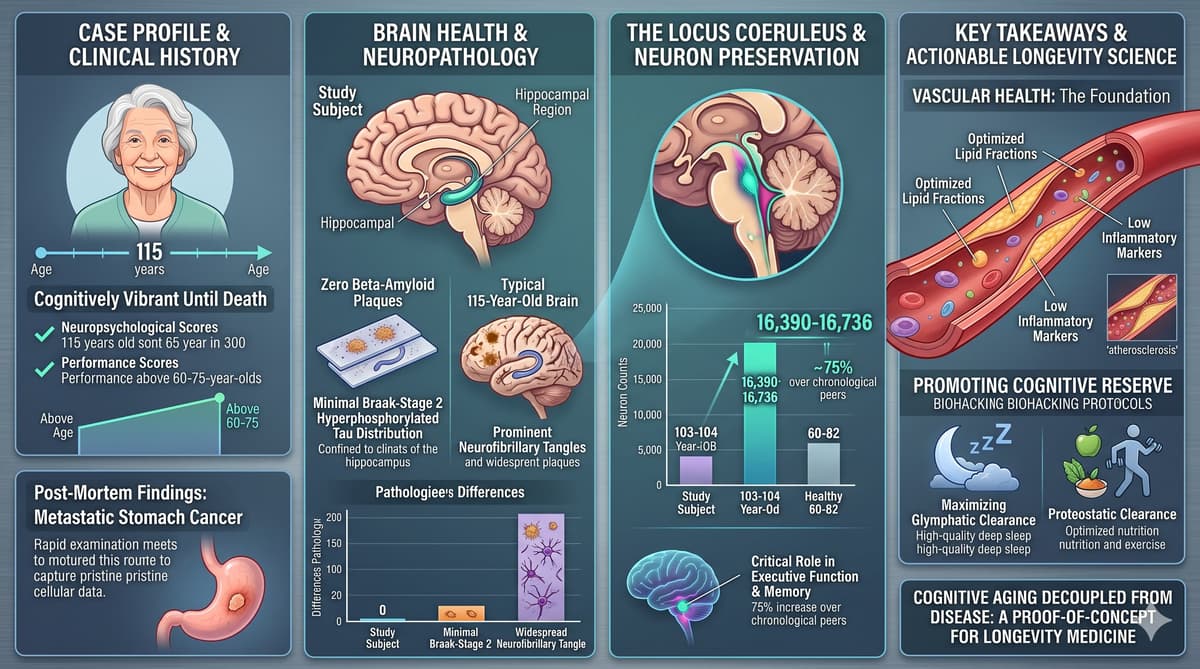
The 115-Year-Old Brain That Escaped Aging: Supercentenarian Autopsy Challenges the Inevitability of Cognitive Decline
Researchers have leveraged the post‑mortem tissues of Hendrikje van Andel‑Schipper, a 115‑year‑old supercentenarian, to uncover unprecedented insights into human aging. Whole‑genome sequencing showed her blood derived from only two hematopoietic stem‑cell clones and that telomeres in blood were 17 times shorter...

Predicting and Preventing Alzheimers & Dementia (and Minimizing Risk)
Researchers now view the 40‑60 age range as a pivotal window for staving off dementia, emphasizing that habits formed in midlife can dramatically shape later cognitive health. Large‑scale studies show that staying physically active, securing seven to eight hours of...
Framework Enables Real-Time Control of Distributed Quantum Experiments
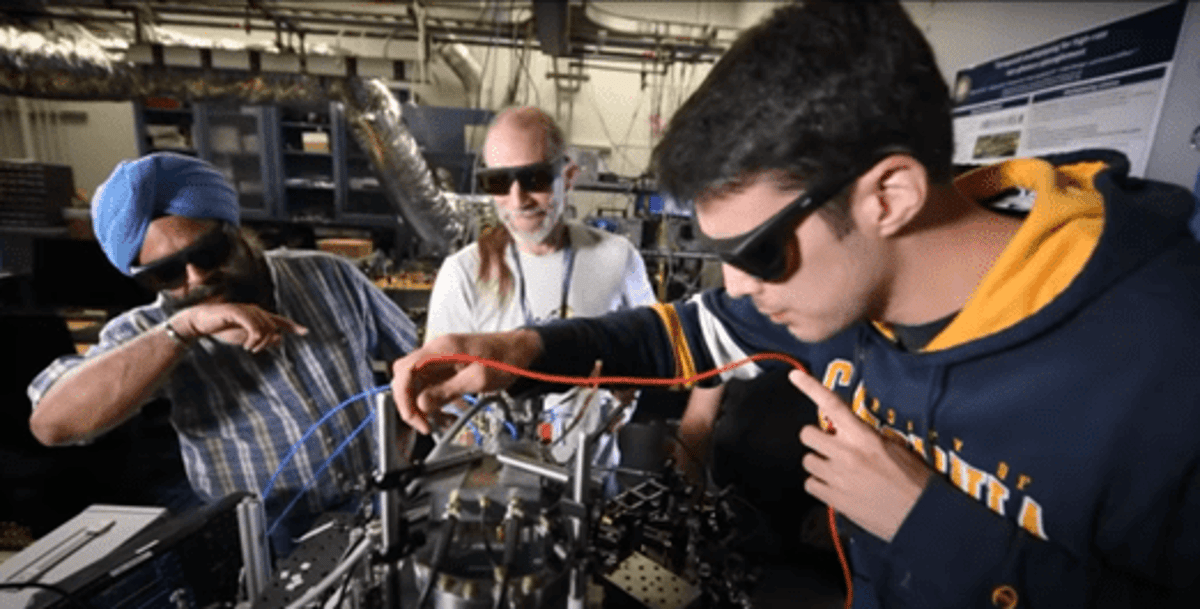
Researchers from Lawrence Berkeley National Lab, UC Berkeley, Caltech and the University of Innsbruck have unveiled a new framework that automates real‑time control of distributed quantum experiments. The system features a two‑level scheduler that distinguishes network‑wide non‑time‑critical tasks from node‑wide...
Co-Design Approach Optimizes Multinode Quantum Computer Performance
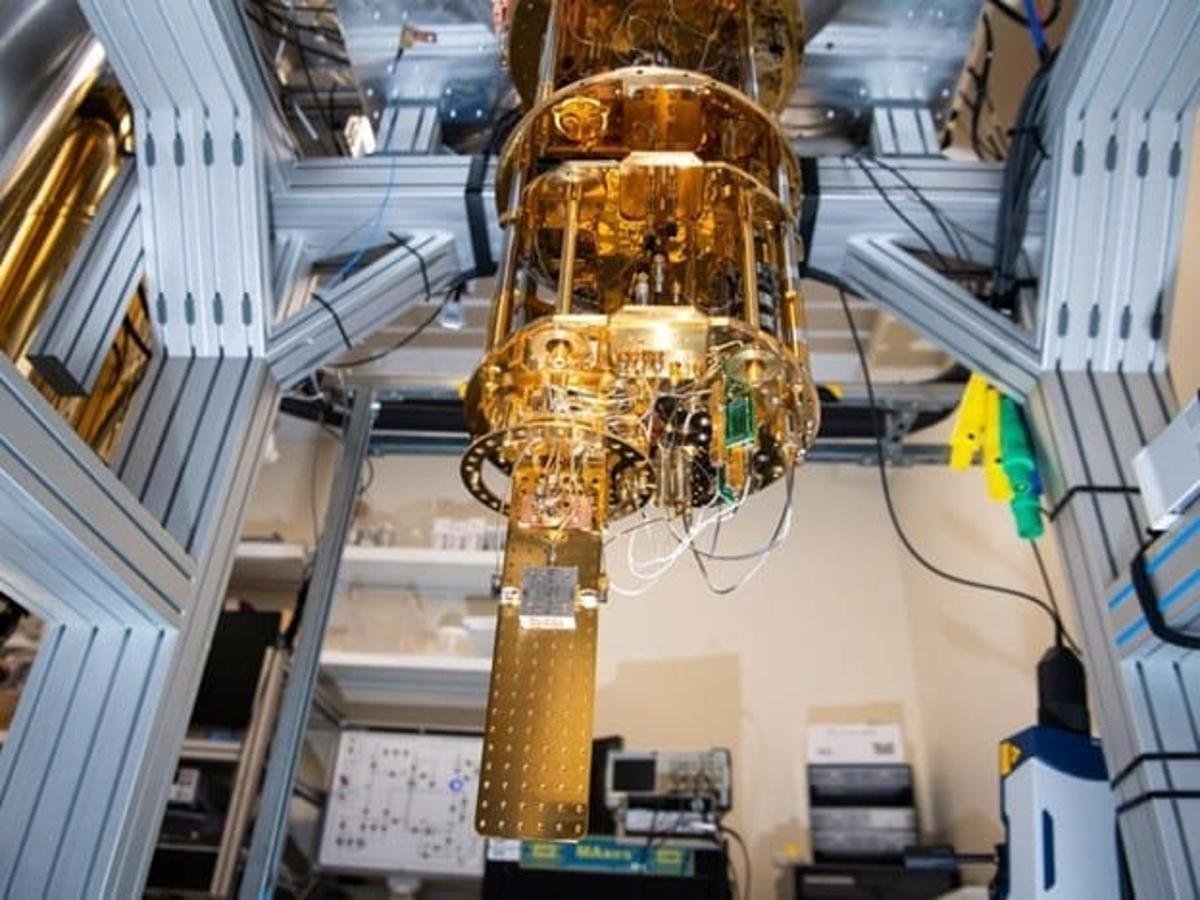
Researchers introduced the ARQUIN model to quantify performance tradeoffs in multinode superconducting quantum computers that rely on optical links between dilution‑refrigerated nodes. The study shows that even noisy quantum links can surpass classical interconnects by preserving entanglement, offering a clear...

Testosterone and Aging: What the Research Shows
Testosterone levels begin a gradual decline in men’s mid‑30s to 40s, with total testosterone falling about 0.4 % per year and free testosterone dropping roughly three times faster. The drop is driven by age‑related changes in the hypothalamic‑pituitary‑gonadal axis, Leydig cell...

Argonne Supercomputer Reveals Pion Structure in Unprecedented 3D Detail
Researchers at Argonne National Laboratory used the Polaris supercomputer to produce the first high‑resolution 3D images of a pion’s internal quark structure. The simulations, based on lattice quantum chromodynamics, revealed how quarks are distributed both longitudinally and transversely within the...

Baxdrostat
Roche, CinCor and AstraZeneca announced that baxdrostat (Baxfendy®), the first oral selective aldosterone synthase inhibitor, received FDA approval in May 2026 for hypertension. The drug shows more than 100‑fold selectivity for CYP11B2 versus CYP11B1, overcoming a long‑standing specificity hurdle. In...

Researchers Use Counterjet to Reveal Clumpy Gas Near a Black Hole
Researchers at Shanghai Astronomical Observatory used the faint counterjet of radio galaxy 3C 84 as a backlight to map the dense ionized gas around its supermassive black hole. Dual‑frequency spectral‑index analysis revealed a clumpy, free‑free absorbing screen with electron densities of...

Alkali-Doped Zinc Oxide Enables Rare-Earth-Free Mechanoluminescence
A research team from Tohoku University and partners has created a sodium‑doped zinc oxide (ZnO) that emits bright near‑infrared light when subjected to minimal mechanical stress, achieving strong mechanoluminescence without any rare‑earth elements. The material’s crater‑like surface and engineered zinc‑vacancy...

Ballistic Electron Transport Observed in Single-Crystalline Copper Thin Films
Researchers from POSTECH, Pusan National University and Mississippi State University have experimentally demonstrated ballistic electron transport in single‑crystalline copper thin films as thin as 80 nm and 150 nm wide. The copper films, grown by Atomic Sputtering Epitaxy, exhibit a surface roughness...

Researchers Discover Piezoelectric Effect in Diamond Membranes
University of Hong Kong researchers have demonstrated a measurable piezoelectric effect in ultrathin polycrystalline diamond membranes, overturning a century‑old belief that diamond is non‑piezoelectric. Using an edge‑exfoliation technique, the team fabricated flexible diamond sheets that produce stable voltage when bent....

How New Technologies Are Impacting the Vaccine Market
Novavax’s Matrix‑M adjuvant technology is being licensed to Pfizer in a $530 million deal, aiming to cut vaccine side effects, lower production costs, and boost immune response. The partnership follows Novavax’s shift toward a technology‑driven, multi‑product engine, as CEO John Jacobs...

What Really Defeated Napoleon’s Army in 1812? Ancient DNA Reveals Surprising Adversary
During the 1812 retreat from Russia, Napoleon’s Grande Armée suffered massive losses, historically blamed on typhus. Researchers from the Pasteur Institute sequenced ancient DNA from teeth of 13 soldiers buried in Lithuania, uncovering Salmonella enterica and Borrelia recurrentis instead of...

Selective Pressure, Selective Silence
A new Nature paper by Harvard geneticist David Reich and colleagues examined ancient DNA from nearly 16,000 West Eurasians spanning the last 10,000 years. The analysis revealed that directional genetic selection is widespread and accelerating, affecting hundreds of variants tied...
The Iron Reference Misclassification: Why Standard Blood Panels Fail Precision Longevity
Standard blood panels report systemic iron markers such as serum ferritin, transferrin saturation, and total iron‑binding capacity, but these metrics only indicate extracellular iron availability, not the intracellular ferroptotic activity that drives cell death. Ferritinophagy can rapidly liberate ferrous iron,...
The Iron Reference Misclassification: Why Standard Blood Panels Fail Precision Longevity
A cross‑sectional analysis of 7,990 healthy adults from the NIH All of Us program shows that conventional iron reference intervals misclassify a large share of the population. About 31% of premenopausal women and 30% of young men fall below the...
The Longevity Tax: Why Women's Extended Lifespan Mandates More Years in Ill Health
A new European Journal of Epidemiology study resolves the long‑standing morbidity‑mortality paradox by showing that women’s higher share of unhealthy years stems primarily from their greater longevity, not faster biological decay. Analyzing data from 22 European nations using three statistical...
Rusting the Neurogenic Reserve: Ferroptosis as the Hidden Rheostat of Brain Aging
Researchers led by Zhang et al. (2026) identified ferroptosis as a key regulator of adult hippocampal neurogenesis, showing that iron‑dependent lipid peroxidation disproportionately eliminates quiescent neural stem cells and intermediate progenitors. Aging disrupts the balance between ferroptosis‑inducing and protective genes,...
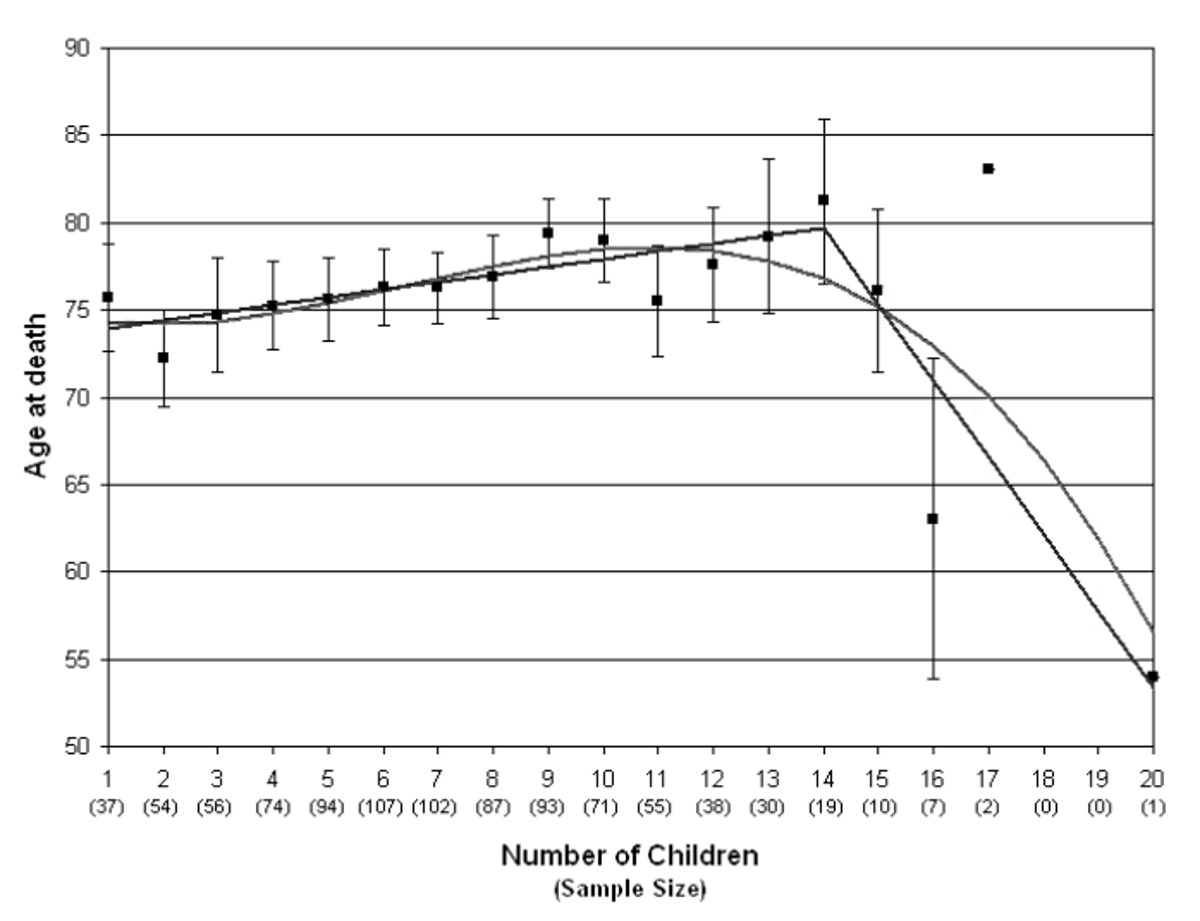
Does Having Children Extend Life Span? A Genealogical Study of Parity and Longevity in the Amish
A genealogical analysis of 2,015 Old Order Amish individuals born between 1749 and 1912 found a linear increase in lifespan with each additional child—0.23 years for fathers and 0.32 years for mothers up to 14 offspring. Women who exceeded 14...

Fewer Qubits Unlock More Powerful Simulations of Crystalline Materials
Researchers at the London Centre for Nanotechnology have introduced periodic symmetry‑adapted encoding (SAE), a technique that exploits crystal symmetries to shrink the qubit footprint of electronic‑structure simulations. Across ten benchmark solids—including diamond, silicon and magnesium fluoride—the method trims 4 to...
On the Trail of the Missing Hydrogen Atoms
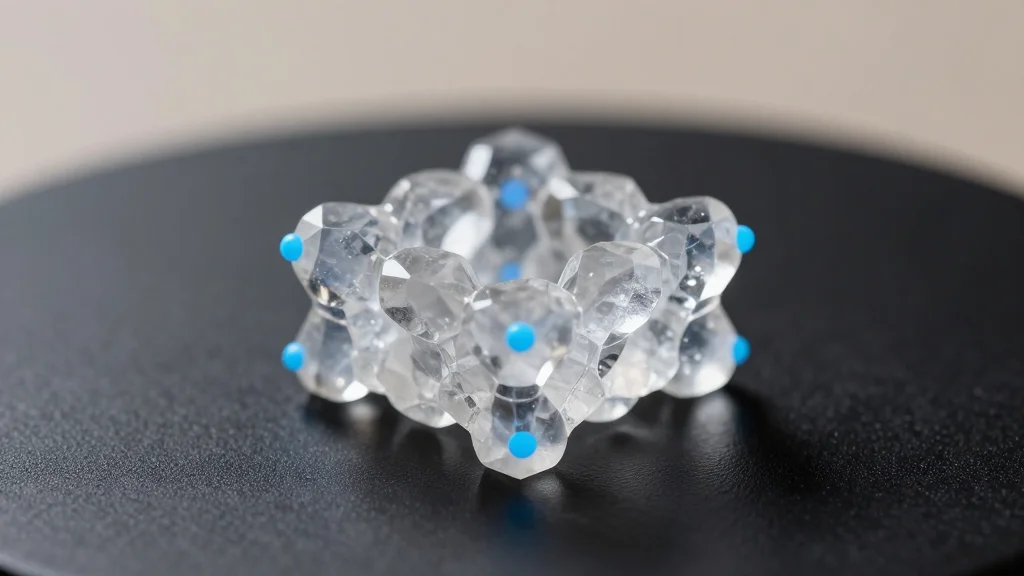
A team led by Giovanni Pizzi has unveiled XtalPaint, an AI‑driven diffusion‑inpainting tool that reconstructs missing hydrogen atoms in crystal structures. Built on Microsoft’s MatterGen, the model restores hydrogen positions with an 87% exact‑match rate and a 97% overall success...

Big Bang Inside a Star: How a Gravastar Forms
Physicists Daniel Jampolski and Luciano Rezzolla have presented the first dynamic solution to Einstein’s field equations that describes how a collapsing massive star could give rise to a gravastar instead of a black hole. The model predicts that, at the...

AI Fast-Forwards Molecular Simulations by 10 000-Fold
Researchers at Chalmers University and the University of Gothenburg have unveiled TITO, an AI‑driven generative model that accelerates molecular dynamics simulations by more than 10,000‑fold. The model learns underlying atomic motions from short‑time‑step data and can extrapolate to nanosecond‑scale behavior...
800× Better Logical Qubits Demonstrated on Quantinuum Hardware And Now Published In Nature
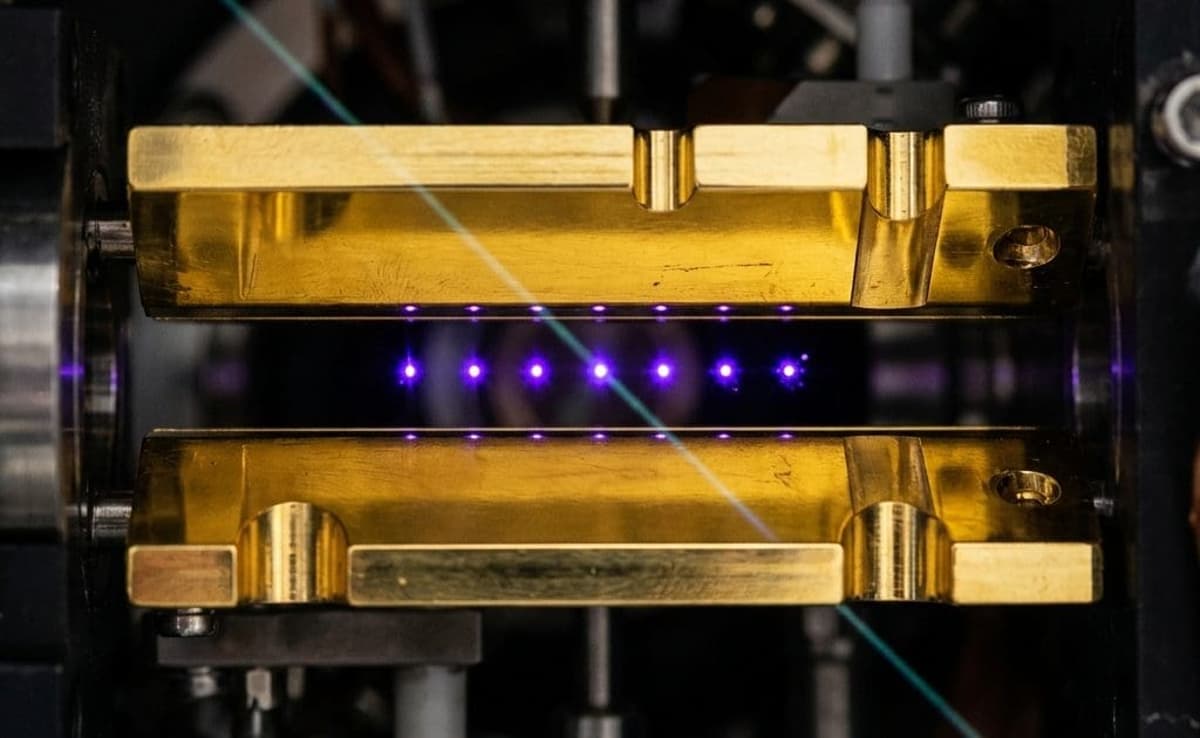
Quantinuum announced that its commercial System Model H2 achieved logical qubits that are 800 times more reliable than the underlying physical qubits, a breakthrough published in Nature in June 2026. The company demonstrated high‑fidelity logical‑qubit teleportation, a tenfold extension of qubit lifetimes...

Complexifying the Complex
The article examines how Wick rotation in two‑dimensional conformal field theory (CFT) forces a second‑level complexification of objects that are already complex. By treating real vector spaces with an intrinsic complex structure, the author shows that their complexification yields a...

The Physics of Interstellar Travel
Coryn Bailer‑Jones’s new textbook *The Physics of Interstellar Travel* addresses a long‑standing gap in higher‑education by delivering the first college‑level treatment of star‑flight physics. The book surveys the surge of interest sparked by initiatives such as NASA’s 100‑Year Starship and...

‘Brain-Free’ Robots that Move in Synchronization, Powered Entirely by Air
University of Oxford researchers have unveiled a new class of soft robots that operate solely on air pressure, eliminating the need for electronics, motors, or onboard computers. The modular fluidic units act as actuators, sensors, and valves, enabling tabletop robots...

Cloudy Mornings and Clear Evenings
Researchers have used transit spectroscopy to compare the morning and evening sides of the tidally‑locked gas giant WASP‑94A b. The observations reveal thick cloud decks on the planet’s nightside that dissipate as the region rotates into daylight. This spectral asymmetry provides...

Light-Induced Drag Reveals New Way to Control Nanoscale Motion
Researchers at Ruhr University Bochum have demonstrated that illuminating fluorescent carbon nanotubes in water creates a measurable drag, slowing their diffusion. The effect, termed light‑induced quantum friction, scales with light intensity and originates from exciton‑water dipole coupling. Experiments using terahertz...

Newly Synthesized Fullerene Material Remains Metallic Even Under Low Temperatures
An international team led by Osaka Metropolitan University has synthesized a new fulleride, Yb₂CsC₆₀, that remains metallic even at the lowest temperatures tested. The material’s single‑hole p‑orbital configuration defies the expected Mott metal‑insulator transition despite strong electron‑electron correlations. Researchers attribute...

The Most Interesting Number in Tango’s Data Isn’t 92%
Biotech firm Tango reported a striking 92% response rate in its latest pancreatic cancer trial, a figure that dwarfs the single‑digit response rates historically seen in the disease. However, a deeper look at the data reveals that the most compelling...

3D Brain Simulations Reveal How Learning Is Regulated on a Cellular Level
Scientists at the Salk Institute have used 3D electron‑microscopy reconstructions and computer simulations to measure changes in synaptic vesicle density during long‑term potentiation (LTP). The study, published in PNAS on May 26, 2026, shows that vesicle density decreases and vesicle mobility increases...