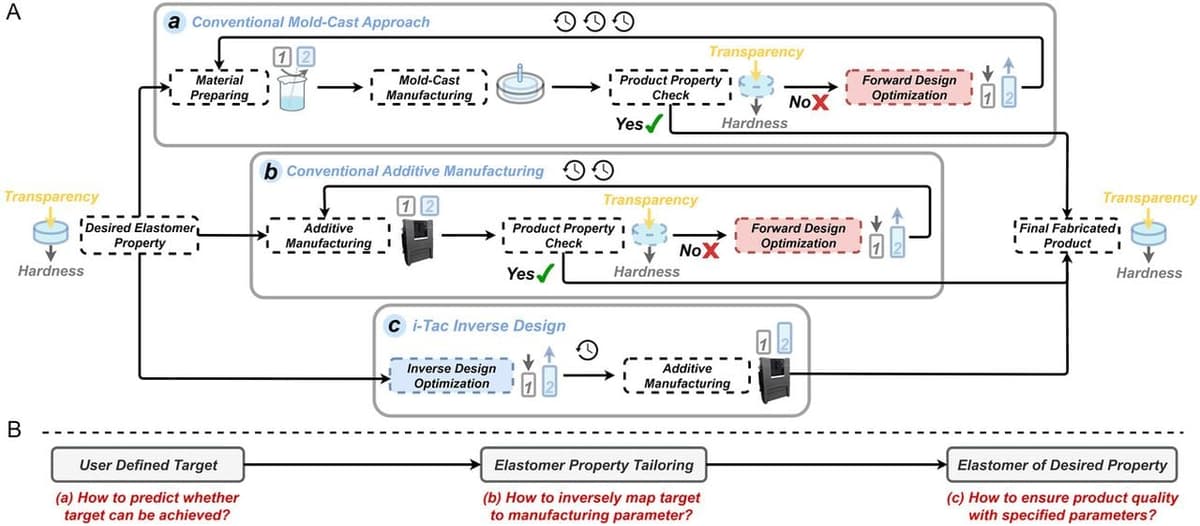
I-Tac Inverse Design Tunes 3D Printed Elastomers’ Optics And Haptics
Researchers have unveiled i‑Tac, an inverse‑design workflow that simultaneously tunes the tactile response and optical appearance of 3D‑printed elastomers. The method builds a library of printed samples, trains a differentiable model, and runs an optimizer to generate printable voxel‑level material fields that meet user‑specified feel and look targets. It is compatible with vat photopolymerization systems such as DLP and PolyJet and leverages elastomeric resins from vendors like Carbon and Stratasys. By automating the multi‑objective trade‑off, i‑Tac promises to cut the manual iteration that dominates soft‑touch prototyping.

Can Ivermectin and Mebendazole Treat Cancer?
The Wellness Company posted a self‑reported study of its ivermectin 25 mg/mebendazole 250 mg capsule, claiming an 84% clinical‑benefit ratio and that 33% of participants showed no evidence of disease. The analysis drew on 197 baseline surveys and 122 six‑month follow‑ups, but relied solely...

Canagliflozin - Another Top Longevity Drug
The class of sodium‑glucose cotransporter‑2 (SGLT2) inhibitors has moved from glucose‑lowering pills to a cornerstone of cardiometabolic care. Large‑scale trials and real‑world registries consistently show that agents such as canagliflozin, dapagliflozin and empagliflozin cut heart‑failure admissions, slow chronic kidney disease...

IBM and RIKEN Hail Breakthrough in Quantum-Assisted Supercomputing
IBM and Japan’s RIKEN announced a quantum‑assisted simulation of a 12,635‑atom protein, the largest ever performed on a quantum system. The hybrid workflow combined IBM’s 156‑qubit Heron processor with classical supercomputers Fugaku and Miyabi‑G, running about 6,000 quantum sub‑simulations using...

Telomeres: History, Health and Hallmarks of Aging
Bill Andrews, a co‑discoverer of human telomerase, argues that telomere shortening is the primary limiter of human lifespan and that systemic activation of telomerase can reverse biological aging. He promotes small‑molecule activators such as TAM‑818 and botanical blends like Telo‑Vital,...

Molecular Hydrogen May Reduce Fatigue and Support Physical Function in People with Long COVID
A single‑blind, 14‑day pilot trial published in *Nutrients* examined hydrogen‑rich water versus regular water in 32 adults with long‑COVID. Participants drinking the hydrogen‑infused water reported statistically significant reductions in fatigue and showed measurable gains in six‑minute walk distance (42‑62 m), chair‑stand...

Neural Maintenance: Why Some Brains Defy the Calendar
A new review in Ageing Research Reviews argues that chronological age is a poor predictor of cognitive performance, highlighting extreme inter‑individual variability. The authors identify the medial temporal lobe, especially the hippocampus and entorhinal cortex, as the hub where network...
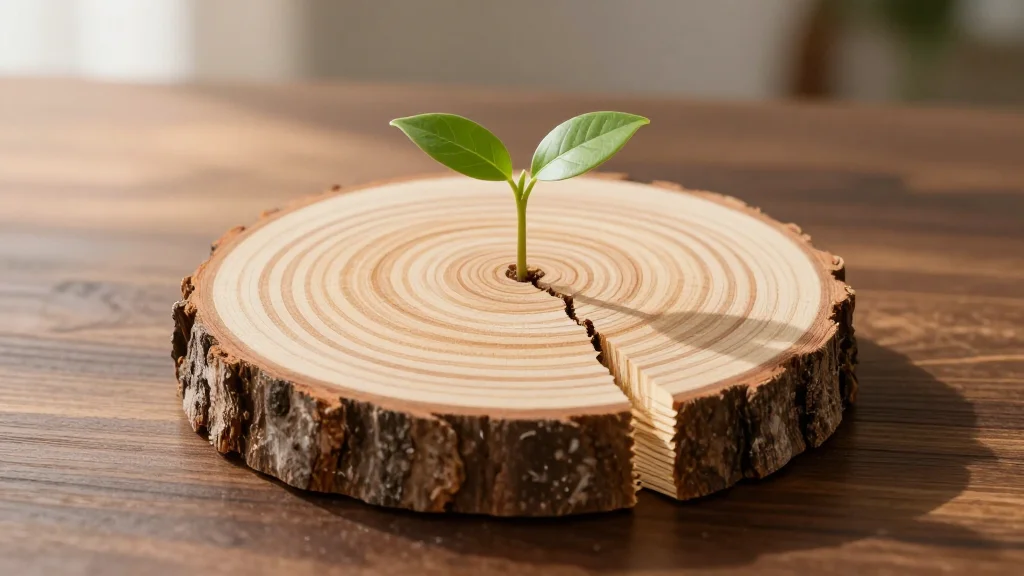
Climate Trunk
Climate Trunk launches a two‑year series of weekly infographics that together form a visual “tree of knowledge” on climate science, policy, impacts and justice. The initiative uses a trunk‑and‑rings metaphor to organize each new visual as a coherent layer that...
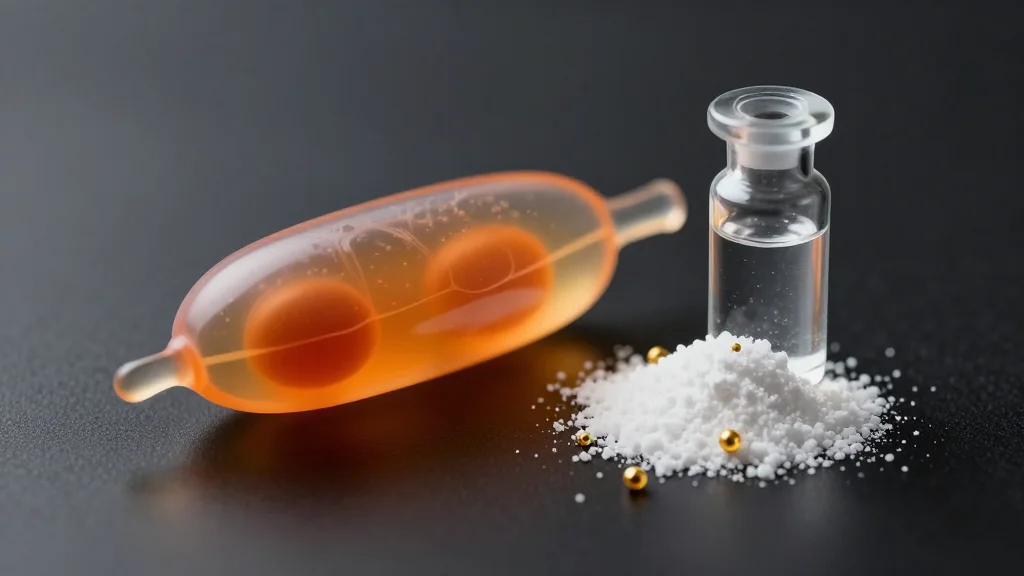
Ubiquitin Rides Again
A new Nature paper introduces a high‑throughput assay that reveals ubiquitination of non‑protein substrates, most notably glycogen. The study shows that ubiquitinated glycogen is routed to lysosomes for degradation, a pathway that intensifies during fasting and is disrupted in glycogen...

Before You Trust that Aging Test, Here’s What Scientists Want You to Know
Epigenetic aging clocks translate DNA methylation patterns into a single age estimate, becoming a cornerstone for population‑level aging research. Dozens of commercial tests now market these clocks to consumers for $30‑$1,000, promising a personal “biological age.” Scientists warn that the...
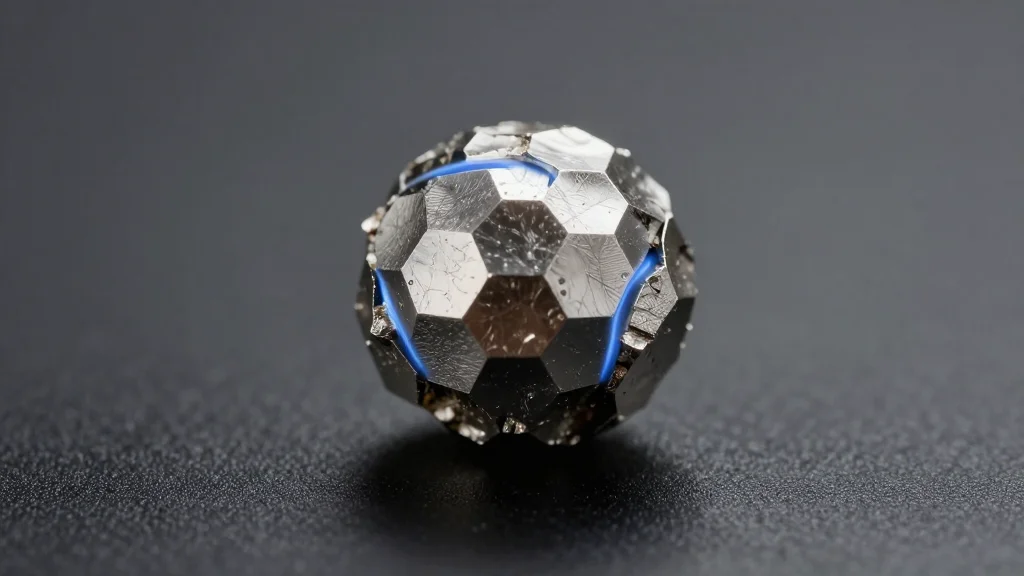
Analytical Breakthrough Reveals How Resonances Open True Energy Gaps in Quasicrystals
A new theoretical study published in Physical Review B demonstrates that eight‑fold optical quasicrystals possess true energy gaps, a feature previously thought exclusive to periodic crystals. Using a configuration‑space approach that works in the infinite‑size limit, the researchers linked these gaps...

The Mountains Are Getting Too Hot
Mount Rainier’s snowpack has collapsed to roughly 29% of its historic median, forcing guide companies to truncate the climbing season by about 20% and end trips around Labor Day. The broader Pacific Northwest is experiencing a snow‑water equivalent as low...

SpaceX Starship Flight 12 Likely Late May After Generator Explosion and Deluge Damaged
SpaceX’s new Orbital Launch Pad 2 suffered a methalox gas‑generator explosion during a high‑volume deluge test, sending roof panels and debris airborne. The incident was confined to the generator and overhead cover, leaving the pad’s core structure and flame trench undamaged....

Pop Quiz: Do 10%, 25% or 50% of Your Patients Follow Your Post-Op Activity Instructions?
A single‑blinded randomized trial of 200 lumbar microdiscectomy patients compared traditional activity restrictions with an unrestricted, pain‑guided approach. Both groups wore activity monitors for a month, providing objective data on sitting, lifting, and movement. At one‑year follow‑up, there were no...
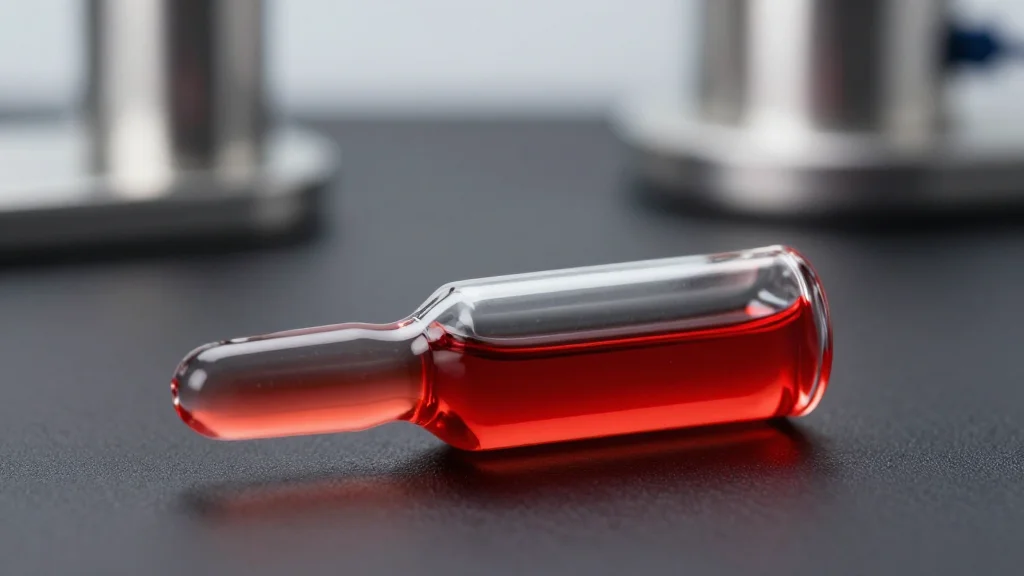
Blood as the Mirror of Aging
Recent research positions blood as both a diagnostic mirror and a therapeutic lever for aging. Multi‑omics studies show plasma proteins, metabolites, and extracellular vesicles reflect chronological and organ‑specific age, while heterochronic parabiosis and young plasma transfers demonstrate that youthful circulation...

Chernobyl's Unintended Nature Reserve
For the first time since 1919, solar power overtook coal as the world’s leading electricity source, delivering 2,778 TWh in 2025 and pushing coal below 33 % of global generation. Meanwhile, the Chernobyl exclusion zone, four decades after the disaster, has become...
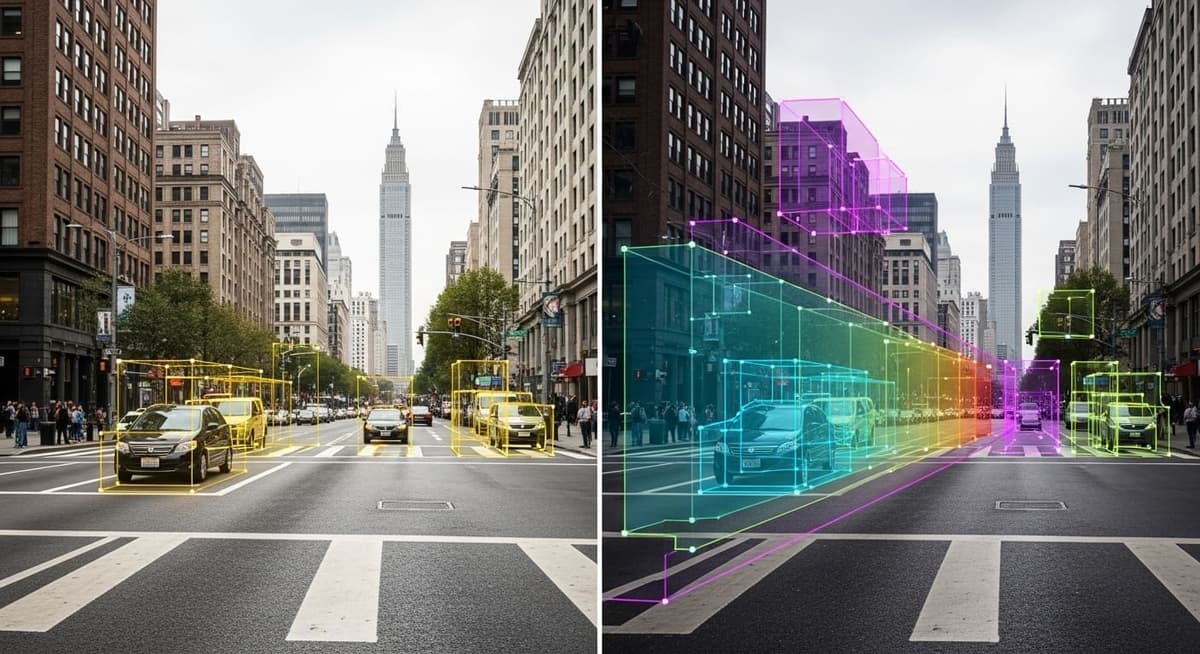
Quantum Machine Learning Gains Accuracy Despite Increasing Circuit Complexity
Researchers from the University of Sharjah, NYU Abu Dhabi and NYUAD Institute conducted a controlled scaling study of hybrid quantum‑classical neural networks, varying quantum layer depth and qubit count across multiple image datasets. They found that increasing the number of...

Quantum AI Matches Classical Performance with Fewer Computational Demands
Researchers at DESY introduced a quantum convolutional neural network (QCNN) that classifies entanglement in simulated fermion‑scattering events with 93% accuracy, outpacing classical CNNs that reached 88%. By converting the entanglement problem into a threshold‑classification task using readily available fermion density...

Engineered Quantum Circuits Create Novel States of Matter with Time-Based Order
Researchers led by Tom Ben‑Ami at the Max‑Planck Institute have engineered “many‑body cages” inside Floquet quantum circuits, actively trapping particles to create novel nonequilibrium phases. Using a quantum hard‑disk model that can be implemented with Rydberg atom arrays, they demonstrated...

New Complexity Classes Defined for Optimisation and Statistical Problems
Researchers Kunal Marwaha and James Sud at the University of Chicago have mapped the computational complexity of 2‑local Hamiltonian problems into three distinct phases: QMA‑complete, StoqMA‑complete, and a newly defined class called EPR. Their analysis shows that the ordering of...

Algorithms Now Bypass Local Minima to Reliably Find Optimal Solutions
Stanford researchers led by Yihang Sun present the first analytical study of the Energy Conserving Descent (ECD) algorithm, introducing stochastic (sECD) and quantum (qECD) variants that can escape local minima and converge to global solutions. The paper proves both sECD...

Algebra’s Structure Defines Size of Neighbourhoods and Resolves Longstanding Conjecture
Researchers Mizanur Rahaman and Mateusz Wasilewski at Chalmers University have introduced a new technique to quantify the size of separable neighbourhoods around the identity in bipartite C*‑algebras. The method ties the neighbourhood radius to the completely bounded norm of contractive...
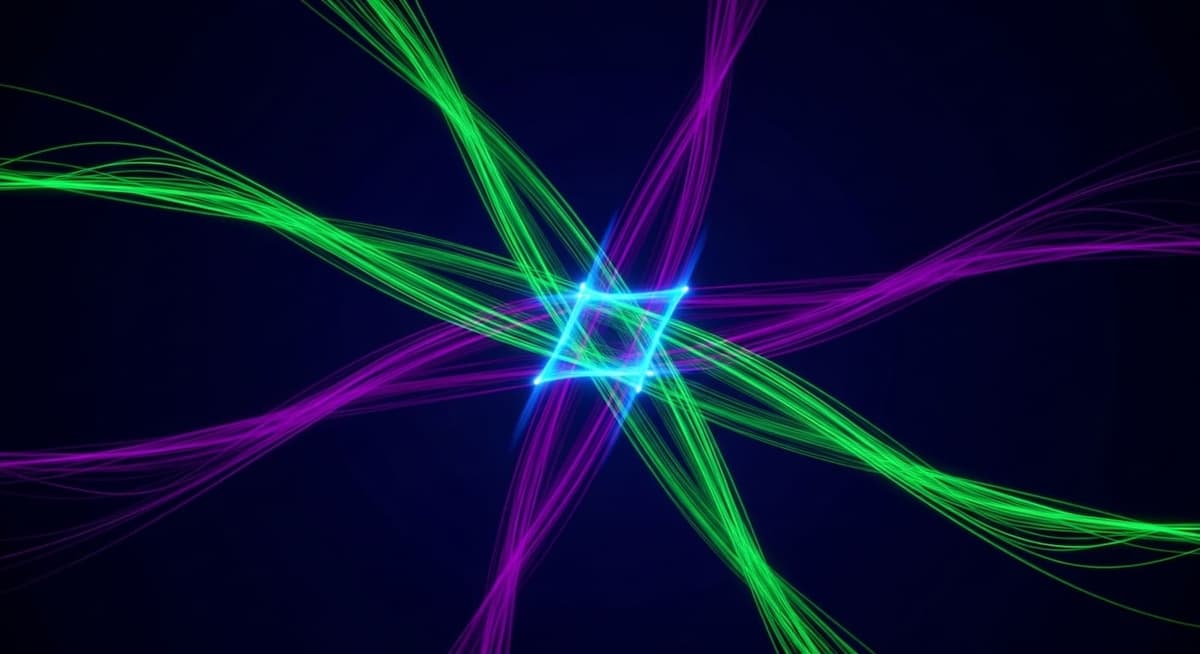
Graphene Could Enable Tests of Quantum Chaos Using Tiny ‘Neutrino Billiards’
A Max‑Planck research team has introduced “neutrino billiards,” a relativistic quantum‑chaos model that confines spin‑½ particles within planar domains. By applying a Green’s theorem‑based boundary‑integral equation, they solve the Dirac equation without relying on symmetry classifications. Simulations show odd‑reflection spectral...

Unused Fibre Optic Capacity Can Boost Quantum Security Networks
Researchers at the Technical University of Munich have introduced an opportunistic quantum key distribution (QKD) framework that taps idle spectral capacity in existing 80‑channel wavelength‑division multiplexing (WDM) fiber. Monte‑Carlo simulations reveal that 45‑65% of unused spectrum can be repurposed for...
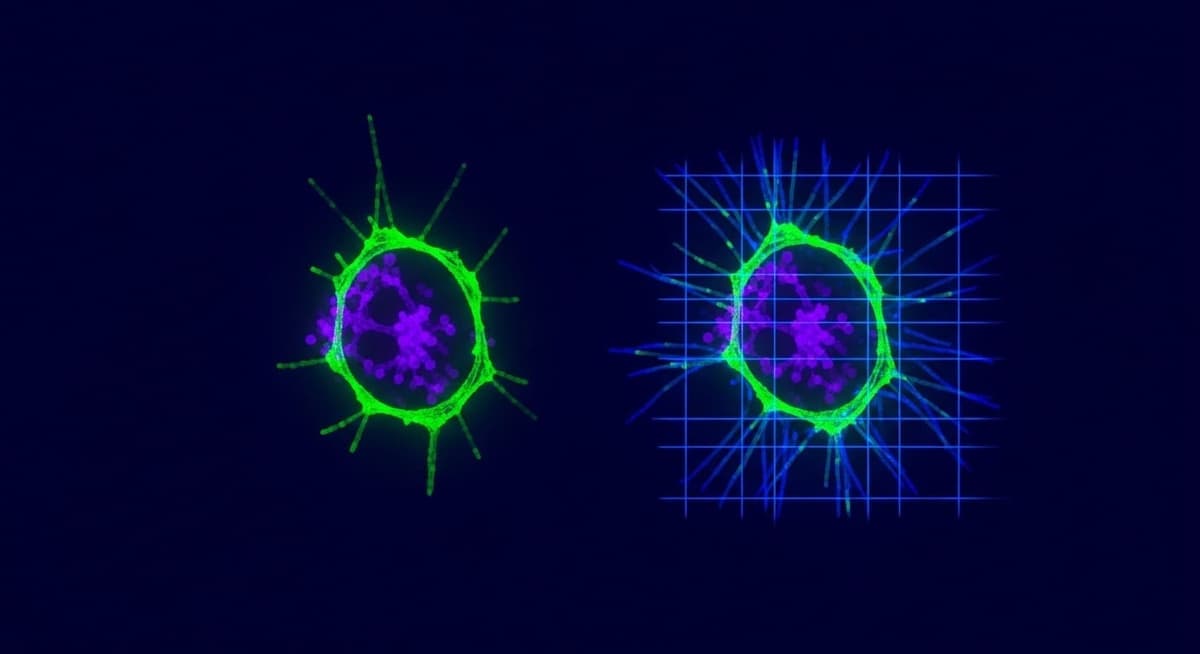
Complex Systems Reveal How Small Changes Create Unpredictable Behaviour
Researchers at Washington State University, led by Steven Tomsovic, have advanced the study of Hamiltonian chaos by applying Birkhoff normal coordinates to map stable and unstable manifolds with unprecedented precision. The work clarifies how small perturbations generate complex, unpredictable trajectories...

Quantum Networks Edge Closer with 30-Metre Photon Transfer
Researchers at ETH Zurich and partner institutions have transmitted individual microwave photons shaped in three orthogonal temporal modes across a 30‑metre cryogenic link. Using superconducting circuits, they achieved selective absorption of a chosen mode while reflecting the other two, reaching...
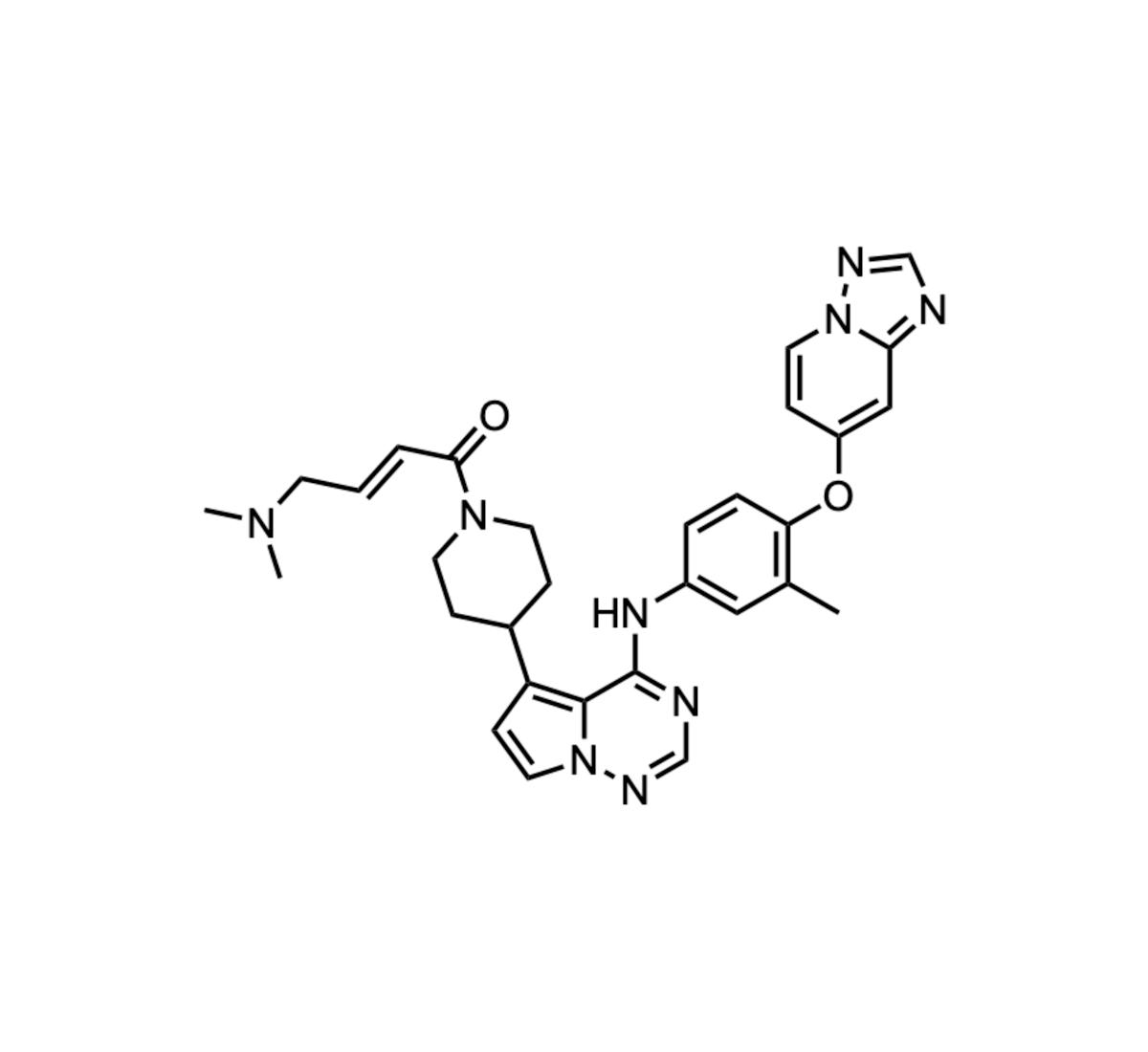
IAM1363
Iambic Therapeutics of San Diego announced the initiation of a Phase 1 clinical trial for an oral covalent inhibitor targeting HER2‑mutant cancers. The molecule, identified through an AI‑guided high‑throughput screening campaign, binds irreversibly to the mutant HER2 kinase domain. Preclinical data...
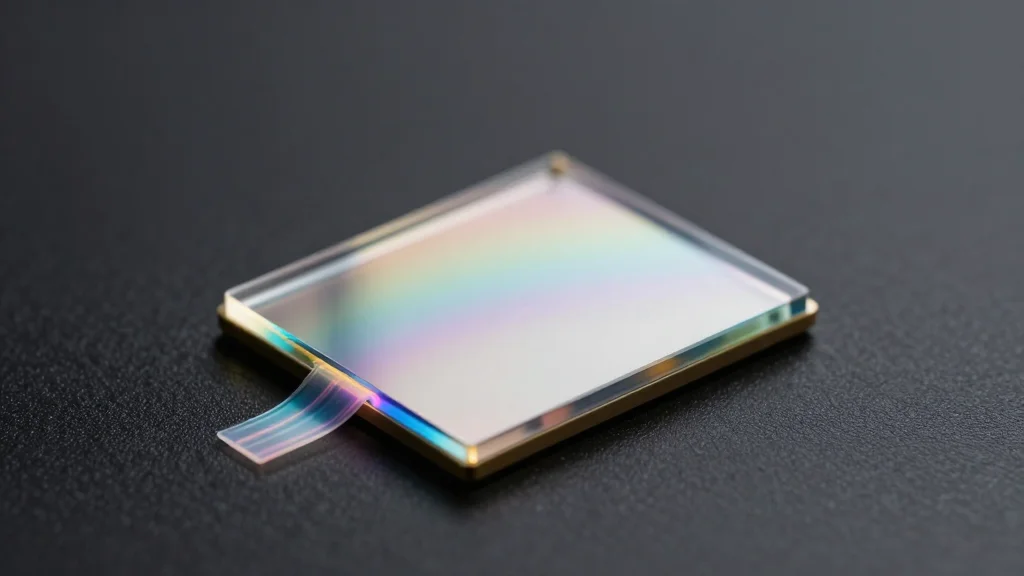
Room-Temperature Photodetector Spans Visible Light All the Way to Terahertz
Researchers have demonstrated a room‑temperature photodetector built from the topological insulator SnBi₂Te₄ that detects light from the visible spectrum through terahertz frequencies. The device merges a conventional photoconductive effect for high‑energy photons with an electromagnetic‑induced well mechanism that captures low‑energy...
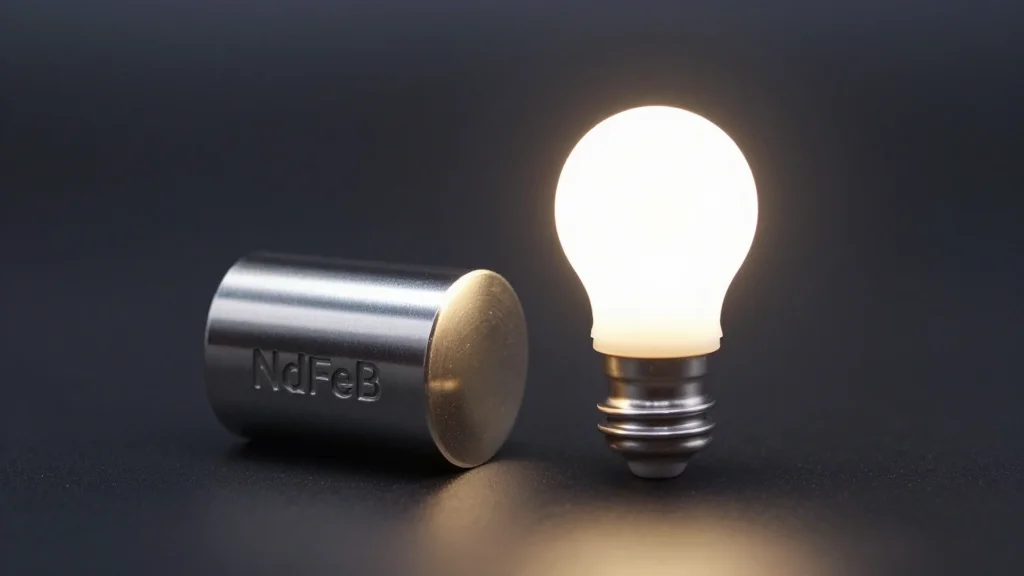
How Rare Earths Sustain Space Habitats For Brave Astronauts
Space habitats rely on rare‑earth elements (REEs) to turn life‑support functions into lightweight, high‑efficiency systems. NdFeB and SmCo magnets power pumps, fans, and reaction wheels, while europium‑based phosphors provide LED lighting that mimics natural sunlight. The article traces REEs from...
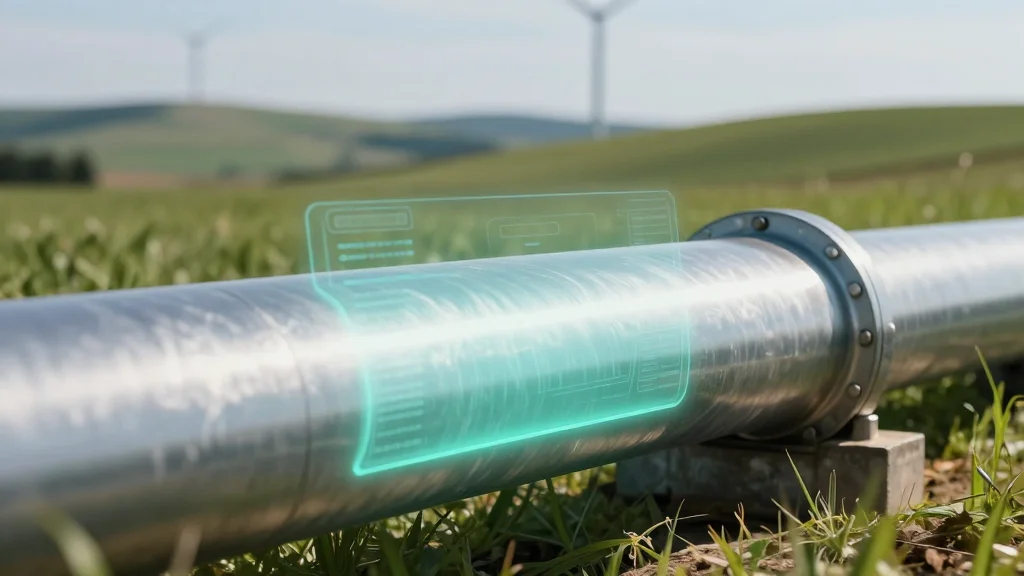
Innovative Numerical Simulation Methods for Resilient Hydrogen Networks
Researchers at Fraunhofer EMI have unveiled a hydraulic simulation tool that models hydrogen pipeline networks under extreme disruptions. Built on the EU’s SecureGas natural‑gas algorithm, it adds dynamic pressure, flow and storage modeling for hydrogen’s unique properties. The platform enables...
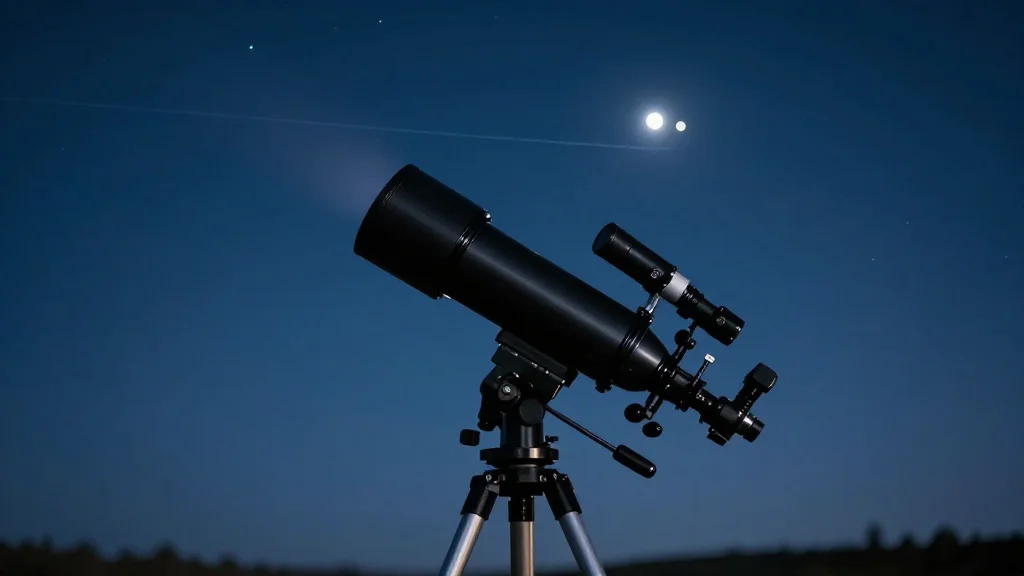
New Star Wars-Like Planet Candidates with Two Suns Discovered
Astronomers at the University of New South Wales have unveiled a new planet‑finding technique called apsidal precession, which identified 27 candidate circumbinary planets in a single analysis of TESS data. The method detects subtle shifts in the eclipse timing of...
(Not) Getting Misled by Crystal Structures Part 6: Low Ligand Occupancies
A recent study re‑refined roughly 10,000 protein‑ligand structures from the PDB and found that while only 10% originally reported ligand occupancies at or below 0.9, re‑refinement raised that figure to 35%. Fragment‑sized ligands (<300 Da) were especially prone to occupancy loss,...

Why Relational N-Back Is Different — And Why the Surface Format Matters
A 2025 EEG microstate study showed that a relational integration version of the n‑back, which tracks structural changes rather than item identity, increased frontoparietal resting‑state activity linked to fluid intelligence. The experiment involved 57 participants training for a month and...

Some Renewable Energy Updates
A new Nature study compares direct air capture (DAC) with wind and solar, finding that current and near‑term DAC technologies are less cost‑effective than renewable deployment across all U.S. regions. Only a massive breakthrough in DAC efficiency could make it...
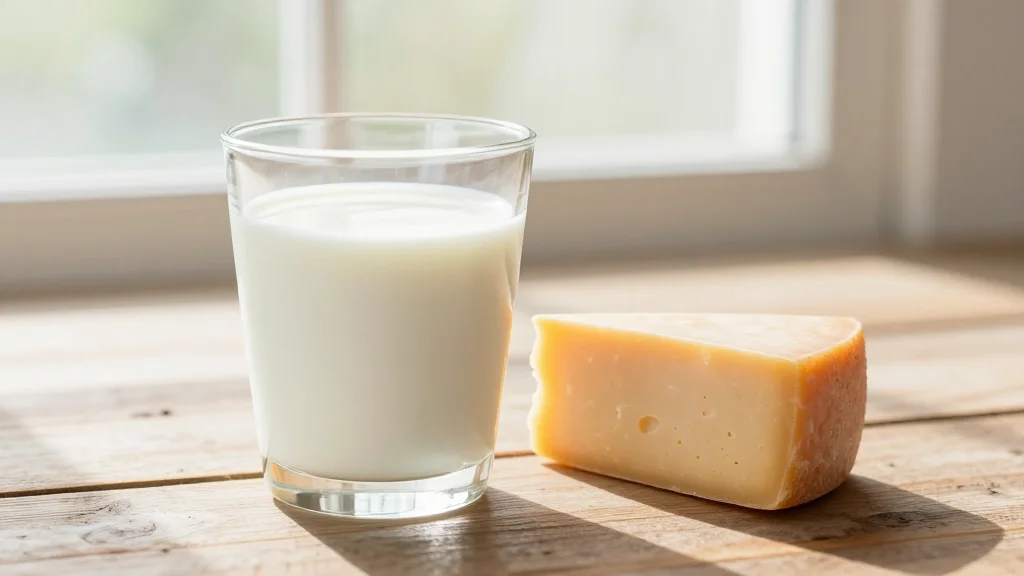
Industry-Funded Study of the Week: Full-Fat Dairy and Body Weight
A 12‑week Canadian trial added three daily servings of full‑fat dairy to the diets of overweight and obese adults following Canada’s Food Guide. Participants who increased dairy intake lost weight, lowered BMI, and consumed more protein and calcium. The research...
Why Does More Cancer Imply Less Neurodegeneration and Vice Versa?
Epidemiological studies consistently reveal an inverse relationship between cancer incidence and neurodegenerative disease risk. The trade‑off is linked to how tissue‑maintenance activities, especially stem‑cell driven cell replication, decline with age. Lower replication reduces the chance of oncogenic mutations but also...
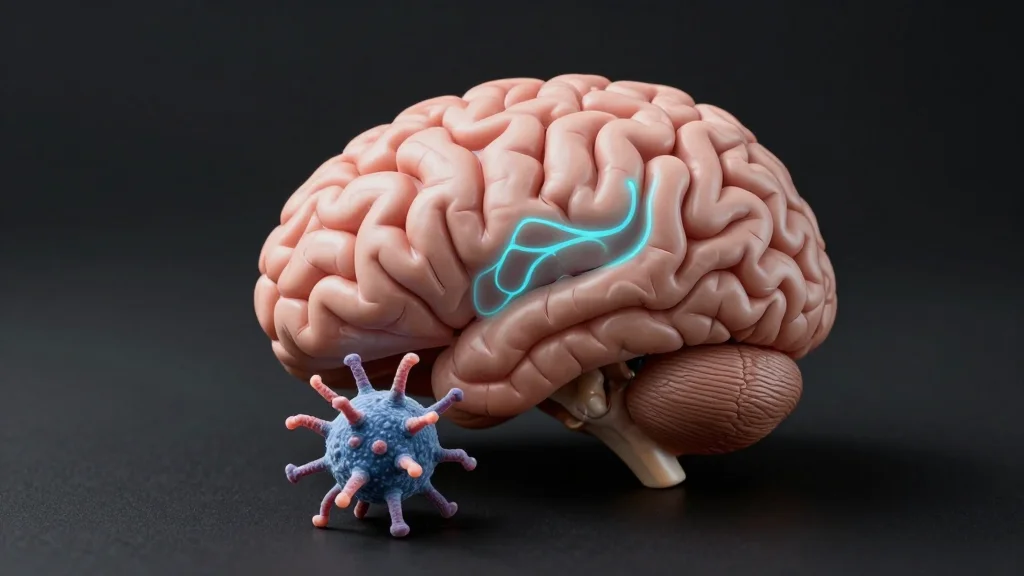
A Mechanism Linking Protein Aggregation to STING Activation and Inflammation in the Aging Brain
Researchers identified S‑nitrosylation of the immune sensor STING at cysteine‑148 as a key driver of neuroinflammation in Alzheimer’s disease. The modified protein, SNO‑STING, was abundant in human Alzheimer’s brains, cultured microglia, and mouse models. Blocking this chemical change reduced microglial...

Study of Food Noise Aims to Account for Lived Experience
Researchers are finally naming the intrusive, constant thoughts about food that patients call “food noise.” Two recent papers in Nutrition & Diabetes argue that these patient‑reported experiences deserve rigorous scientific study, while a TikTok content analysis shows the phenomenon is...

The Inflated Reality: Unmasking the Biological Cost of Modern Lip Augmentation
The American Society of Plastic Surgeons reported roughly 1.45 million lip‑augmentation procedures in the United States in 2024, indicating that 5‑10 % of adult women have undergone the treatment at least once. Modern practice relies chiefly on hyaluronic‑acid fillers that are chemically...

Cosmic Cannibalism: When Stars Eat Their Planets
Astronomers analyzing 91 co‑moving stellar twins discovered that roughly one in twelve Sun‑like stars shows chemical evidence of having devoured a rocky planet. By measuring 21 elemental abundances with high‑resolution spectra from the VLT, Magellan and Keck, the team identified...

Crack-Free Ti-Modified 6063 Aluminum TPMS By LPBF
Researchers have engineered a titanium‑microalloyed 6063 aluminum alloy that can be printed by laser powder‑bed fusion without hot cracking. Using this alloy, they produced crack‑free triply periodic minimal surface (TPMS) lattice structures, which are known for high stiffness and adjustable...
Nanoplastics in Drinking Water: MAHA Activists Forge Science-Based Bipartisan Coalition
The EPA has released a draft rule that formally adds microplastics and pharmaceutical residues to its list of drinking‑water contaminants, requiring utilities to monitor but not yet set removal limits. The proposal marks the first federal acknowledgment of nanoplastics as...

The Thymus As A Key Target For Aging Intervention, Dr. Greg Fahy (May/2026 Berkeley)
Dr. Greg Fahy argues that restoring the thymus is essential for true immune rejuvenation, citing anecdotal benefits from long‑term HGH use and early data from his TRIIM program. Recent Nature papers link thymic health to lower mortality and stronger cancer‑immunotherapy...
Hidden Ingredient in GLP-1 Tablets Raises New Gut Health Questions
Oral semaglutide tablets rely on the absorption enhancer SNAC (salcaprozate sodium) to cross the stomach lining, but only 0.4%‑1% of the drug reaches the bloodstream. A 21‑day rat study published in the Journal of Controlled Release found that the majority...
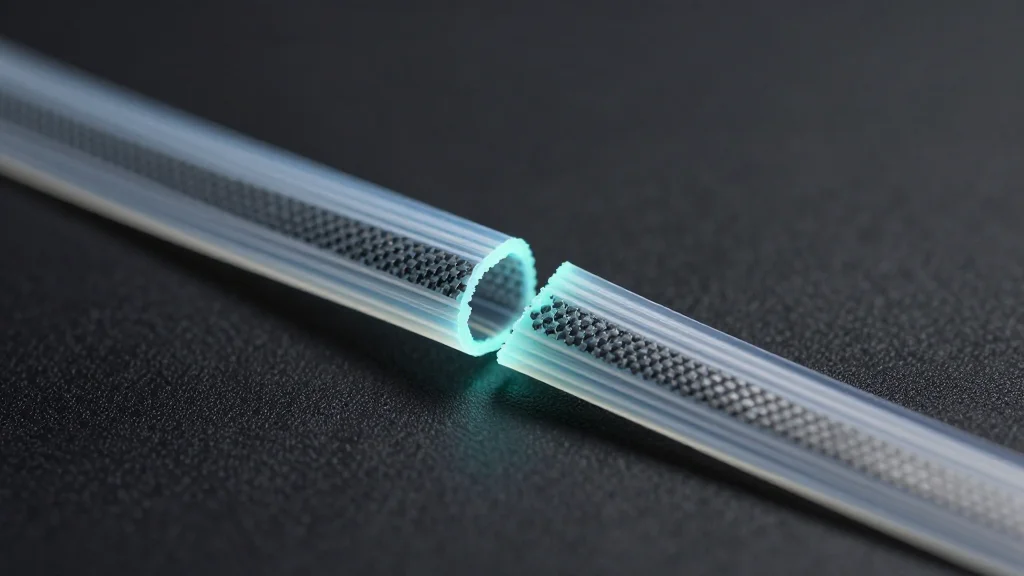
Self-Healing Synaptic Transistor Recovers Memory After Damage
Researchers have created a fully self‑healing, stretchable synaptic transistor that regains most of its function after being cut in half. The device restores about 80% of its operating current and over 90% of its memory within 24 hours without external triggers,...
Why Fiber Matters More than You Think, According to Science
The article explains why dietary fiber matters, highlighting that its beta‑glycosidic bonds make it indigestible, unlike starch’s alpha bonds which are readily broken down for energy. This structural difference gives fiber its role in plant support and human gut health,...

RESEARCH: NICLOSAMIDE in CANCER and Other Diseases - 2025 Review Paper From Henan, China
A 2025 review paper from Henan, China, evaluates niclosamide—a decades‑old anti‑parasitic—as a repurposed oncology agent. The analysis compiles pre‑clinical data across breast, lung, pancreatic and colorectal cancers, and highlights early‑phase clinical trials showing modest tumor responses. Researchers also discuss formulation...

Thermocline
The post explains the thermocline as the ocean zone where temperature drops sharply below the sun‑warmed mixed layer, typically beginning tens of metres down and extending to about 1,000 m. It notes that the gradient is strongest in tropical and temperate...

Rethinking Blood Thinners for Atrial Fibrillation Patients
At the American College of Cardiology meeting, a three‑year trial demonstrated that the Watchman left‑atrial‑appendage closure device provides stroke protection comparable to lifelong anticoagulation while causing far fewer bleeding events. The findings challenge the entrenched belief that atrial fibrillation patients...

Flickstop
SSI Mantra announced the Vimana drone‑based surgical system, a portable platform that launches autonomous drones to deliver sterile operating kits and real‑time tele‑medicine support to frontline combat zones. The system pairs a lightweight surgical module with AI‑driven diagnostics, enabling medics...