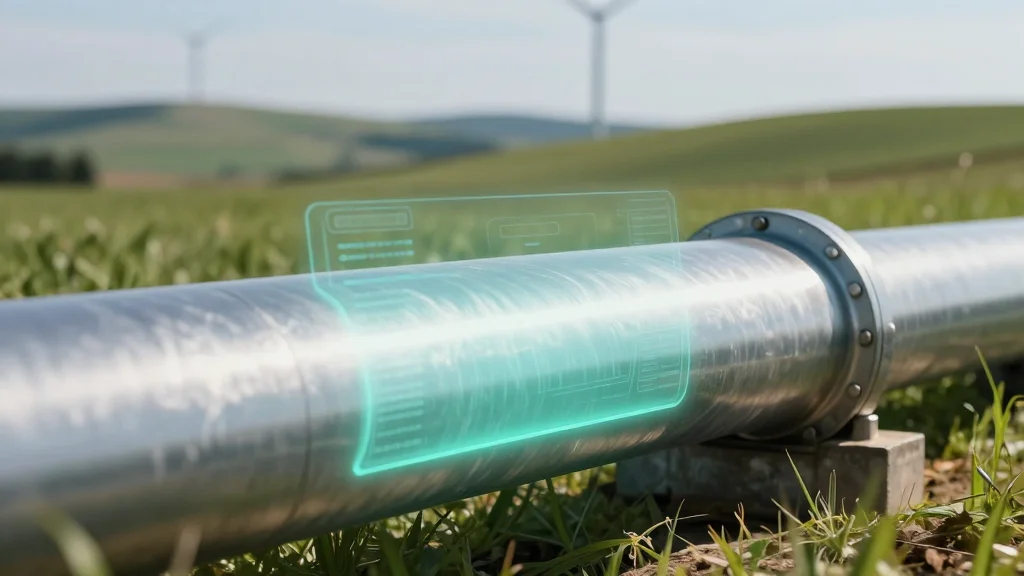
Innovative Numerical Simulation Methods for Resilient Hydrogen Networks
Key Takeaways
- •Fraunhofer EMI created hydraulic simulation for hydrogen pipelines.
- •Tool models dynamic pressure, flow, and storage under extreme events.
- •Enables rapid what‑if analysis of disruptions up to 30‑hour outages.
- •Shows larger storage needed due to hydrogen’s lower density.
- •Supports planners and regulators in building resilient international hydrogen networks.
Pulse Analysis
Green hydrogen is emerging as a cornerstone of the global energy transition, offering a carbon‑free alternative that can be produced from excess wind or solar power. While the technology to generate hydrogen has matured, the challenge now lies in moving the gas from production sites to end users. Pipelines are the most efficient conduit, yet they expose the supply chain to natural disasters, sabotage, or geopolitical shocks. Decision‑makers therefore need tools that can anticipate how a network will behave when a segment is compromised, ensuring continuous delivery.
The Fraunhofer Institute for Materials and Beam Technology (EMI) has adapted the hydraulic algorithm originally built for the EU’s SecureGas natural‑gas project into a dedicated hydrogen‑network simulator. The software captures both static pressure drops and dynamic flow changes, incorporating a range of storage concepts—from underground caverns to above‑ground tanks. Its “what‑if” engine can project the cascade of effects from a 30‑hour outage, pinpointing bottlenecks and estimating restoration times. By delivering rapid, continuous predictions before, during, and after a disruption, the tool gives operators a quantitative basis for resilience planning.
Early results indicate that hydrogen’s lower energy density demands substantially larger storage volumes to offset supply gaps, a finding that will shape investment decisions across Europe and beyond. Regulators can use the simulation outputs to design standards for pipeline conversion and to evaluate cross‑border interconnectors that underpin an international hydrogen market. For utilities, the ability to test mitigation strategies—such as adding buffer storage or rerouting flows—reduces uncertainty and accelerates the rollout of a secure, low‑carbon gas infrastructure. In short, the Fraunhofer model turns abstract risk into actionable insight.
Innovative numerical simulation methods for resilient hydrogen networks
Comments
Want to join the conversation?