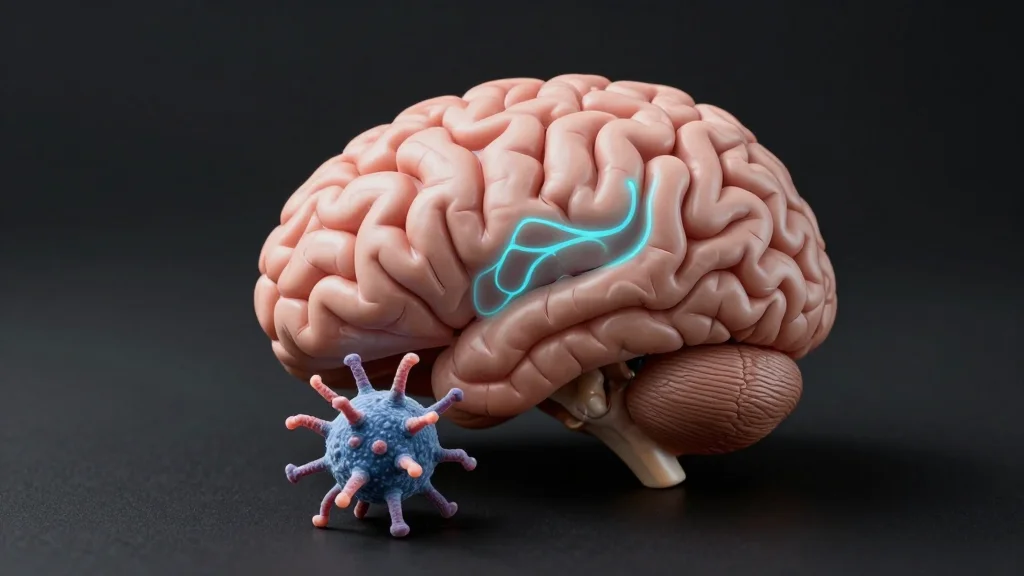
A Mechanism Linking Protein Aggregation to STING Activation and Inflammation in the Aging Brain

Key Takeaways
- •S-nitrosylation of STING at cysteine‑148 drives neuroinflammation in Alzheimer’s.
- •SNO‑STING levels are elevated in human Alzheimer’s brains and mouse models.
- •Blocking STING S‑nitrosylation reduces microglial activation and preserves synapses.
- •Protein aggregates like amyloid‑beta can trigger STING S‑nitrosylation, creating a feedback loop.
Pulse Analysis
The recent study from Scripps researchers uncovers a molecular bridge between protein aggregation and innate immune activation in the aging brain. By pinpointing cysteine‑148 on the stimulator of interferon genes (STING) as the sole site of S‑nitrosylation, the team showed that this post‑translational modification converts STING into an overactive signaling hub that fuels chronic neuroinflammation. Elevated levels of the modified form, SNO‑STING, were detected in post‑mortem Alzheimer’s tissue, cultured human microglia exposed to disease‑related proteins, and in transgenic mouse models, establishing a clear pathological signature.
The work also clarifies why protein aggregates such as amyloid‑beta and alpha‑synuclein exacerbate inflammation. In vitro experiments demonstrated that these aggregates generate nitric oxide, which in turn S‑nitrosylates STING, prompting it to oligomerize and amplify interferon‑type responses. This creates a self‑reinforcing cycle: aggregates → nitric oxide → SNO‑STING → more inflammation → further aggregate formation. The mechanism aligns with epidemiological links between environmental stressors—air pollution, wildfire smoke—and accelerated cognitive decline, suggesting that external nitrosative stressors may accelerate the same molecular cascade.
Therapeutically, the findings open a new avenue for disease‑modifying interventions. Mice engineered to express a cysteine‑148‑deficient STING exhibited markedly reduced microglial activation, preserved synaptic density, and improved behavioral outcomes despite the presence of amyloid pathology. Targeting the S‑nitrosylation site, either through small‑molecule inhibitors of nitric oxide synthase or allosteric modulators that block STING clustering, could dampen harmful inflammation without compromising the protein’s essential antiviral functions. Ongoing efforts to translate these insights into drug candidates may soon provide clinicians with tools to slow or prevent Alzheimer‑related cognitive loss.
A Mechanism Linking Protein Aggregation to STING Activation and Inflammation in the Aging Brain
Comments
Want to join the conversation?