
Key Takeaways
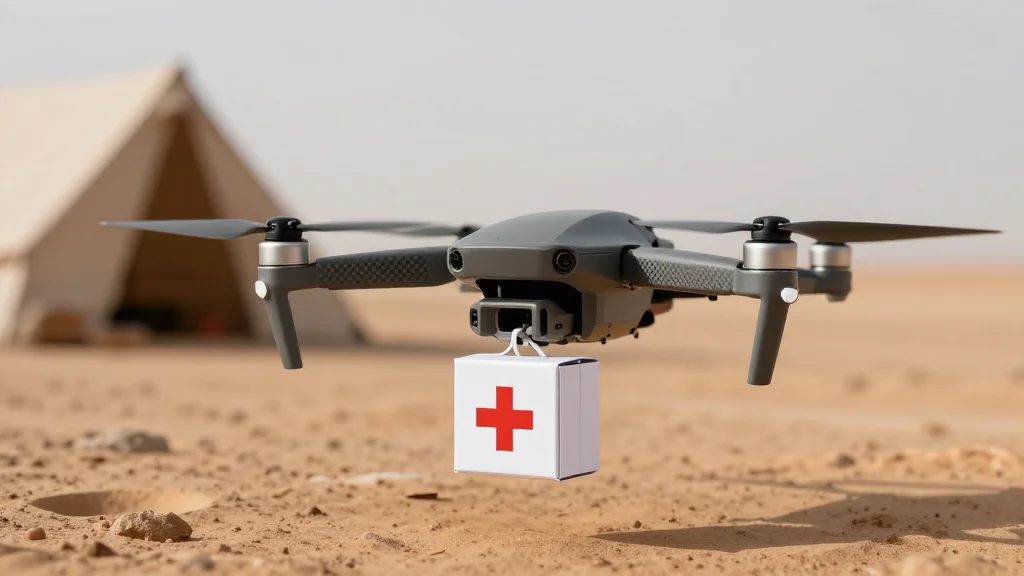
- •Vimana enables remote surgeries via autonomous drones.
- •System integrates AI for real-time diagnostics and guidance.
- •Designed for frontline medics in combat zones.
- •Reduces casualty evacuation time by up to 50%.
- •Potential civilian emergency response applications under evaluation.
Pulse Analysis
The Vimana platform represents a convergence of drone logistics, miniaturized surgical equipment, and artificial‑intelligence analytics. By mounting a compact operating kit on a UAV, SSI Mantra sidesteps the need for bulky field hospitals, delivering sterile instruments, imaging, and a live video link directly to a medic’s visor. The AI layer parses vital signs and imaging data, offering decision‑support cues that can compensate for the limited training of frontline personnel. This blend of autonomy and tele‑medicine mirrors trends in remote healthcare, but its battlefield focus demands ruggedized hardware and secure, low‑latency communications.
From a strategic perspective, Vimana addresses a chronic bottleneck in combat medicine: the lag between injury and surgical intervention. Traditional medevac can take hours, especially in austere terrains, increasing mortality from hemorrhage and shock. By bringing the operating room to the point of injury, the system promises to halve evacuation times, a claim supported by recent joint‑force exercises. Moreover, the reduced logistical footprint could lower the overall cost of field medical support, allowing armed forces to allocate resources elsewhere while still meeting NATO’s casualty‑care standards.
Beyond the military sphere, Vimana’s technology has clear civilian spill‑over potential. Disaster zones, remote mining sites, and offshore platforms all grapple with delayed access to surgical expertise. If regulatory hurdles are cleared, a civilian variant could integrate with emergency services, offering rapid, surgeon‑guided interventions where conventional transport is impractical. Competitors in the med‑tech space are watching closely, as the convergence of drones and AI may redefine the future of emergency care, prompting new partnerships and investment in autonomous medical logistics.
Flickstop
Comments
Want to join the conversation?